Art Supplies Vocabulary and Activities for Kids
Art Supplies for Kids: Vocabulary and Activities teaches the English words children need for drawing, painting, cutting, and crafts. Start with objects your child can hold, then introduce phrases such as “pass the glue” and “draw a circle.” Each word connects to an action. Multilingual children keep words they know while adding English labels and instructions. The activities suit ages 4–15, with extra support for school-age beginners.
Core Art Supply Words and Phrases
Our Art Supplies for Kids: Vocabulary and Activities guide starts with tools found at home or school. Teach a small set: pencil, crayon, marker, scissors, glue, and card. Add paint, clay, and other materials after your child recognises the first group unaided.
International learners may hear “marker” and “felt-tip pen,” or “eraser” and “rubber.” They may see color and colour, or modeling and modelling. Choose one spelling style for writing, but accept both forms as standard English. Recognition matters more than one regional variety.
Progress from nouns to short groups: “a red crayon,” “two paintbrushes,” “a drawing sheet,” and “a pair of scissors.” These groups prepare your child for full sentences without a long grammar drill.
Using the Words in Context
Art Supplies for Kids: Vocabulary and Activities works best when each noun has an action. Pair pencil with draw, scissors with cut, glue with stick, paintbrush with paint, and clay with roll or shape. Your child learns each tool and its purpose.
Model requests used during art: “Can I have the green marker?” “Please pass me the glue.” “I need another sheet.” Beginners can repeat the phrase. Later, pause before the last word for recall: “Please pass me the…”
Practise instructions: “Draw a square,” “Colour it yellow,” “Cut it out,” and “Glue it to the card.” Check comprehension through action, not translation. Cutting the correct shape shows that your child understood.
Try It: Studio Directions
Place four supplies on the table. Give one instruction, such as “Pick up the blue crayon.” After several turns, let your child direct you. Add two-step commands when ready: “Take the drawing tool and draw a star.”
Activities for Different Ages
School-age kids: Choose three or four large, familiar items. Say each word as your child touches or lifts the object. Play “Show me the crayon” and “Put the sketching tool on the page.” Keep practice physical and brief. Finish by asking your child to choose a tool and name its colour.
School-age kids: Use Art Supplies for Kids: Vocabulary and Activities in a mystery-bag game. Your child feels one hidden object, names it, and explains its use. Give drawing directions without a model: “Draw a house with a red roof. Add two blue windows.” Compare the picture with the instructions.
School-age kids: Set a design task requiring planning. Ask your child to make a poster, card, or model and justify the materials: “I will use card because a sheet is too thin.” Older learners can compare regional terms, write instructions for a younger child, or evaluate their tools.
Practice That Fits Family Routines
Art Supplies for Kids: Vocabulary and Activities needs no separate daily lesson. Before art, ask your child to collect three named items. During the task, use one request and one instruction. Finish with, “What did you use?” An answer such as “I used glue and markers on my picture” practises recall.
In multilingual families, a child may select the right object but name it in another language. Confirm the meaning and supply the English word: “Yes, scissors. Please pass the scissors.” The exchange continues while your child learns the new label. The first language is not an error.
Turn tidying into a final language round: “Put the lid on the marker,” “Rinse the paintbrush,” “Fold the apron,” and “Return the drawing tools to the box.” Next time, let your child direct the clean-up. Repetition strengthens recall.
Common Mistakes and Clear Corrections
Children may confuse draw, paint, and colour. Demonstrate each action: use graphite to draw a fish, colour it with a crayon, and paint the water with a brush. Pairing each verb with its tool shows the difference.
Some supply words need special grammar. Scissors usually takes a plural verb: “The scissors are on the table.” For one item, say “a pair of scissors.” Paper names the material, so count “a sheet of paper” or “two pieces of paper.” Paint works as a noun or verb: “This is blue paint” and “Paint the sky blue.”
Correct errors by restating the sentence without stopping each attempt. If your child says, “Give me a scissor,” answer, “Here is a pair of scissors.” Choose age-appropriate supplies, follow product labels, and supervise cutting, sharpening, spills, and materials that could be swallowed.
- Name five art supplies, then ask your child to point to each one.
- Compare graphite and crayon marks, correcting each word gently after your child answers.
- Open one picture book and identify four art tools shown in illustrations.
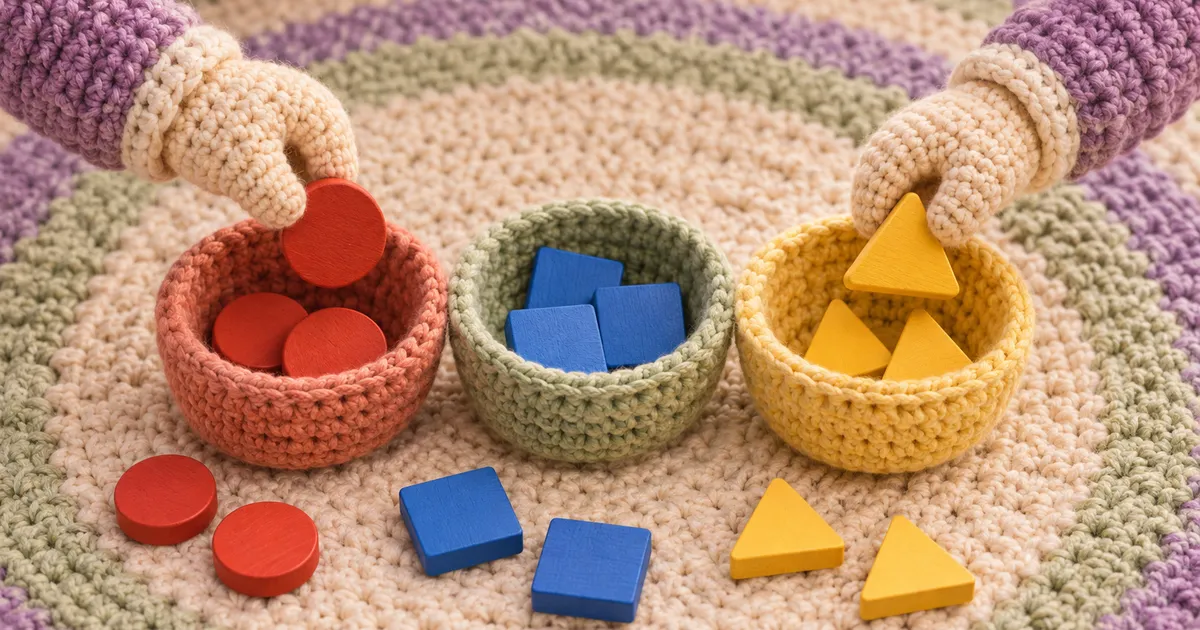
- Sort six items into drawing, painting, and cutting groups together.
- Repeat corrected sentences, emphasizing “This is a” before each supply name.
When a word has several meanings or pronunciations, Cambridge Dictionary is a useful check before turning it into child-friendly examples.
Frequently Asked Questions
These answers address key choices when families practise art supply vocabulary in English.
Which Art Supply Words Should Your Child Learn First?
Start with objects your child uses: pencil, paper, crayon, marker, eraser, scissors, and glue. Pair each word with one action: draw, colour, erase, cut, or stick. A small set supports conversation. Add paintbrush, paint, ruler, tape, and clay after the first words become familiar.
Should Your Child Learn British or American Art Vocabulary?
Use the variety your child meets at school or in lessons, but teach regional alternatives for recognition. Marker and felt-tip pen are both standard, as are eraser and rubber. Keep one writing style, such as color or colour. Accept either form in conversation so international learners understand both varieties.
Can Your Child Practise Without a Full Art Kit?
Yes. The Art Supplies for Kids: Vocabulary and Activities approach works with paper, a writing tool, an eraser, and crayons or markers at home. Your child can point, sort, request, and follow directions with only several objects. Pictures support recognition, while real tools practise actions such as draw, erase, fold, and colour.
How Long Should Art Vocabulary Practice Last?
For a young beginner, five to ten focused minutes fit inside a drawing activity. Practise several words, one request, and one instruction instead of testing the whole set. Older children can spend longer on design tasks or written directions. Stop while your child remains engaged, then reuse the language next session.
For the next three art sessions, follow this simple plan:
- Choose six supply words and ask your child to point to each object.
- Practise two requests and two action instructions during the activity.
- Finish with a one-minute review: ask your child to name three tools and explain one action.
A short one-to-one lesson can show what level and pace fit your child — book a trial English lesson.
Stay updated on our latest tips and resources by following us on Instagram LearnLink.