Nouns and Common Nouns for Kids: An Easy Guide
Children learn nouns early because nouns answer “What are we talking about?” In this guide to noun and common noun for kids, use a clear rule: a noun names a person, place, thing, animal, or idea; a common noun names a general kind. “Teacher,” “city,” “book,” “dog,” and “kindness” are nouns; “teacher,” “city,” “book,” and “dog” are common nouns because they name no single exact person, place, or thing.
What Is a Noun?
A noun names something. It can name a person: “mother,” “doctor,” or “friend.” It can name a place: “school,” “park,” or “kitchen.” It can name a thing: “pencil,” “phone,” or “sandwich.” It can name an animal: “cat,” “horse,” or “turtle.”
Older children can add ideas. “Love,” “fear,” “peace,” and “honesty” are nouns too, though no one can pick them up or put them in a bag. This helps children avoid a common grammar trap: thinking nouns only mean nouns must be touchable objects.
Across LearnLink lessons, our tutors help children build confident everyday English step by step.many games. The test will not catch every noun, but it gives children a clear first move.
What Is a Common Noun?
A common noun is a general word. It does not name one special person, place, animal, or thing. “Girl” is common. “Sofia” is a specific proper noun. “Country” is common. “Japan” is a specific place. “Toy” is common. “Lego” is a brand, so it starts with a capital letter. For parents, noun and common noun for kids works best when practice is short, visual, and repeated every week.
This is the heart of noun and common noun for kids: a noun names what we mean, and a common noun gives its general kind. “River” can mean any river. “Nile” names one river. “Teacher” can mean any teacher. “Mr. Chen” names one teacher.
Children who speak more than one language may already know this idea from another grammar system. English keeps the rule simple: common nouns use lowercase letters unless they begin a sentence.
Common Nouns and Proper Nouns
The easiest comparison asks, “General or exact?” General words are common nouns: “boy,” “city,” “month,” “game,” “language.” Exact labels are proper nouns: “Leo,” “Paris,” “January,” “Minecraft,” “English.”
Proper nouns start with capitals. Common nouns do not, unless they start a sentence. This rule helps children edit. “I saw a Dog” is wrong in normal writing because “dog” is common. “I saw Max” is right if Max names one dog.
Across online English tutors for children and online lessons, this rule links with real life: family members, school items, hobbies, food, and places. Children remember grammar when examples match their world.
Types of Common Nouns Children Learn First
Most children learn common nouns through groups. Sorting gives a large word set order. A child in pre-school age may sort picture nouns. A school-age learner may sort nouns inside a paragraph. A teenager can use the same idea while checking formal writing.
Five groups support noun and common noun for kids: people, places, things, animals, and ideas. People: “sister,” “driver,” “artist.” Places: “room,” “street,” “museum.” Things: “cup,” “bike,” “tablet.” Animals: “bird,” “rabbit,” “whale.” Ideas: “truth,” “hope,” “anger.”
Do not rush abstract nouns. Young children can use them in speech before they can explain them. “I feel fear” or “That was kindness” may sound less natural than “I am scared” or “That was kind,” but these examples show how nouns identify ideas.
How to Teach This Rule at Home
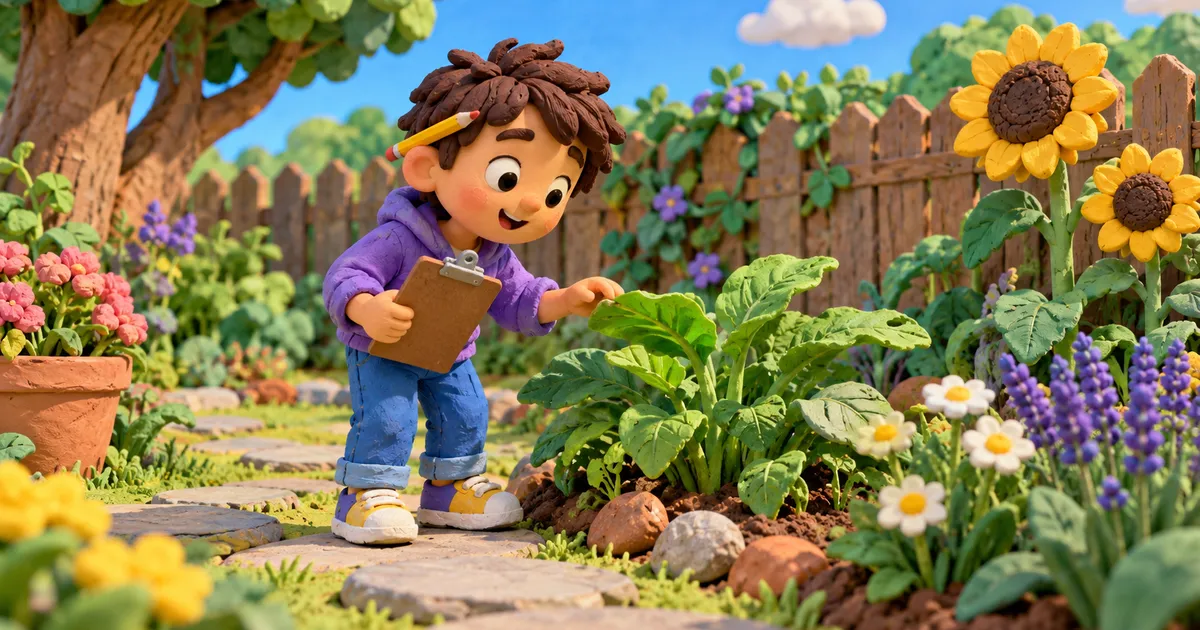
Start with your child’s room. Ask them to find five visible nouns: “chair,” “window,” “bag,” “shirt,” “book.” Then ask, “Common nouns, or special words for one exact person or thing?” Most will be common nouns because they show a kind.
Next, place proper nouns beside them. “City” becomes “Rome.” “Friend” becomes “Adam.” “Game” becomes “Chess.” Side-by-side practice beats a long definition. Children see the pattern; then the rule lands.
For noun and common noun for kids, short daily practice beats one long worksheet. Try two minutes at breakfast, in the car, or before reading: “Find three common nouns on this page,” or “Tell me one common noun and one proper noun from your day.”
Practice 1: Find the Common Nouns
Read the sentence and identify the common nouns: “The boy put a pencil, an apple, and a book in his bag.” Answer: boy, pencil, apple, book, bag. They are common nouns because they describe general people or things, not exact individuals or titles.
Common Mistakes with Nouns

One common mistake: capitalizing every important word. In English, importance does not decide capitals. Proper nouns decide capitals. “My Brother likes Football” should be “My brother likes football,” unless “Football” belongs inside a title.
Another mistake: leaving out the noun. In “The small is on the table,” something is missing after “small.” Small what? A small cup? A small toy? Children can fix sentence problems by asking, “Who or what is this sentence about?”
Some learners mix adjectives and nouns. “Happy” describes a feeling, but “happiness” names the idea. “Strong” describes a person or thing, but “strength” names the quality. This step helps older children build stronger writing.
Practice 2: Common or Proper?
Write “common” or “proper” after each word: teacher, river, Friday, toy, the child, city. Answers: teacher - common; river - common; Friday - proper; toy - common; the child - proper; city - common.
Examples by Age and Level
For school-age kids, keep examples concrete and spoken. Use toys, family words, animals, and food: “car,” “dad,” “bear,” “banana.” Ask your child to touch, point, draw, or act. At this age, grammar should feel like naming the world, not passing a test.
For school-age kids, add short sentences and sorting. Children can underline nouns in “The cat slept on the chair” and explain that “cat” and “chair” are common nouns. They can compare “girl” with “Mia,” or “country” with “Italy.”
For school-age kids, connect nouns with stronger writing. Common nouns can be too broad, so older learners should choose precise nouns. “Thing” can become “tool,” “gift,” “ticket,” or “message.” This makes writing clearer without making it longer.
Practice 3: Improve the Noun
Replace the weak noun “thing” with a clearer common noun: “She put the thing on the desk.” Possible answers: book, key, phone, drawing, snack, letter. Then write your own sentence with one of the new nouns.
Simple Review for Children
A noun names a person, place, thing, animal, or idea. A common noun names a general person, place, thing, animal, or idea. A proper noun names one exact person, place, thing, or title and starts with a capital letter.
Data current as of July 2026.
When reviewing noun and common noun for kids, use three checks. First, find the naming word. Second, ask whether it is general or exact. Third, check the capital letter. These steps help children with reading, spelling, and writing.
Here is a quick model: “My cousin lives in Berlin.” “Cousin” is a common noun because it describes a family role. “Berlin” is a proper noun because it names one city. The sentence needs a capital for Berlin, not for cousin.
Practice noun and common noun for kids in three steps. 1. Start with visible nouns in one room. 2. Sort each word into common or proper. 3. Check capitals in one sentence before moving to a paragraph. LearnLink teaches English to children aged 4-15 and has worked with 4,000+ families, so this short grammar routine fits beginners and confident school-age learners.
For the rule wording, Wikipedia — English Grammar is a useful reference while the practice examples here stay adapted for children.
Frequently Asked Questions
What Is the Easiest Definition of a Noun for a Child?
A noun is a naming word. It identifies a person, place, thing, animal, or idea. For young children, start with visible things: “table,” “shoe,” “apple,” “dog.” Then add people and places: “friend,” “teacher,” “home,” “park.” Once that feels clear, add idea nouns such as “love” and “truth.”
How Do I Explain a Common Noun Without Confusing My Child?
Say that a common noun is a general word. “Girl” can mean many girls, so it is common. “Ava” points to one person, so it is a proper noun. This contrast works for noun and common noun for kids because children hear the difference between a kind of person and one exact person.
Should Common Nouns Start with Capital Letters?
Common nouns start with lowercase letters. They use a capital only when they begin a sentence or appear in a title that follows title rules. “The dog is sleeping” is correct. “The Dog is sleeping” is not correct in a normal sentence, unless “Dog” serves as a specific proper noun.
Why Does My Child Know the Rule but Still Make Mistakes?
Knowing a rule and using it while writing are different skills. Children may focus on spelling, ideas, punctuation, and handwriting at once. Keep practice short and specific. Ask your child to check only nouns and capital letters in one sentence, then build up to a full paragraph later.
Start your child's English journey today — book a trial lesson with LearnLink.
Stay updated on our latest tips and resources by following us on Instagram LearnLink.