English Phrasal Verbs with “Get” for Kids
A phrasal verb joins a verb with a word such as up, on, or back to create a new meaning. English phrasal verbs with “get” for kids include get up, get on, and get back. Children hear them in conversations, films, games, and classroom instructions. Instead of memorising lists, connect each phrase with an action, situation, or routine. This guide covers core patterns, age-appropriate examples, and natural family practice.
📥 Get Phrasal Verbs Practice Pack
Everyday phrases for speaking, acting, and remembering
Leave your email — we'll send the PDF to your inbox.No spam — the PDF plus one short reminder. Unsubscribe anytime.
What Families Need to Know
The verb get can mean receive, become, arrive, or obtain. Another word may transform its meaning. In “We get up at seven,” get up means leave bed. In “Please get on the bus,” get on means enter public transport. Translating each word separately may confuse a child.
Teach English phrasal verbs with “get” for kids as complete chunks. Say the phrase, demonstrate it, and use a short sentence. A child can understand “Get up, sleepy bear!” while moving a toy from bed without knowing what a particle is. Explain the grammar after securing the meaning.
Useful Patterns and Everyday Meanings
Start with daily movement, family routines, and social situations. English phrasal verbs with “get” for kids become memorable when each phrase connects with a visible action or familiar event.
Context determines meaning. “Get out!” sounds sharp alone; “Let’s get out of the car” is neutral. Teach the speaker’s tone and full sentence, not just the two-word form. Contrast transport pairs: we get on and get off a bus, but get in and get out of a car.
Examples by Age
Young children learn through actions and repetition. Begin with get up, get in, get out, and get back. Use toys, pictures, or routines: “The bear gets up. Now the bear gets in the car.” Understanding and acting matter more than grammar labels.
Children can sort phrases by meaning and build exchanges. One asks, “When do we get off the train?” Another answers, “At the next station.” They can compare opposites such as get in/get out and get on/get off. Short contrasts prevent confusion.
School-age learners can study broader meanings and tense changes. Compare “I get along with my brother,” “We got along well last year,” and “They are getting along better now.” Discuss tone: get through a test suggests managing a challenge, while get through a book may mean finishing it.
How to Introduce the Phrases at Home
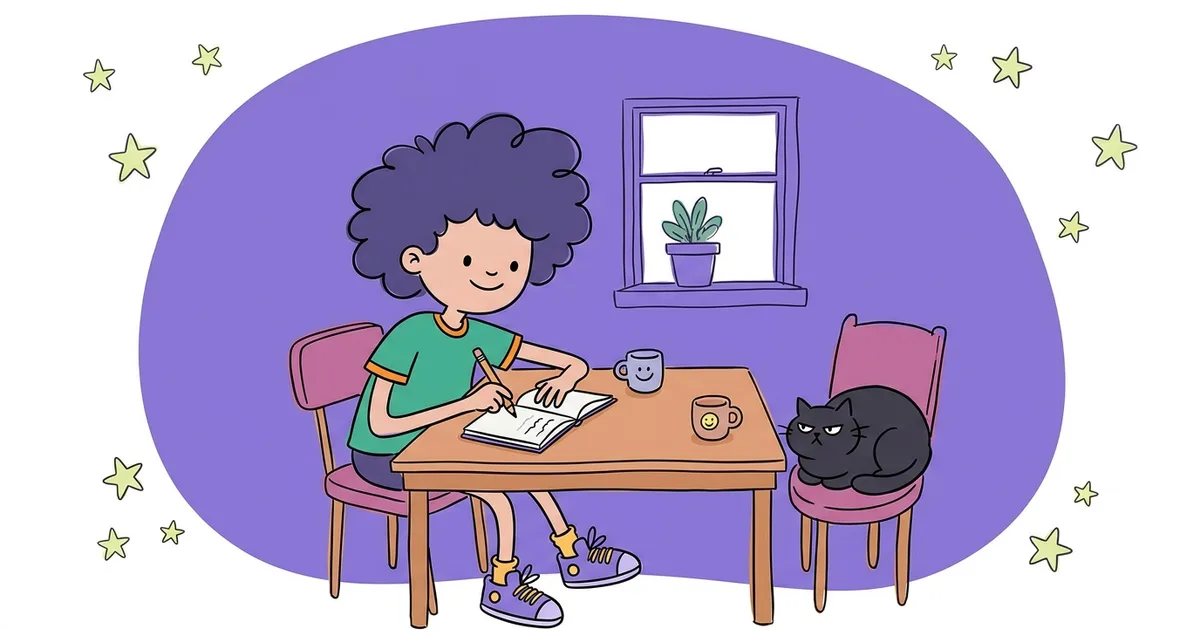
Choose phrases from the child’s day. At breakfast, ask, “What time did you get up?” Before travelling, say, “We need to get on the bus.” After returning, say, “We got back before dinner.” Start with literal examples; introduce figurative meanings after the everyday use.
Recycle English phrasal verbs with “get” for kids across multiple days. Put one phrase in a question, statement, and negative sentence: “Did you get up early?” “I got up at eight.” “We didn’t get up late.” In LearnLink lessons, our tutors model these forms in conversation and adapt tasks to each learner’s age and language background.
Practical Activities That Build Recall
Movement strengthens recall. Direct a toy: “Get in the box,” “Get out of the box,” and “Get back to the chair.” Then let the child lead. Older learners can match situation cards with phrases: recovering from a cold calls for get over; returning home calls for get back.
Action Detective
Read a sentence without the phrasal verb: “We need to ___ the train at Central Station.” Your child chooses get off, completes the sentence, and acts it out.
Change one detail: “We need to ___ the train at the airport.” The answer becomes get on. Ask what changed to check meaning instead of repetition.
Use family photos for open practice. Ask, “Where were we going?”, “How did we get around?”, or “What time did we get back?” Teenagers can record a voice message about a real or imagined day with target phrases. This keeps English phrasal verbs with “get” for kids connected to purposeful speech.
- Try five English phrasal verbs with “get” during your child’s morning routine.
- Use a favorite picture book to spot and circle three “get” phrases.
- Practice acting out “get up,” “get in,” and “get back” for two minutes.
- Review three phrase cards after breakfast, then repeat them before bedtime.
- Ask your child to invent one funny sentence for each phrase.
For the rule wording, Wikipedia — English Grammar is a useful reference while the practice examples here stay adapted for children.
Frequently Asked Questions
How Many Phrasal Verbs Should a Child Learn at One Time?
For a young beginner, two or three related phrases suit one session. Pair get in with get out. Older children can manage larger sets when meanings remain distinct. Review matters more than speed: reuse each phrase in different sentences across multiple days before adding uncommon forms.
Should Children Memorise Translations?
A quick translation can clarify meaning, especially in a multilingual family, but add an action, picture, or short English example. Some phrasal verbs lack a direct equivalent in another language. Learning “We get off the bus here” as a complete message provides a reliable model.
Why Does My Child Understand a Phrasal Verb but Not Use It?
Recognition often precedes active use. A child may understand get back before choosing it in conversation. Prompt the phrase: ask, “What time did we get back?” and offer “We got back at…” Avoid correcting every hesitation. A recast supplies the model without interrupting conversation.
What Is the Best Way to Review These Phrases?
Mix listening, speaking, movement, and short written examples. Revisit English phrasal verbs with “get” for kids during familiar routines, then change the context. A child might get on a toy bus before describing a real train journey. Regular, brief practice builds stronger recall than one long worksheet.
Start your child's English journey today — book a trial lesson with LearnLink.
Stay updated on our latest tips and resources by following us on Instagram LearnLink.