Phonics vs. Whole Language for Kids
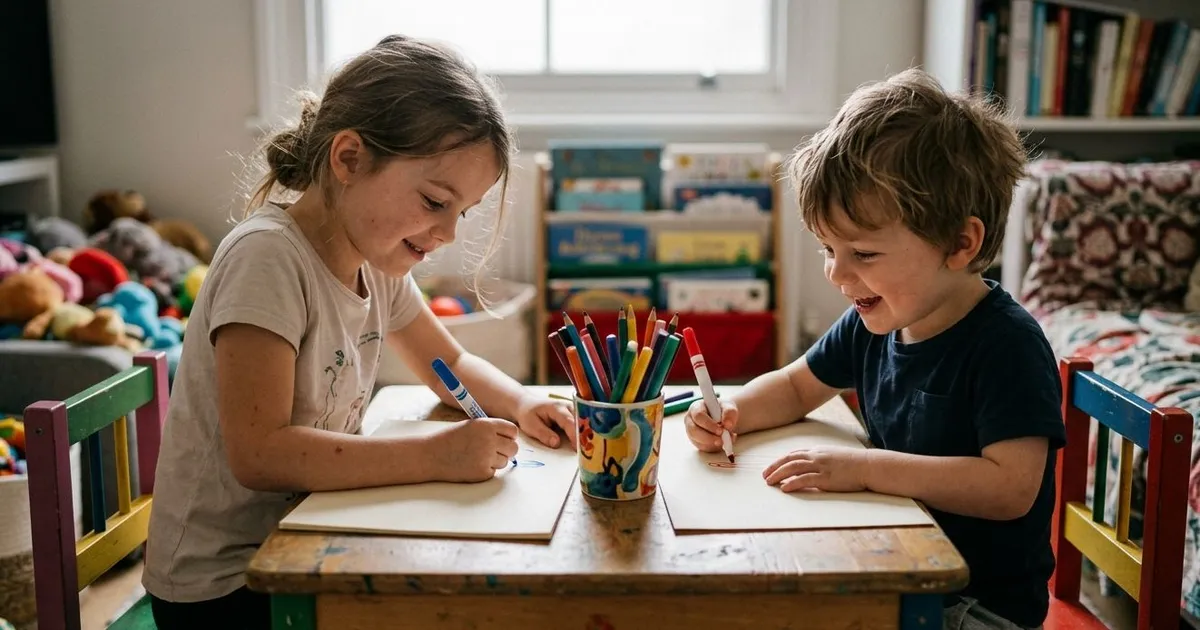
Phonics connects written letters with spoken sounds; whole language develops reading through books, talk, and context. For most beginners, phonics vs. whole language for kids is not an either-or choice: sequenced phonics builds word reading, while stories develop meaning, knowledge, and enjoyment. Children need accurate decoding and comprehension. The balance shifts with age, experience, and known writing systems. This guide shows how each approach works, where it fails, and how families can combine both without recreating school at home.
📥 Sound, Meaning, and Context Reading Practice
A balanced home routine for building accurate, confident readers
Leave your email — we'll send the PDF to your inbox.No spam — the PDF plus one short reminder. Unsubscribe anytime.
What Families Need to Know
Phonics reveals the alphabetic code. Children learn that letters or letter groups represent sounds: m in map, sh in ship, and igh in night. They blend sounds to read words and separate them to spell.
Whole language starts with complete texts and meaningful communication. Children hear stories, predict events, discuss characters, notice repeated phrases, and write with purpose. In phonics vs. whole language for kids, whole language supports vocabulary and comprehension, but context cannot reliably identify every unfamiliar word.
A sound reading plan has two goals: teach how words work and give children reasons to read. Phonics without stories feels narrow; stories without direct word-reading instruction can encourage guessing.
For many children ages 5 to 7, a short daily routine works better than an occasional long lesson. Spend 10 to 15 minutes reviewing previously taught sound-spelling patterns, reading a few decodable words, and applying the same patterns in a sentence or brief book. When blending, have the child stretch continuous sounds—“mmm-aaa-p”—then say “map” without pauses.
A common mistake is prompting with “Look at the picture” or “What word would make sense?” before the child examines every letter. Pictures can confirm meaning after decoding, but they should not replace it. For an irregular word such as said, point out the expected sounds and mark the unusual part rather than asking the child to memorize its overall shape. After reading, ask one or two questions about the text so accurate word reading and comprehension develop together.
How the Two Approaches Differ

The difference is how children tackle a new word. Phonics directs attention through the letters and their sounds. Whole language highlights the sentence, picture, topic, and likely meaning. Those clues can confirm a decoded word but should not replace attention to print.
When judging phonics vs. whole language for kids, observe how the child handles a difficult word. Prompt, “Check each letter and say the sounds.” After blending, ask, “Does that word make sense here?” This sequence connects accurate decoding with meaning.
A Balanced Reading Plan
Start with a short phonics focus, then find the same pattern in connected reading. For sh, children can build shop, fish, and brush, read a short text containing those words, then hear an adult read a richer story aloud.
A balanced session need not split time equally. In phonics vs. whole language for kids, beginners may need more practice with sounds and blending. Fluent readers can spend more time on vocabulary, inference, structure, and the writer’s choices.
Across LearnLink lessons, tutors can place word work inside conversation. A child might decode train, compare it with rain, then explain a journey. The word pattern receives attention while the child uses English to communicate.
For children aged five to seven, try a 20-minute sequence: five minutes of reviewing sound-spelling cards, seven minutes of blending and reading decodable sentences, and eight minutes of discussing a book or listening to a read-aloud. Ask the child to point under each grapheme while blending, then reread the sentence smoothly. This keeps accuracy connected to meaning rather than treating decoding as an isolated drill.
A common mistake is prompting from the picture before the child examines the word. If a child reads horse for pony, first cover the illustration and guide attention from left to right: “What sound does p represent? Blend the rest.” After the correct word is decoded, uncover the picture and ask whether the sentence makes sense. Record a difficulty, such as vowel teams, and revisit it in three words next session.
Examples by Age
Age offers a starting point; reading behaviour matters more. A multilingual child may understand complex stories in one language while learning how English spelling represents sound.
- Ages 4–5: Play with rhyme, syllables, and first sounds. Link a few letters to sounds, blend simple words orally, and share picture books without testing every page.
- Ages 6–8: Teach sound-spelling patterns in a clear order. Read short decodable texts for accuracy, then discuss richer books that an adult reads aloud.
- school-age kids: Work on vowel patterns, longer words, prefixes, suffixes, and roots. Connect decoding with subject vocabulary from science, stories, sport, or history.
- school-age kids: Check for specific gaps rather than returning to babyish material. Practise troublesome patterns with age-respectful texts, then apply them in genuine reading and writing.
The comparison in phonics vs. whole language for kids also depends on the child’s other languages. English sound-spelling links may differ from Spanish, French, Hebrew, German, or another home language. Explain each contrast directly without reducing use of the home language.
Practical Activities at Home
Keep practice brief. Build words with letter cards, sort them by spelling pattern, hunt for a target pattern on one page, or change one sound at a time: map, mat, sat, sit. Stop before fatigue reduces accuracy.
Next, connect patterns to meaning. Ask the child to use one practised word in a sentence, explain a picture, or retell part of a story. Phonics vs. whole language for kids then becomes a partnership, not a contest.
Try a Ten-minute Word-to-story Routine
Choose one spelling pattern and make four words. Have your child blend each word, then find one in a short text. Read its sentence together and discuss the meaning. Finish with two words in a new spoken sentence or tiny story.
- Try a five-minute sound hunt with children ages four to six.
- Practice blending three-letter words using ten picture cards after breakfast.
- Use one predictable book, then compare its clues with phonics decoding.
- Ask your child to sound out five unfamiliar words before offering help.
- Explore phonics vs. whole language for kids using one familiar storybook.
For the child-development context behind this advice, American Academy of Pediatrics gives a broader reference point for parents.
Frequently Asked Questions
Should a Child Learn Phonics Before Hearing Stories?
No. Children can enjoy stories, songs, and conversation before reading. These experiences build vocabulary, knowledge, and text awareness. Teach phonics alongside them: an adult can read a rich book aloud while the child practises simpler sound-spelling patterns in a separate short activity.
Is Whole Language Harmful for Beginning Readers?
Meaningful books and discussion are essential. Problems arise when children identify unknown words chiefly from pictures, context, or the first letter. In phonics vs. whole language for kids, direct decoding instruction provides the foundation; discussion builds understanding and enjoyment.
Will English Phonics Confuse a Bilingual Child?
No. Learning another sound system does not erase the first. The same letter may represent different sounds across languages, but direct comparison helps. Say, “This letter works this way in English and that way in Spanish,” for example. Keep using and reading in the family’s home languages.
What Should We Do If an Older Child Guesses Words?
Check the decoding pattern, not the child’s effort. Ask the child to read an unfamiliar word without a picture and note where decoding fails. Practise that sound, syllable type, or word part with age-appropriate material. If problems persist across reading and spelling, consult the school and request a fuller reading assessment.
If your child needs steady speaking practice, start small — choose a trial lesson.
Stay updated on our latest tips and resources by following us on Instagram LearnLink.