Phrasal Verbs with Put for Kids

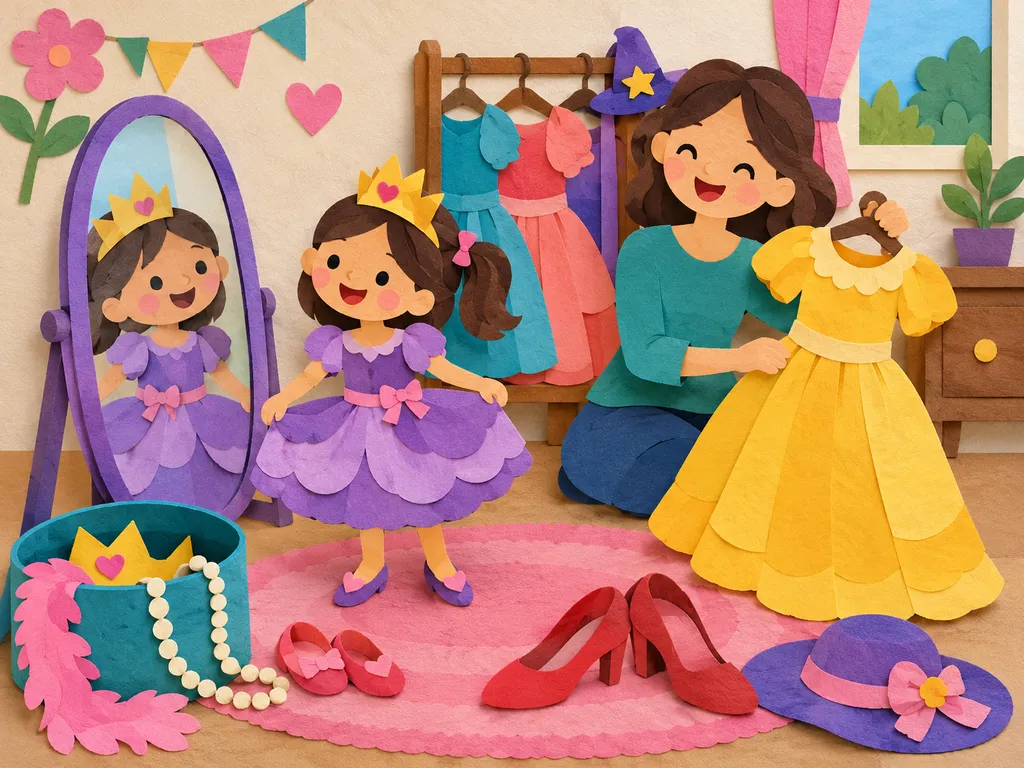
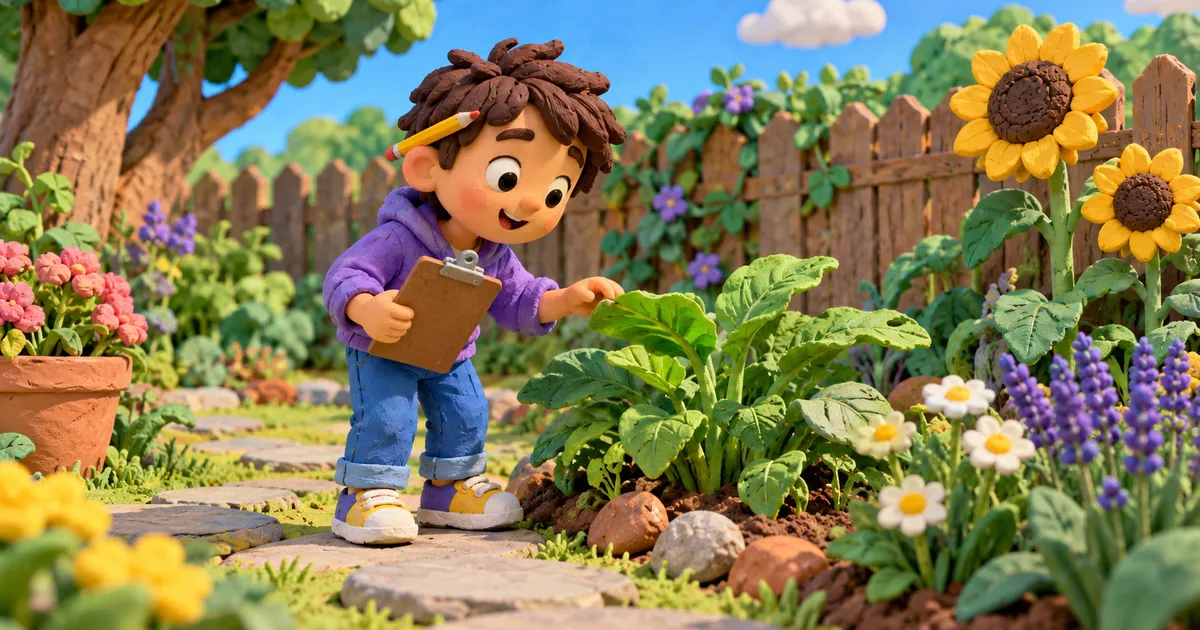
Phrasal Verbs with Put for Kids: A Practical Guide shows how put combines with particles such as on, away, or off. Each combination gains a distinct meaning: put off means “delay,” not “place away.” Children learn phrases through situations, word order, and speech. Younger children can put on a coat or put away toys; older learners can put off a task or put up with noise.
What Children Need to Understand
A phrasal verb combines a verb with one or more particles. Each particle changes the verb’s meaning. In put the book down, the book moves onto a surface. In put the meeting off, the meeting gets delayed. Children should learn complete expressions instead of translating separate parts.
Phrasal Verbs with Put for Kids: A Practical Guide begins with visible actions: “Put your hat on” and “Put the blocks away.” Once familiar with these phrases, learners can put aside time, put forward an idea, or put up with noise.
How the Grammar Works
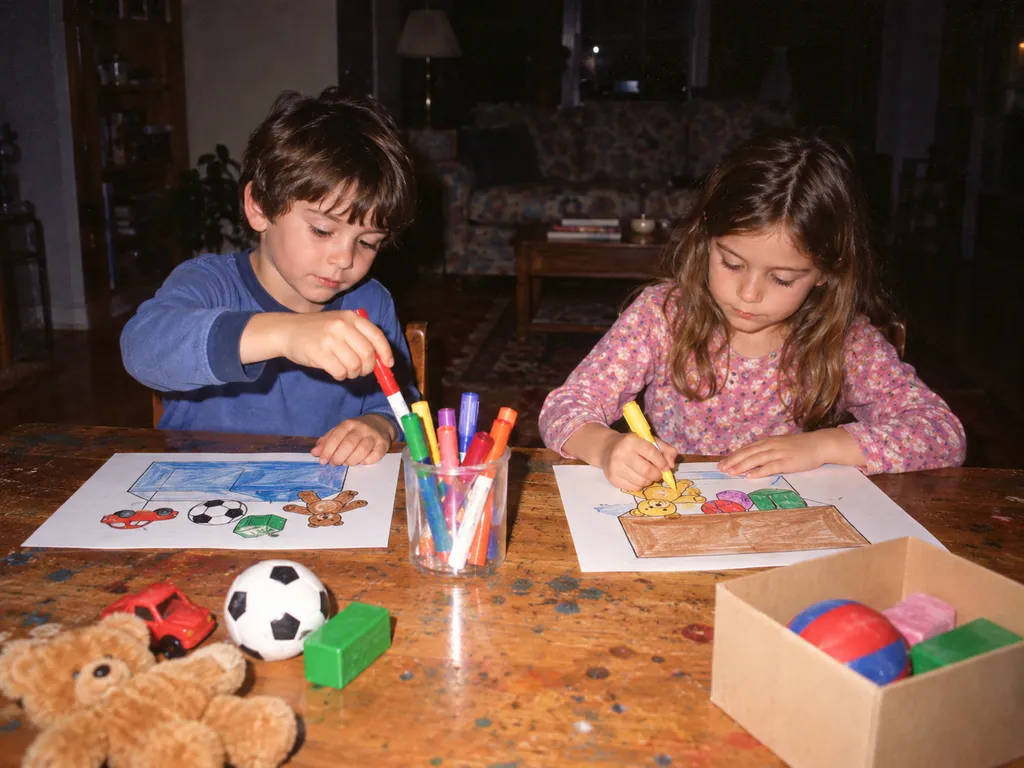
Most put phrasal verbs follow subject + put + object + particle: “We put the games away.” Many also allow “We put away the games.” Phrasal Verbs with Put for Kids: A Practical Guide teaches both patterns, helping children recognize and produce either form.
Separable verbs place pronouns between verb and particle: “Put it on,” “Put them away,” and “Put it back.” “Put on it” is incorrect when it is the object. Inseparable verbs remain together: “put up with the noise” or “put up with it.”
Though irregular, put remains unchanged in the present, past, and past participle: “I put it away every day,” “I put it away yesterday,” and “I have put it away.” Questions and negatives need a helper: “Did you put it back?” and “We did not put the trip off.”
Choosing the Right Meaning from Context
One phrasal verb can carry several meanings. “Put on your jumper” concerns clothing; “Put on music” means start playing it; “The class put on a play” means performed it. Nouns and situations reveal intended meanings, so children need complete sentences rather than isolated phrases.
Phrasal Verbs with Put for Kids: A Practical Guide treats context as part of each rule. Ask three questions: What follows the verb? What happens in the scene? Is the phrase literal? “Put out the fire” involves a flame. In “The interruption put the child off reading,” put off means discouraged, not delayed.
Match examples with your child’s age and language level. Younger learners can act out put on, put down, and put away using safe objects. Older learners can compare “put off the match” with “the smell put me off the food.” During LearnLink lessons, tutors adjust settings while preserving each grammar pattern.
Common Mistakes and Clear Fixes
Word-for-word translation traps multilingual learners because particles lack one fixed meaning. Connect the full phrase to a situation: “We put off the visit until Friday.” A sketch, gesture, or visible calendar change reinforces meaning.
Children may place a pronoun after the particle: “Put away it.” Show this correction: “Put the toy away” becomes “Put it away.” Practise paired noun and pronoun versions until middle placement sounds natural and children use it without prompting.
Children may invent putted. Use a three-part rhythm: “put today, put yesterday, have put.” Introduce meanings gradually. Phrasal Verbs with Put for Kids: A Practical Guide presents one useful meaning per expression first, adding others after learners master the original pattern.
Practice Activities
Move from recognition through sentence building, then personal use. Phrasal Verbs with Put for Kids: A Practical Guide uses the three stages below. Reading each answer aloud strengthens object position, pronoun placement, pronunciation, and recall.
Exercise 1: Choose the Particle
Complete each sentence with on, away, down, back, off, or out.
1. Put your scarf ___ before you leave.
2. Please put the tablet ___ on the desk.
3. We had to put the game ___ until Saturday.
4. Put the crayons ___ after drawing.
5. An adult put the small fire ___.
6. Put the glass ___ gently.
Answers: 1. on; 2. back; 3. off; 4. away; 5. out; 6. down.
Next, replace each noun with its bracketed pronoun. Decide whether the verb separates before moving the object. Ask your child to say both noun and pronoun versions aloud.
Exercise 2: Move the Pronoun
Rewrite each sentence.
1. Put on the jacket. (it)
2. Put away the cards. (them)
3. Put back the key. (it)
4. Put up the posters. (them)
5. Put down the bag. (it)
Answers: Put it on. Put them away. Put it back. Put them up. Put it down.
The final task tests contextual meaning. Before choosing an answer, ask your child to identify each sentence’s clue. For example, “separate pieces” points to assembling, while “until the rain stops” signals a delay.
Exercise 3: Match Meaning to Context
Choose the correct phrase: put together, put aside, put up with, put on, or put off.
1. Build the model from its separate pieces.
2. Save part of your pocket money for later.
3. Delay the walk until the rain stops.
4. Accept the noise for a few more minutes.
5. Start music for the dance.
Answers: 1. put together; 2. put aside; 3. put off; 4. put up with; 5. put on.
For the rule wording, Wikipedia — English Grammar is a useful reference while the practice examples here stay adapted for children.
Frequently Asked Questions
How Many Phrasal Verbs with Put Should a Child Learn at Once?
Start with three or four forms: put on, put away, put down, and put back. Practise commands, questions, and short stories across several days. Phrasal Verbs with Put for Kids: A Practical Guide adds abstract forms after children use the first group independently.
Why Does Put on Have More than One Meaning?
Put on can refer to clothing, music, a device, or a performance. Objects identify meanings: we put on shoes, a song, or a play. Teach one familiar use, then compare it with a second use in a complete sentence.
Where Should a Pronoun Go in a Put Phrasal Verb?
With separable verbs, place pronouns between put and each particle: “Put it on” and “Put them away.” Keep inseparable expressions together: “We put up with it.” Check the full verb when unsure.
What Should We Do If Our Child Translates Each Word Separately?
Connect each complete phrase with an action. Act out “put the toy away,” move a calendar event for “put the visit off,” or assemble blocks for “put them together.” Then ask your child to repeat the complete phrase and explain its meaning.
How Can We Practise Phrasal Verbs Without a Worksheet?
Phrasal Verbs with Put for Kids: A Practical Guide also fits home routines: put on a coat, put away a game, or put a book back. Older children can explain why an event was put off or name something they must put up with. Correct one point at a time and reuse each expression.
If your child needs steady speaking practice, start small — choose a trial lesson.
Stay updated on our latest tips and resources by following us on Instagram LearnLink.