Pronunciation of Bayerische Motoren Werke
Bayerische Motoren Werke is pronounced roughly like “BY-er-ish-uh moh-TOH-ren VER-kuh,” and children know it as BMW's full German name. This guide teaches the pronunciation of bayerische motoren werke for kids through pronunciation chunks, a short word list, home practice, and age-based tips. The goal is not a native German accent on day one. The goal: help your child hear each part, say it carefully, and link a long foreign name with real language skills: spoken patterns, syllables, memory, and confidence.
Why Learn This Long Name?
Long names strengthen English lessons because they slow children down. A child cannot rush through “Bayerische Motoren Werke” like “car” or “bike.” They must listen, split, repeat, and notice how the mouth moves.
For children aged 5 to 9, the phrase becomes a speaking game. For older children, it opens talk about brand names, country names, German words, and how English speakers adapt borrowed words. The pronunciation of bayerische motoren werke for kids works best as a short speaking puzzle, not a test.
It also gives parents a calm learning habit to model: do not laugh at hard words, and do not quit because a word looks strange. Break it into smaller parts, say one part at a time, and try again.
The Simple Pronunciation
A parent-friendly version is: “BY-er-ish-uh moh-TOH-ren VER-kuh.” It is not exact German phonetics, but it gives English-speaking children a workable start. Say it slowly first, then at normal speed.
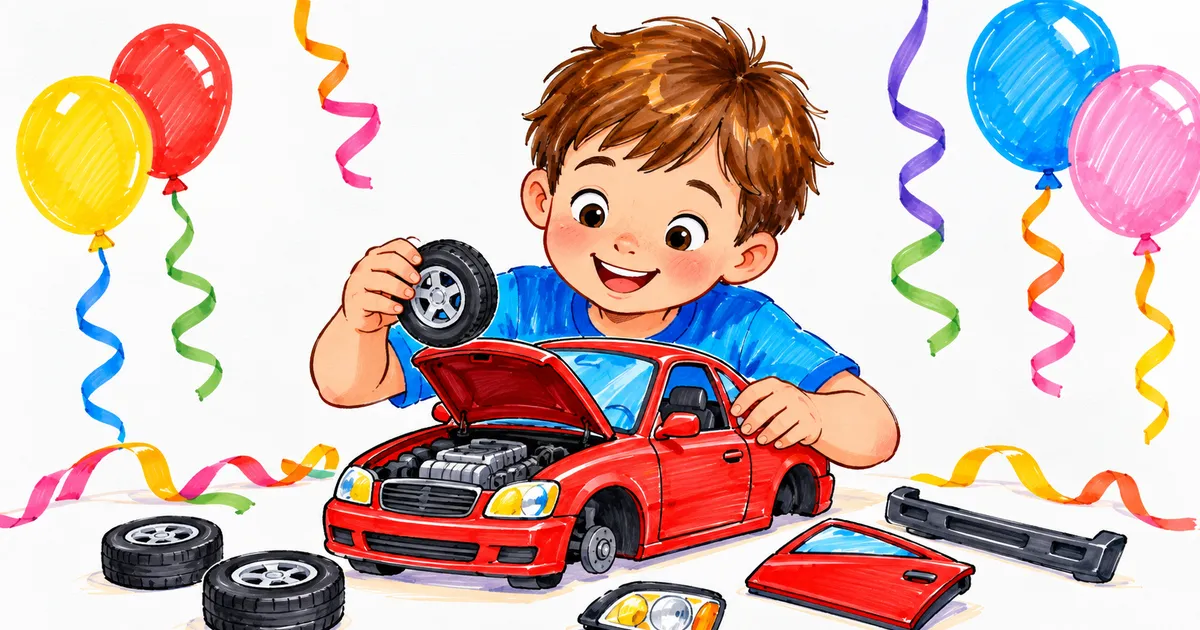
The phrase has three parts. “Bayerische” means Bavarian. “Motoren” means motors or engines. “Werke” means works or factories. Together, the name points to Bavarian Motor Works, which explains the short form BMW. For parents, pronunciation of bayerische motoren werke for kids works best when practice is short, visual, and repeated every week.
Children often need more help with “Bayerische” and “Werke.” “Motoren” feels closer to English because it looks like “motor.” Still, the pronunciation differs, so keep the rhythm steady: moh-TOH-ren.
A Small Word List Around the Phrase
A word list places one hard name inside easier words. Use the list across two or three short sessions. Younger children can say the words and point to pictures. Older children can sort them by language, rhythm, or meaning.
Here, the pronunciation of bayerische motoren werke for kids becomes more than one phrase. It becomes a vocabulary set about names, places, vehicles, and pronunciation patterns. Useful connected words include brand, initials, factory, engine, German, Bavaria, motor, company, car, and logo.
How to Teach It by Age
For ages 4 to 6, keep practice physical. Have your child tap the beats: BY, er, ish, uh. Then tap the table for moh, TOH, ren. Finish with two soft taps for VER, kuh. Children at this age learn pronunciation through rhythm before they can explain spelling.
For ages 7 to 10, add meaning. Show that BMW is shorter than Bayerische Motoren Werke. Ask, “Which is easier to remember? Which tells us more?” This age group can notice that a word may look one way and be spoken another way.
For ages 11 to 15, compare spelling systems. The German W in “Werke” sits closer to an English V sound. This opens a wider lesson: English borrows many names, and skilled speakers adjust with respect instead of forcing every word into English spelling rules.
Three-Step Practice at Home
First, listen and echo. The adult says one part: “Bayerische.” The child repeats. Then the adult says “Motoren.” The child repeats. End with “Werke.” Do not join the whole phrase until each part feels steady.
Second, use slow-to-fast practice. Say “BY-er-ish-uh” with a pause between each beat. Then repeat it with shorter pauses. Then say the whole word in one smooth line. This keeps the pronunciation of bayerische motoren werke for kids focused without turning it into a spelling drill.
Third, use a real sentence. Children remember phrases in sentences more than in isolation. Try: “BMW comes from Bayerische Motoren Werke.” Then try: “Bayerische Motoren Werke is a German company name.” Keep the sentence short so the hard phrase stays central.
Practice: Tap, Say, Switch
Have your child tap each syllable as you say the phrase: BY-er-ish-uh, moh-TOH-ren, VER-kuh. Then switch roles. Your child becomes the leader and you copy. If one part gets messy, return to that word only, say it three times slowly, and place it back into the full phrase.
Common Mistakes and Gentle Fixes
One mistake is saying the W in “Werke” like the English W in “wet.” A child may say “WER-kuh.” Model “VER-kuh” instead. You can say, “In this German word, the letter W has a V value.” That is enough for most children.
Another mistake is making the phrase too flat. “Motoren” needs a stronger middle beat: moh-TOH-ren. Children often enjoy raising one hand on the stressed syllable. The movement gives the ear a signal.
A third mistake is over-correcting. If your child is close, praise the accurate part and fix one detail only. Across LearnLink lessons, our tutors use short correction windows because children speak more freely when the target is small and specific.
Turning One Phrase into Better English Skills
English may look narrow, but it builds broad language habits. Children learn that words can be names, names can come from other languages, and spelling does not always show the full pronunciation story. That lesson helps with English words such as “choir,” “colonel,” “machine,” and “yacht.”
The pronunciation of bayerische motoren werke for kids can support vocabulary growth. A child can learn “brand,” “initials,” “factory,” “engine,” and “German” in the same lesson. These words matter beyond cars and company names.
For bilingual or multilingual children, this task can feel familiar. They may already know that a name changes a little across languages. Keep the tone respectful: we are learning how one phrase is often said, not judging one accent above another.
- Practice the phrase slowly three times, then say it once at normal speed.
- Use a mirror to watch mouth shape during each tricky part.
- Record your child reading the phrase, then replay one clear improvement.
- Connect the phrase to a car picture for a five-minute vocabulary talk.
- Try one new brand name weekly to build confident pronunciation habits.
For a second reference on this topic, Wikipedia — English Phonology is most useful when it supports the specific rule, word, or resource discussed here.
Frequently Asked Questions
How Should a Child Pronounce Bayerische Motoren Werke?
A child-friendly pronunciation is “BY-er-ish-uh moh-TOH-ren VER-kuh.” The middle beat in “Motoren” should be stronger, and the W in “Werke” should sound like an English V. For the pronunciation of bayerische motoren werke for kids, start with three separate words before saying the full phrase.
Does My Child Need to Learn the Exact German Accent?
No. A child does not need a native German accent to gain value from this phrase. The goal is careful listening, steady syllables, and respect for a word from another language. Older children can refine the pronunciation later if they study German or need formal pronunciation.
Why Is BMW Easier than the Full Name?
BMW is an initialism, so English speakers say three letter names: bee-em-double-you. The full name, Bayerische Motoren Werke, has several syllables and German speech patterns. Both forms have value: BMW fits daily speech, while the full name teaches children where the short form comes from.
How Long Should We Practise This at Home?
Five minutes is enough for most children. Say each word, clap the syllables, use one sentence, and stop while your child still wants to try again. Short, repeated practice works more effectively than one long session, especially for younger learners building confidence with unfamiliar words.
Start your child's English journey today — book a trial lesson with LearnLink.
Stay updated on our latest tips and resources by following us on Instagram LearnLink.