Reading Articles In English For Kids
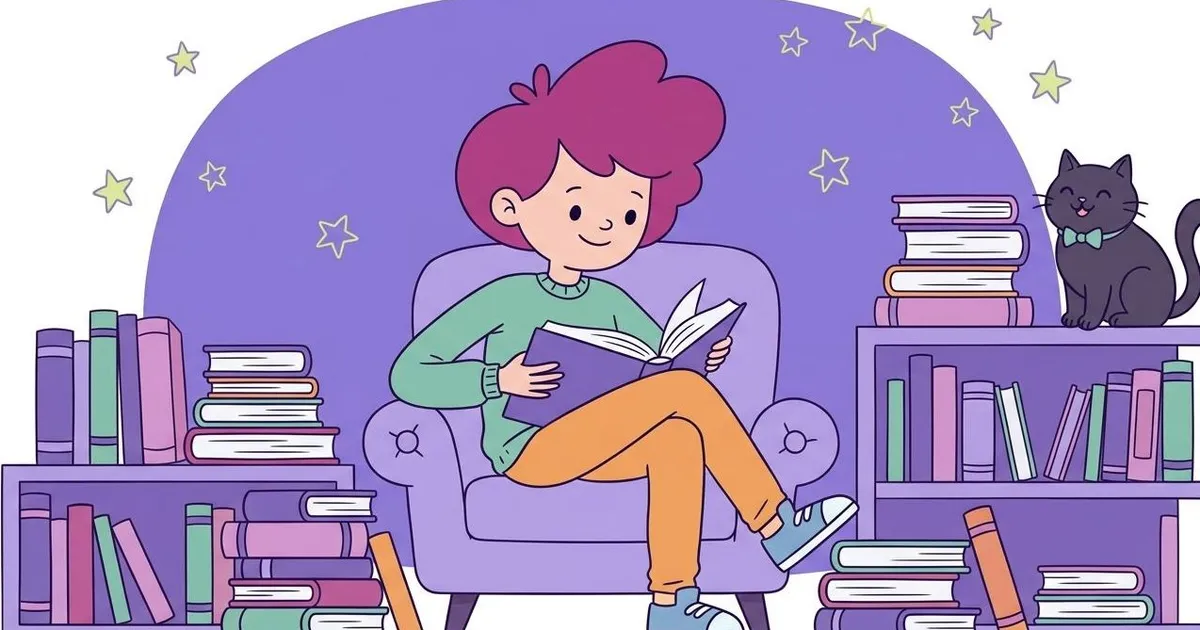
Reading articles in english for kids means using short, level-fit texts to build fluency, vocabulary, and confidence without turning each page into a test. Families need a sharper question than “Is this article easy?” Ask: “Can my child understand enough to keep reading and learn one thing?” A 6-year-old may need a 90-word text with pictures and repeated words. A 12-year-old may need a 500-word article with a point of view, new terms, and brief discussion. The aim is steady contact with real English, not perfect translation.
📥 Article Reading Vocabulary Pack
Useful words and phrases for reading short English articles with children ages 4–15
Leave your email — we'll send the PDF to your inbox.No spam — the PDF plus one short reminder. Unsubscribe anytime.
What Families Need to Know
Reading practice should sit between comfort and stretch. If your child knows almost every word, the article builds speed and confidence. If each line has five unknown words, the child starts guessing, translating, or quitting. Use this rule: your child should understand about four out of five sentences without adult help.
For first-time online learners, start with known topics: animals, food, space, sport, school, weather, music, or everyday science. Familiar ideas leave more attention for English. That is why reading articles in english for kids works when the topic feels close to the child’s life.
How to Choose the Right Article
Check length, layout, and task first. Young readers need direct headings, short paragraphs, and pictures that support meaning. Older children can handle longer texts, but still need a reason to read: find three facts, compare two views, or explain the main idea in one sentence.
Do not judge only by age labels. A bilingual 7-year-old may read faster than a 10-year-old who has just started English. Match the article to reading stamina, not birthday age. The best reading articles in english for kids give success first and challenge second.
How to Use This at Home
Keep the routine short. Ten focused minutes three or four times a week usually beats one long Sunday session. Ask your child to look at the title and pictures, then predict what the article will say. Prediction prepares the mind for meaning.
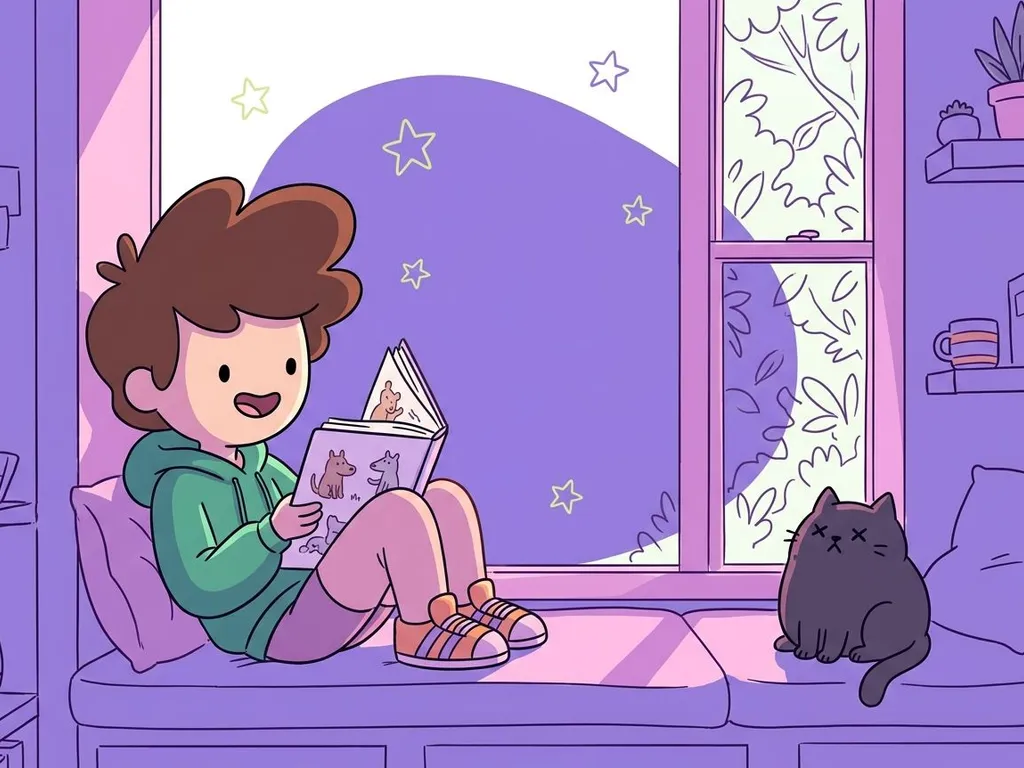
During reading, avoid stopping at every unknown word. Mark two or three useful words, read on, and return later. If the child loses the main idea, pause and ask: “Who or what is this part about?” Across LearnLink lessons, our tutors use this check to connect reading with real understanding.
After reading, choose one output: say, draw, sort, or write. A 5-year-old can draw the animal. An 8-year-old can sort facts into “true” and “not true.” A teen can write two sentences: one fact and one opinion.
Practice: Find the Main Idea
Read a short article with your child. Ask: “What is this article mostly about?” Then choose one answer: a person, a place, an animal, a problem, or a new fact. If the child names one detail, help them zoom out: “Yes, that is in the article. What is the whole article about?”
Age-Appropriate Examples
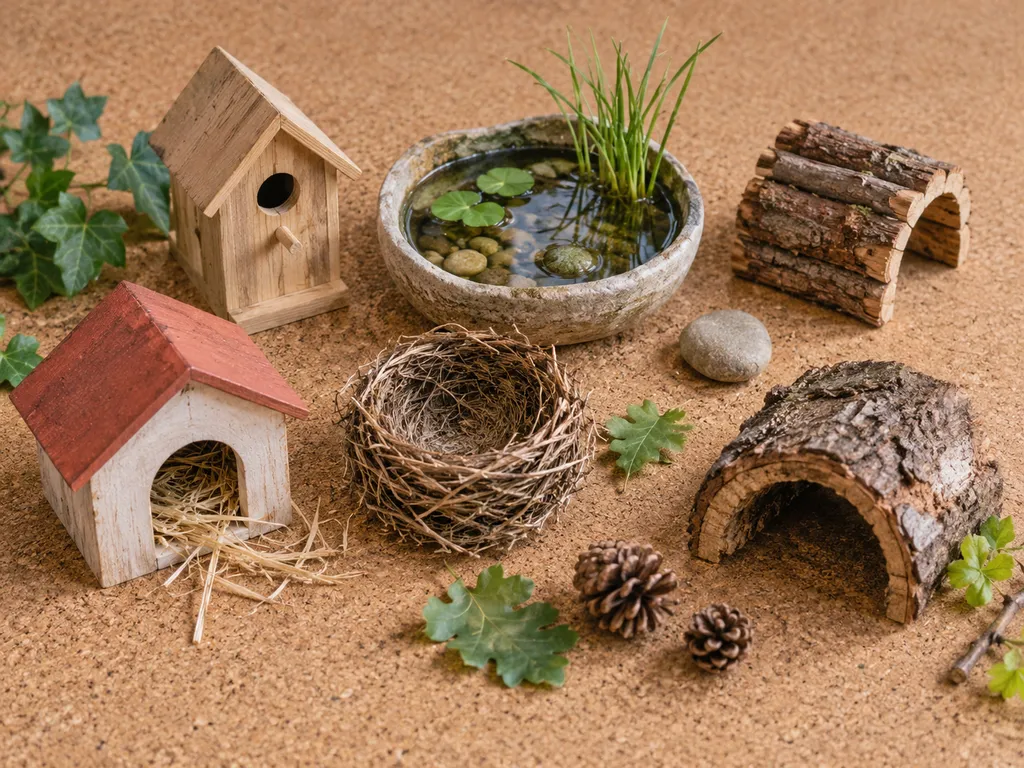
For school-age kids, use articles that sound close to a picture book: “A frog lives near water. It can jump. It eats small insects.” The child can act, point, repeat, and match words to pictures. At this age, reading still connects with sound and movement.
For school-age kids, short factual articles work well: “Why do leaves change color?” or “How do bees help flowers?” Children enjoy knowing something they can tell another person. Reading articles in english for kids should give them language they can use later in speech.
For school-age kids, choose articles with structure: problem and solution, cause and effect, or two sides of an argument. A 13-year-old can read about screen time, school lunches, or climate action, then explain whether they agree. The article links reading to speaking and writing.
Vocabulary and Grammar Through Reading
Use the article to notice language in context. Instead of teaching ten grammar rules before reading, pick one pattern that appears more than once. In an animal article, notice “It lives,” “It eats,” and “It sleeps.” In a science article, notice “because,” “so,” and “when.”
Build a small word set after reading. Choose five words: two words the child can use today, two new words worth learning, and one word to recognize without pressure. This keeps vocabulary study light. Reading articles in english for kids should not become a long spelling test.
Practice: Word Detective
Choose five words from the article. Ask your child to put each word into one group: person, place, action, thing, or describing word. Then ask them to make one new sentence with two words. Keep the sentence short and correct.
Common Mistakes to Avoid
The first mistake is choosing articles that are too hard because they look serious. Hard texts do not make a child advanced; they often train reading without understanding. If your child cannot retell the main idea in their own words, step down in length or vocabulary.
The second mistake is translating every sentence. Translation can help in multilingual homes, but it should not replace reading in English. Try this order: read, guess from context, check one or two key words, then talk about meaning.
The third mistake is asking only test-style questions. “What color was the bird?” has a place, but it is not enough. Add open questions: “Why did that happen?” “What surprised you?” “What would you do?” These questions make reading social and thoughtful.
Building a Weekly Reading Routine
A steady routine needs variety. On Monday, read a short fact article. On Wednesday, reread it for fluency. On Friday, use the same topic for speaking or writing. Repetition is not failure. Children need to meet useful words many times before they own them.
Keep a small reading record with three columns: title, new words, and one thing I learned. Parents can see progress without turning reading into a race. Over a month, reading articles in english for kids can show growth in speed, confidence, and the child’s ability to explain ideas.
Practice: Three-Sentence Response
After reading, ask your child to complete three sentence starters: “The article is about…”, “I learned that…”, and “I want to know more about…”. Younger children can answer aloud. Older children can write in a notebook.
- Choose three reading articles in English for kids aged six to eight.
- Read one article aloud together for ten focused minutes after dinner.
- Ask two why questions and let your child answer in full sentences.
- Practice five new words with drawings, gestures, and quick oral examples.
- Review the favorite article on Sunday and celebrate one clear improvement.
For the rule wording, Wikipedia — English Grammar is a useful reference while the practice examples here stay adapted for children.
Frequently Asked Questions
How Long Should My Child Read in English Each Day?
For most children, 10-15 minutes is enough at the start. A young child may read for five minutes and then talk about pictures. A stronger reader can manage 20 minutes if the article is interesting and not too hard. Regular short reading beats rare long sessions.
Should I Correct Every Pronunciation Mistake?
No. Correct only mistakes that block meaning or appear often. If your child reads aloud, let them finish the sentence first. Then model the word calmly and ask them to try again. Too much correction can make reading feel risky, especially for shy children.
Can Bilingual Children Use Their Home Language While Reading?
Yes, in a planned way. A child may discuss the topic briefly in a home language before reading, especially if the idea is new. During the English article, keep the main task in English when possible. After reading, the child can compare words across languages or explain one idea to a family member.
Where Can I Find Reading Articles in English for Kids That Are Not Too Childish?
Look for clear nonfiction texts with real topics, short paragraphs, and age-respectful design. Older children often dislike babyish pages even when their English level is still developing. Choose articles about science, sport, nature, technology, daily life, or culture, then adjust the task rather than forcing a lower-interest text.
What Should I Do If My Child Refuses to Read?
Reduce the load first. Offer two short article choices, read the first paragraph together, and let your child choose the after-reading task. Some children resist because the text is too hard; others need a topic with personal value. Keep the first win small: one paragraph understood well is a valid start.
If your child needs steady speaking practice, start small — choose a trial lesson.
Stay updated on our latest tips and resources by following us on Instagram LearnLink.