Similes for Kids Examples and Activities
A simile compares two things using “like” or “as”: “The cloud is as fluffy as a pillow” or “The kitten is as soft as wool.” Similes for Kids: Examples and Activities helps families teach figurative language. Start with familiar objects and feelings, then compare colour, sound, movement, size, or texture. Younger children can speak and draw; older learners can sharpen stories and descriptions with similes.
What a Simile Does
A simile helps listeners picture an idea. “The bag is heavy” states a fact. “The bag is as heavy as a rock” adds an image. The bag is not a rock; both share one quality: weight.
Beginner similes often follow two patterns: as + adjective + as and verb + comparison phrase + noun. Examples include “as cold as ice,” “as quick as a rabbit,” “sparkles as brightly as a star,” and “moves as gently as a wave.” Children can reuse each frame with a new adjective or object.
When working with Similes for Kids: Examples and Activities, distinguish real from figurative meaning. “The floor is as cold as ice” describes how the floor feels, not what it contains.
Useful Patterns and Examples
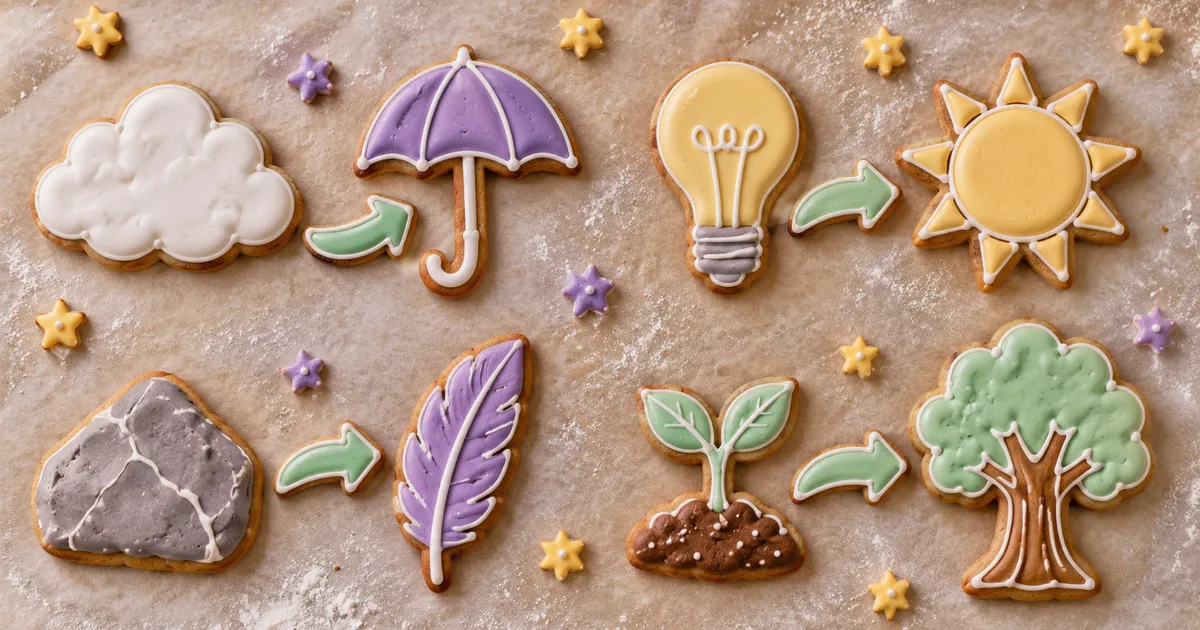
Begin with comparisons children can see, hear, touch, or act out. The table pairs each pattern with its shared feature. Familiar expressions and fresh examples show how children can build their own similes.
Treat the examples in Similes for Kids: Examples and Activities as models, not answers to memorise. Ask, “What is bright in your home?” or “What moves slowly where you live?” A child might choose a lamp, tram, tortoise, or object from another culture.
Similes and metaphors are related but distinct. A simile compares indirectly: “The lake resembles a mirror.” A metaphor states the comparison directly: “The lake is a mirror.” Beginners can first listen for comparison words.
How to Introduce New Similes
Teach the idea before its label. Place two safe household objects together, such as a spoon and toy car. Ask how they match: both may be shiny, hard, or small. Say, “The car is as shiny as the spoon.” Then call the sentence a simile.
Build from one sense at a time: colours, sounds, textures, movements, then feelings. A blanket may be “as soft as a cloud.” Rain may sound as steady as tiny drums. Once your child understands, request another comparison for the same object.
LearnLink tutors adjust each task to the learner’s language level. A beginner may complete “as cold as ___.” A confident learner can explain a comparison or replace a familiar simile with a more exact image.
Activities for Different Ages
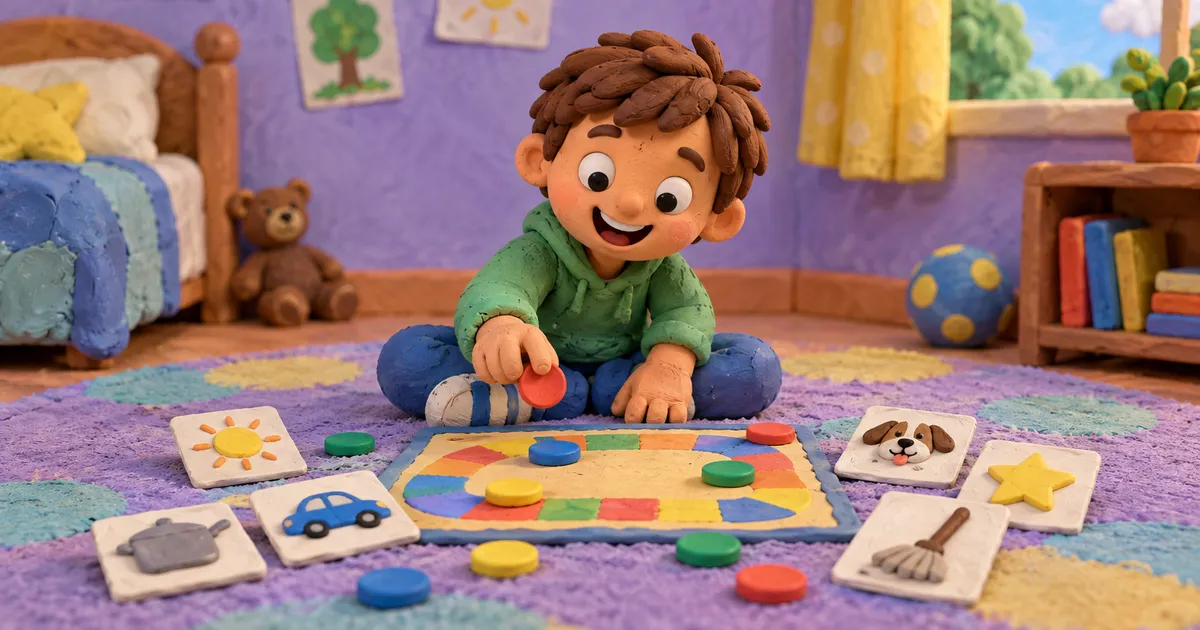
School-age kids: Use movement and pictures. Call out “leap as high as a frog,” “stand as tall as a tree,” or “move as slowly as a snail.” Your child acts it out, then chooses another animal or object. Accept spoken answers; writing is unnecessary at this stage.
School-age kids: Make a five-senses hunt. Find something bright, rough, quiet, sweet-smelling, or quick. Complete a sentence frame for each item. Your child can draw both things and write the simile beneath them.
School-age kids: Compare “The hall was noisy” with “The hall was as loud as a crowded station.” Ask which creates a stronger scene and why. For Similes for Kids: Examples and Activities with older learners, replace vague comparisons with images matching the setting and mood.
Practice Ideas and Common Mistakes
Give each short practice a purpose. While reading, identify the two things in a simile. In conversation, choose an object and take turns adding an accurate comparison. In writing, use only two or three strong similes to avoid a crowded description.
Finish and Explain
Complete: “The water was as transparent as ___.” “The door creaked as harshly as ___.” “My excitement grew as quickly as ___.” Name the shared feature after each answer. Then change a comparison that does not fit. “The pillow was as loud as thunder” may be imaginative, but your child should explain the unusual image.
Watch for three mistakes. First, the objects may lack a shared feature. Second, a child may blend patterns; use either “as fast as a train” or “moves with a train’s speed.” Third, familiar similes can become automatic. Use them for early practice, then request comparisons tied to the child’s setting.
- Try three similes with children ages six to eight during breakfast.
- Read one picture book and identify five comparisons using like or as.
- Use familiar animals to create four vivid similes together after school.
- Practice replacing vague adjectives with specific similes in two short sentences.
- Avoid mixing comparison ideas; ask your child to explain each connection.
For the rule wording, Wikipedia — English Grammar is a useful reference while the practice examples here stay adapted for children.
Frequently Asked Questions
At What Age Can a Child Learn Similes?
Children can explore basic comparisons from about age four through pictures, objects, and movement. They need not learn the term simile at first. Older children can study sentence patterns, figurative meaning, and writing choices. Match tasks to language level; age alone does not determine understanding.
How Many Similes Should My Child Learn at Once?
Start with three to five examples about one feature, such as colour or movement. Practise them through speech, drawing, and short sentences. A page labelled Similes for Kids: Examples and Activities can place familiar models beside your child’s original comparisons. Quality matters more than memorising a long list.
What If English Is Not My Child’s First Language?
Connect the English simile to an object, gesture, or picture instead of translating each word. Check that your child knows the adjective, such as smooth or bright. If another home language uses a different image, discuss both. Multilingual knowledge supports learning while reinforcing the English pattern.
How Can I Tell Whether a Simile Works?
Ask your child to name both things and their shared feature. A strong simile creates a vivid picture and suits the sentence. It need not be familiar, but listeners should understand it. If the comparison surprises them, your child should explain it. The explanation shows whether the choice is thoughtful or random.
Turn the idea into a short practice routine:
- Start with one feature. Choose colour, sound, movement, weight, or texture.
- Practice both patterns. Say one “as…as” comparison and one comparison with “like.”
- Check the image. Ask your child to name the shared feature, then revise any unclear comparison.
A short one-to-one lesson can show what level and pace fit your child — book a trial English lesson.
Stay updated on our latest tips and resources by following us on Instagram LearnLink.