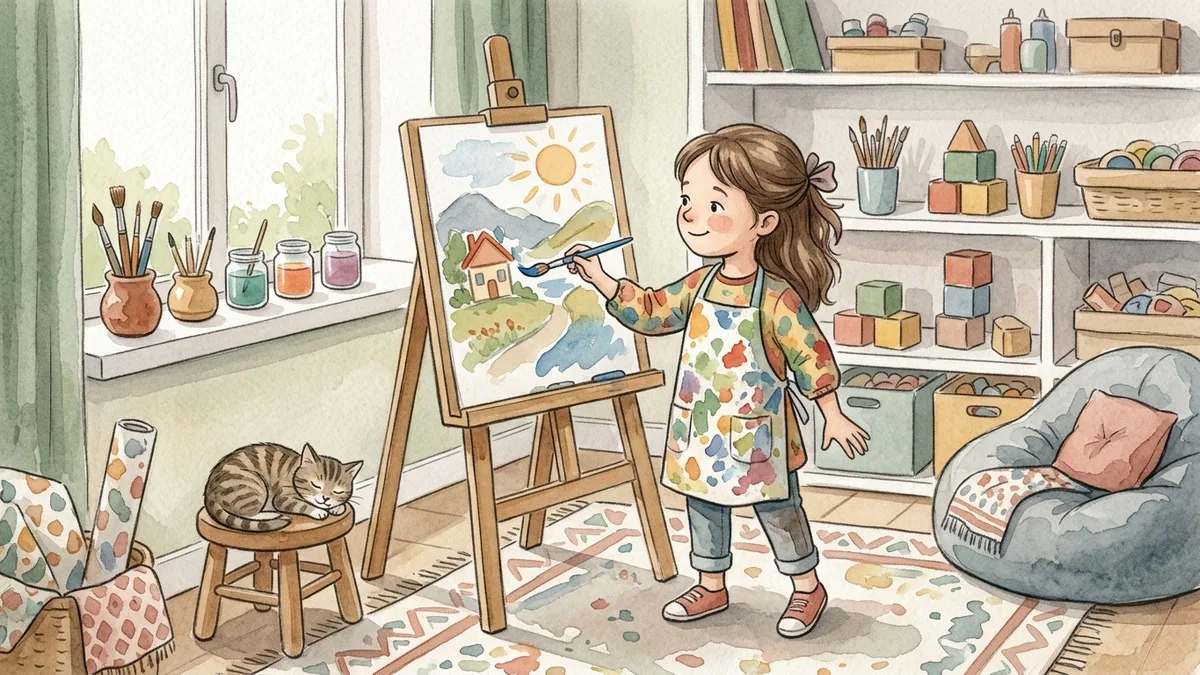
A Spanish verb tense shows when action happens: now, earlier, or later. For families, spanish verb tenses for kids can feel tricky because Spanish changes verb endings by person and time. English says “I speak” and “we speak”; Spanish says “hablo” and “hablamos.” That feels new for children, even bilingual ones. Children do not need every tense at once. They need a small map, clear examples, and short practice linking meaning with sound.
Start with the Three Time Zones
Teach Spanish tenses through three time zones: present, past, future. A child can grasp that before grammar labels. Ask: “Is it happening now?”, “Did it already happen?”, or “Will it happen later?”
With young learners, act it out. Say “Como una manzana” while pretending to eat. Then say “Comí una manzana” and point behind you. Then say “Comeré una manzana” and point forward. Movement helps the rule stick.
With older children, add grammar names once the idea feels firm. Present tells what happens now or often. Past tells what already happened. Future tells what will happen. This starts the first layer of spanish verb tenses for kids.
Present Tense: What Happens Now or Usually
Present tense makes the strongest first tense because children can use it immediately. It covers daily life: “I eat,” “she reads,” “we play,” “they live.” Spanish endings change with each subject.
Start with regular -ar verbs because they follow a steady pattern. For example, hablar means “to speak.” A child can learn: yo hablo, tú hablas, él habla, nosotros hablamos, ellos hablan. Do not rush every person on day one. Three forms suit a young child: yo, tú, and él/ella.
Keep examples close to the child’s world: “Juego con mi hermano,” “Estudio español,” “Miro un libro.” When spanish verb tenses for kids connect to real actions, they feel less like charts and more like speech.
Past Tense: Two Common Ways to Look Back
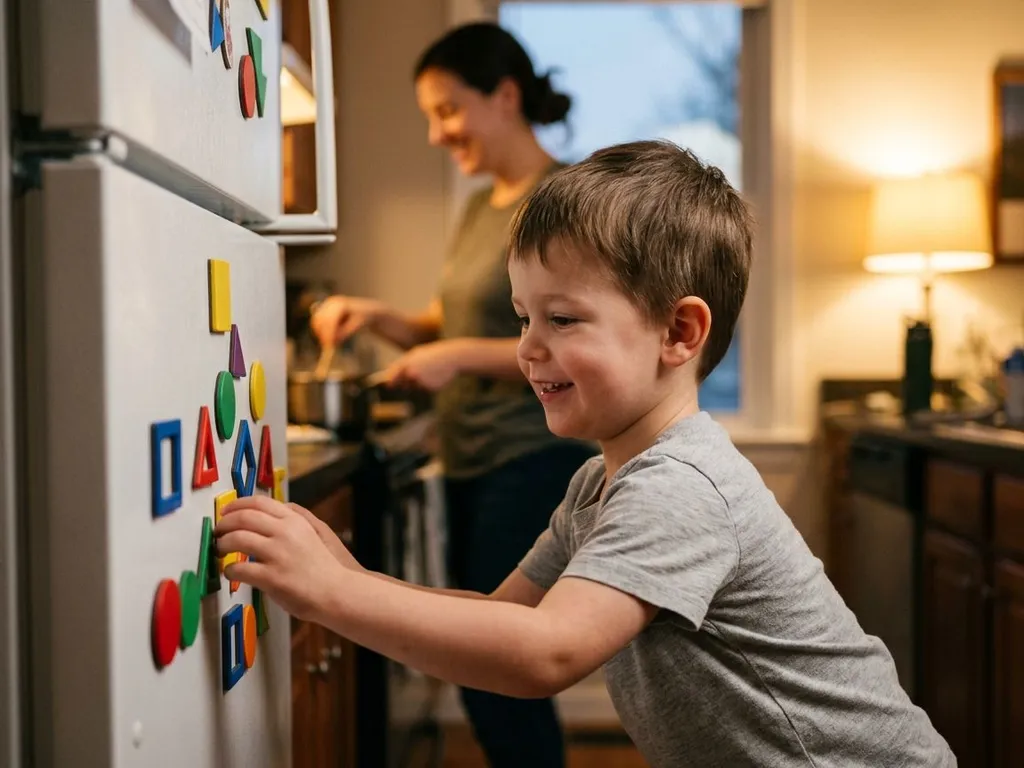
Spanish has more than one past tense. Children can lose confidence here, so keep the explanation concrete. Preterite marks completed action: “Ayer comí pizza” means “Yesterday I ate pizza.” The action is done.
Imperfect gives background, habits, or actions in progress: “Cuando era pequeño, jugaba en el parque” means “When I was little, I used to play in the park.” It does not point to one finished event as sharply.
Use this parent rule: preterite is a photo; imperfect is a video. “Salté” is one jump. “Saltaba” shows the child jumping over time. This image helps children compare forms before adult grammar terms.
Practice: Choose the Time Zone
Read each English meaning and choose the Spanish idea: present, finished past, or future. 1. “I eat breakfast every day.” 2. “I ate breakfast yesterday.” 3. “I will eat breakfast tomorrow.” 4. “We play after school.” 5. “We played after school.” Answers: 1 present, 2 finished past, 3 future, 4 present, 5 finished past.
Future Tense: Later, Plans, and Promises
Children often learn near future first because it is direct: ir + a + verb. “Voy a leer” means “I am going to read.” The child changes only ir: voy, vas, va, vamos, van. The main verb stays in base form.
Simple future, such as “leeré” for “I will read,” also helps, but can wait until the child feels ready for more endings. For a 6-year-old, “Voy a jugar” may be enough. For a 12-year-old, “Jugaré” can join the lesson.
When planning spanish verb tenses for kids, future forms fit calendars, birthdays, trips, and weekend plans. Ask: “¿Qué vas a hacer el sábado?” A child can answer with one safe frame: “Voy a…”
Regular Verbs Before Irregular Verbs
Start with these core words and short examples before adding more specific vocabulary.
I run in the playground.
Can you jump high?
We read a short story.
Write your name here.
They play after school.
Draw a small house.
I eat breakfast at seven.
Drink water after sport.
Spanish has regular verbs, which follow patterns, and irregular verbs, which change less predictably. Children should meet both, but regular verbs deserve more weight at the start. They build trust in the system.
Use three families: -ar, -er, and -ir. Hablar, comer, and vivir work as strong model verbs. Once a child sees endings carrying meaning, irregular verbs make more sense. Then add high-use verbs such as ser, estar, ir, tener, and hacer.
For young children, treat irregular verbs as useful words, not broken rules. “Soy,” “estoy,” and “voy” deserve early practice because children need them for identity, feelings, place, and plans.
A Simple Learning Order by Age
A 4- to 6-year-old does not need full conjugation tables. They need songs, actions, short answers, and repeated phrases. Start with “yo quiero,” “yo tengo,” “me gusta,” “voy a,” and a few present-tense actions. At this age, spoken confidence matters more than naming every tense.
A 7- to 10-year-old can handle patterns. Teach present tense first, then near future, then a small past-form set. Use color coding: one color for now, one for before, one for later. Ask the child to sort sentence cards by time.
An 11- to 15-year-old can learn the full grammar map more directly. They can compare preterite and imperfect, spot irregular verbs, and write short paragraphs. For this age, spanish verb tenses for kids should include speaking practice and direct correction, so mistakes do not become habits.
Practice: Fill in the Verb
Use the verb in brackets. 1. Yo _____ español. (hablar, present) 2. Ella _____ agua. (beber, present) 3. Nosotros _____ en casa ayer. (comer, finished past) 4. Tú _____ al parque mañana. (ir, near future: vas a ir) 5. Ellos _____ música. (escuchar, present) Answers: hablo, bebe, comimos, vas a ir, escuchan.
Common Mistakes and How to Fix Them
The first mistake is using the infinitive for every subject: “yo hablar,” “ella comer.” This is normal early on. Correct gently by returning the full sentence: “Yes, yo hablo.” Children need frequent, accurate models.
The second mistake is mixing ser and estar. Both can mean “to be,” but they are not the same. Keep the first rule direct: ser often names identity or a stable fact, while estar often names place or current state. “Soy Ana.” “Estoy en casa.” “Estoy cansado.”
The third mistake is treating all past actions alike. Use the photo-video idea again. “Ayer jugué” is a finished photo. “Jugaba cada día” is a habit video. This is one of the most useful images in spanish verb tenses for kids because it gives children a choice they can picture.
How Parents Can Practise Without Turning Home into School
Short practice beats long review. Five minutes with three useful sentences can do more than a long worksheet with tired attention. Choose one tense and one real setting: breakfast, bedtime, the car, or a walk.
Try a three-line routine. First, the parent gives a model: “Yo como.” Second, the child changes one part: “Yo bebo.” Third, the parent asks a small question: “¿Qué comes?” Grammar stays inside speech, keeping spanish verb tenses for kids warm and usable.
For multilingual children, do not worry if languages mix for a while. A child may borrow an English word while using a Spanish ending, or use the right Spanish word with the wrong tense. That is part of sorting the system. Correct the target form and keep the exchange moving.
Practice: Change the Time
Change each sentence from present to near future using “voy a,” “vas a,” or “vamos a.” 1. Yo leo. 2. Tú cantas. 3. Nosotros jugamos. 4. Yo escribo. 5. Tú comes. Answers: Voy a leer. Vas a cantar. Vamos a jugar. Voy a escribir. Vas a comer.
For rule wording, Wikipedia — English Grammar is a useful reference while the practice examples here stay adapted for children.
Frequently Asked Questions
What Is the Easiest Spanish Tense for Children to Learn First?
Present tense often makes the strongest starting point because children can use it in daily speech right away. It helps them say what they do, like, have, want, and feel. Begin with high-use phrases before full verb tables. For spanish verb tenses for kids, early success matters: “yo tengo,” “me gusta,” and “yo juego” work from the first lesson.
Should Children Memorise Full Conjugation Tables?
Older children can use tables, but younger children need small pattern pieces. A 6-year-old may learn “yo hablo” and “tú hablas” through games before seeing a chart. A 12-year-old can compare all six forms and notice endings. Tables help when they support speech and writing, not when they replace them.
How Do I Explain Preterite and Imperfect Without Confusing My Child?
Use meaning before labels. Preterite marks a finished event: “I played yesterday.” Imperfect marks a habit or background: “I used to play” or “I was playing.” The photo-video image helps: preterite gives one snapshot, while imperfect shows an ongoing scene. Once your child understands that contrast, Spanish names become easier to remember.
How Often Should My Child Practise Spanish Verb Tenses?
Frequent short practice works best. Three to five minutes most days helps more than one long end-of-week session. Keep one focus each time, such as present-tense -ar verbs or “voy a” for future plans. Add writing only after your child has heard and said the pattern enough times.
What If My Child Speaks Another Language at Home?
That can help. Multilingual children often understand different word orders, endings, and sound patterns across languages. They may mix forms at first, especially when languages share words or grammar ideas. Treat this as normal. Give a precise model, ask for one small correction, and keep the sentence meaningful. This keeps spanish verb tenses for kids practical, not stressful.
If your child needs steady speaking practice, start small — choose a free trial lesson.
Stay updated on our latest tips and resources by following us on Instagram LearnLink.