Sports Quotes in English for Kids
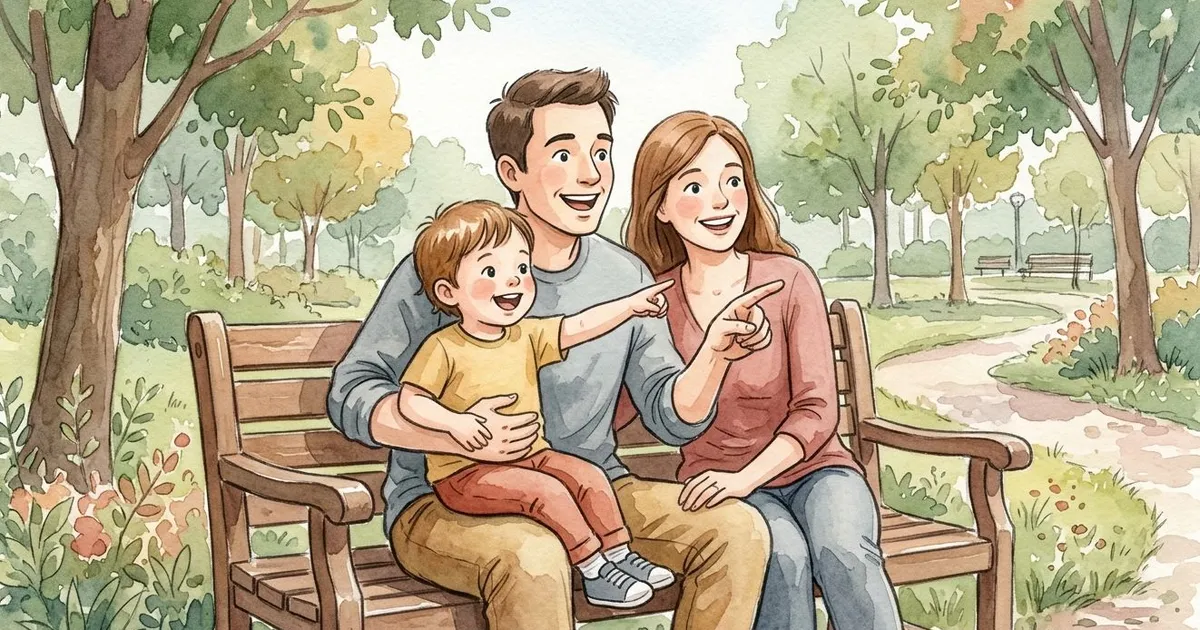
Sports quotes in english for kids work when they give one spoken idea for play: try again, help the team, stay fair, or learn from a mistake. A quote should sound natural aloud, match a familiar moment, and fit the child’s English level. Younger learners need action words and visible examples. Older children can discuss pressure, patience, and respect for opponents. Sports quotes give children practical English for feelings, choices, and social moments.
📥 Sports Quote Cards for Kids
Useful short phrases children can say before, during, and after a game
Leave your email — we'll send the PDF to your inbox.No spam — the PDF plus one short reminder. Unsubscribe anytime.
What Families Need to Know
A sports quote should be short enough to remember and broad enough to use beyond sport. “Try again,” “Play fair,” and “We help the team” fit football, swimming, chess, dance, and family life. Children do not need an athlete’s biography first. They need meaning, sound, and a safe chance to try the phrase.
For international families, sports quotes in english for kids teach cultural habits around praise and competition. English-speaking coaches and teachers often value effort words: practice, focus, teamwork, respect, and progress. These words help children talk about winning without boasting and losing without shame.
Choose quotes that match your family values. Some sports language sounds harsh for young learners, especially lines about crushing opponents or never feeling fear. For children, strong language is usually steady, not loud: “Keep going,” “Learn from the miss,” “Good players listen,” and “A team works together.”
Choosing Quotes That Children Can Actually Use
Start with everyday English. A strong beginner quote has one verb and one message: “Keep trying,” “Listen first,” “Pass the ball,” “Be brave,” “Practice helps.” These lines build language and character together. They are easy to act out, so younger children remember them faster.
For children who speak two or three languages, avoid translating every word. Give the quote in English, show the action, then check meaning with a question: “Is this about stopping or trying again?” This keeps the child thinking in English instead of matching words across languages.
When we use sports quotes in english for kids across LearnLink lessons, tutors check three things: the child can say the line, explain it in plain English, and use it in a new situation. A quote works when a child says, “I made a mistake, but I can try again,” not only when they repeat it perfectly.
Examples by Age
Younger children need quotes with concrete actions. For ages 4 to 6, use lines such as “Run and smile,” “Take turns,” “Good game,” “Try one more time,” and “Hands help the team.” Say the line with movement. A child can jump, clap, pass a soft ball, or point to a teammate while speaking.
Children aged 7 to 10 can work with cause and effect. Examples include “Practice makes the next try better,” “A good teammate shares,” “Winning feels good, but learning lasts,” and “Strong players listen.” These quotes invite short answers: “How can practice help?” or “What does a good teammate do?”
Older children aged 11 to 15 can discuss pressure, fairness, and goals. Try “Confidence grows through practice,” “Respect the game and the people in it,” “A mistake is information,” and “The score is not the whole story.” At this age, sports quotes in english for kids should not feel babyish. Let the child agree, disagree, and give an example from sport, a game, or school.
Practice helps the next try.
Teamwork means we help each other.
Respect the game and the players.
Focus on one good pass.
Effort matters after a mistake.
Play fair, win or lose.
Set one goal for today.
Be brave and try again.
How to Use Quotes at Home
Use one quote for several days. Children learn more from one repeated sentence than from a long list that changes fast. Put the quote near action: by the door before practice, on the fridge before a family game, or beside a desk before homework. Read it aloud, then ask for one example.
Keep correction light. If your child says, “Try more time,” answer naturally: “Yes, try one more time.” The aim is confident use, not a grammar lesson during play. Return to grammar later if the child is ready.
Sports quotes in english for kids help after disappointment. After a lost match or hard lesson, avoid turning the quote into a lecture. Say the line once, then ask a grounded question: “What is one thing you did better today?” This links English to calm thought, not pressure.
Home Practice: Quote, Action, Reason
Choose one quote, such as “A good teammate listens.” First, your child says it. Second, they act it out for five seconds. Third, they finish the sentence: “This helps because…” Younger children can answer with one word; older children can give a full reason.
Practical Activities for Real Practice
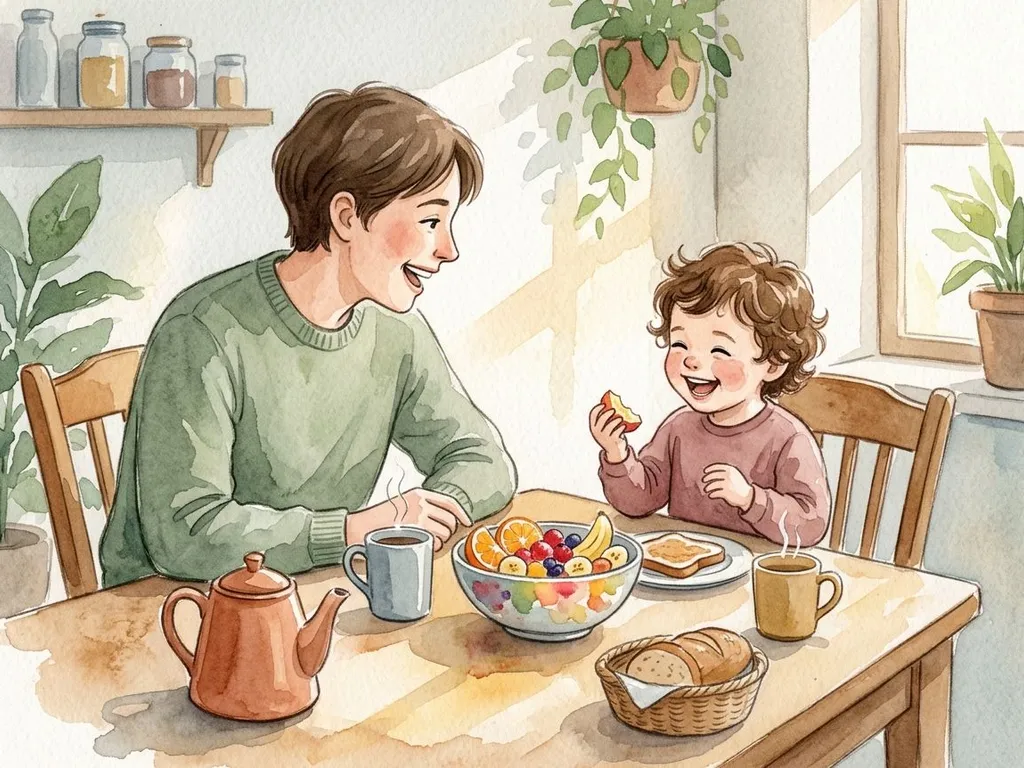
Make quote cards with three parts: the quote, a small drawing, and one child-friendly question. For “Keep going,” draw a runner near the finish line and ask, “When do you need to keep going?” The drawing gives younger learners a memory hook.
Try a “match the moment” game. Say a situation: “Your team is losing,” “Your friend missed the ball,” “You won the game,” or “You feel nervous before swimming.” Your child chooses the quote for that moment. This builds social language, not only vocabulary.
For older children, ask them to rewrite a quote for another setting. “Practice makes the next try better” can become “Piano practice makes the next song better” or “Reading practice makes the next page easier.” Sports quotes in english for kids can support general English, school confidence, and family conversations.
Common Mistakes to Avoid
Do not choose quotes that are too abstract too soon. “Success is a state of mind” may sound impressive, but children often cannot use it. A line such as “Practice helps you improve” teaches more English and gives the child a stronger chance of success.
Do not make every quote about winning. Children need language for effort, patience, rest, teamwork, and respect. A balanced set might include “Play fair,” “Help your team,” “Breathe and try again,” “Listen to the coach,” and “Say good game.” These phrases work before, during, and after play.
Do not turn quotes into moral tests. If a child is upset after losing, they may not be ready to repeat a positive line. Give space first. Later, when the child is calm, return to the quote and ask what it means. English learning should respect the child’s feelings and the target language.
- Choose three sports quotes in English for elementary kids.
- Practice one quote aloud before homework, focusing on clear pronunciation.
- Use a soccer or basketball example to explain each quote.
- Ask your child to draw one quote in five minutes.
- Review the favorite quote again before the next practice session.
When a word has several meanings or pronunciations, Cambridge Dictionary is a useful check before turning it into child-friendly examples.
Frequently Asked Questions
How Many Sports Quotes Should My Child Learn at Once?
One to three quotes are enough for most children. A 5-year-old may need one short line for a full week. A 10-year-old might compare two or three quotes and choose one for a situation. The goal is practical speech, not memorising a long list. When your child can say a quote, explain it, and use it at the right time, add another.
Are Famous Athlete Quotes Useful for Young English Learners?
Some are useful, but many are too long or too adult in tone. Before using a famous line, check the vocabulary, message, and emotional weight. Children usually learn better from short, plain phrases first. If an older child likes a sport or athlete, a famous quote can work after you discuss the meaning together.
Can Sports Quotes Help If My Child Does Not Play Sport?
Yes. Many sports quotes are about effort, courage, fairness, and teamwork. A child can use “Try one more time” for drawing, reading, music, or a puzzle. Sports quotes in english for kids turn big ideas into short sentences children can say during normal family life.
Should I Translate the Quote into My Home Language?
Use translation only when it helps meaning. First, say the quote in English with an action or picture. Then ask a check question. If your child is still unsure, give a short translation and return to English straight away. This keeps the English phrase active while respecting a multilingual home.
- Start with one short quote and use it for three to five days.
- Practice the line with movement, drawing, or a real family situation.
- Ask one simple question so your child explains the meaning in English.
- Try a new quote only when the first one appears naturally in speech.
A short one-to-one lesson can show what level and pace fit your child — book a free English lesson.
Stay updated on our latest tips and resources by following us on Instagram LearnLink.