Spring Vocabulary in English for Kids
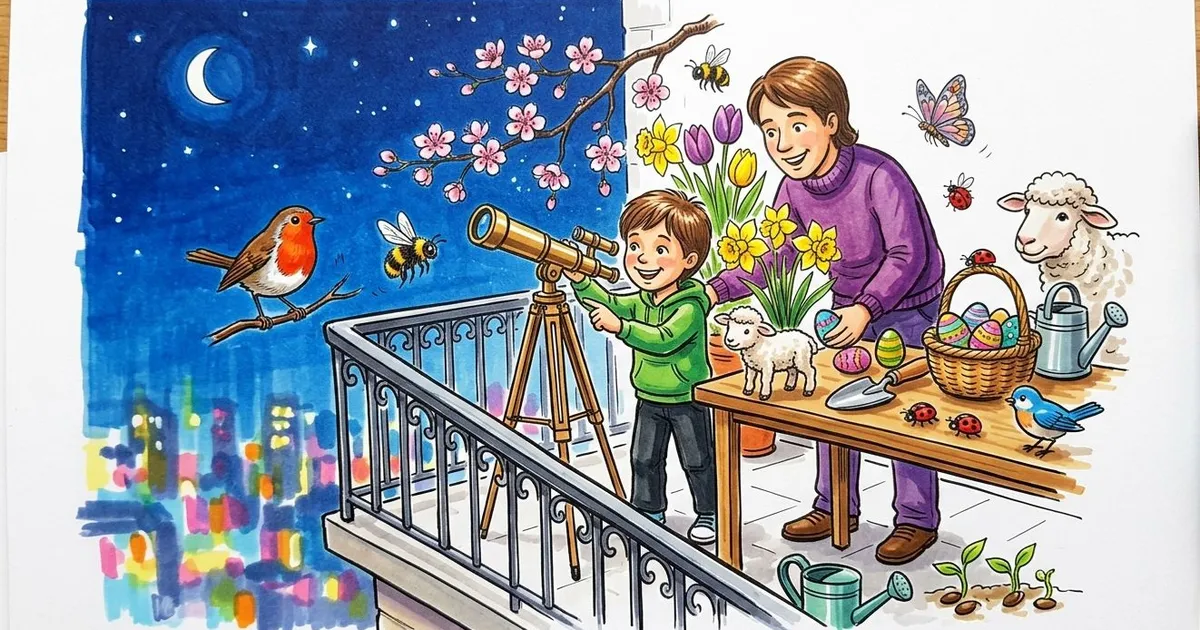
Spring vocabulary covers weather, plants, animals, and seasonal changes. English Spring Words for Kids: Vocabulary and Activities helps families teach these words through pictures, movement, conversation, and outdoor observation. Start with rain, flowers, and birds, then add adjectives and short phrases. A 5-year-old may point and name; an older child can compare seasons or explain seed growth. Choose examples suited to your climate because spring differs worldwide.
📥 Spring Words and Conversation Practice
Learn, use, and remember useful spring vocabulary
Leave your email — we'll send the PDF to your inbox.No spam — the PDF plus one short reminder. Unsubscribe anytime.
Weather and Seasonal Changes
Start with these core words and short examples before adding more specific vocabulary.
In spring, flowers grow.
In summer, many days are hot.
In autumn, leaves can change colour.
Fall is another word for autumn.
In winter, some places are cold.
A rainy day needs boots.
A sunny day can feel warm.
A windy day moves the leaves.
Begin with words children can see or feel: spring, season, sun, sunny, rain, rainy, cloud, cloudy, wind, windy, warm, cool, storm, rainbow, and puddle. Pair nouns with adjectives: “The sun is bright” and “It is sunny.” Children then see how word forms change between sentence roles.
Use English Spring Words for Kids: Vocabulary and Activities as a flexible theme, not a fixed description of March, April, and May. Spring occurs in different months across the Northern and Southern Hemispheres; other regions have wet and dry seasons. Compare pictures: “This garden is wet,” “That day is windy,” or “We do not have cool spring weather here.”
- It is warm today.
- Dark clouds are coming.
- I can see a rainbow.
- My boots are in the puddle.
- The wind is moving the trees.
Plants, Gardens, and New Growth
Plant vocabulary includes flower, bud, leaf, stem, grass, tree, seed, soil, root, garden, blossom, and branch. Add verbs such as plant, grow, bloom, open, water, and sprout. Pair each noun with an action. A child can plant an imaginary seed, crouch like a shoot, then rise while saying, “The seed grows.”
Older children can build cause-and-effect sentences: “The soil is wet because it rained,” or “The bud opens when the weather becomes warmer.” Keep the science accurate and grammar manageable. Roots absorb water, leaves use light, and flowers can produce seeds. These connections turn vocabulary into meaningful language.
- This flower has a long stem.
- A small leaf is growing.
- We plant the seed in soil.
- The tree has new buds.
Spring Animals and Insects
Teach bird, nest, egg, chick, duck, duckling, frog, tadpole, bee, butterfly, caterpillar, rabbit, lamb, and insect. For animals absent locally, use photos, books, or safe nature videos. Explain adult and young animals: a duckling is a young duck; a chick is a young bird.
English Spring Words for Kids: Vocabulary and Activities pairs naturally with movement. Children can flap like birds, hop like rabbits, crawl like caterpillars, or spread butterfly wings. Add sentences: “The rabbit is hopping,” “The bee is flying,” and “The bird is building a nest.” Movement helps younger learners recall each word.
- The chicks are in the nest.
- A frog can jump and swim.
- The bee is near the flowers.
- The caterpillar becomes a butterfly.
Useful Phrases for Real Conversations
Children need words and sentence frames. Practise “I can see…,” “There is…,” “There are…,” “It looks…,” and “I like…because….” A beginner might say, “I can see a yellow flower.” A confident learner can extend it: “I can see three yellow flowers beside the path.”
When practising English Spring Words for Kids: Vocabulary and Activities, vary questions and answers. Ask, “What can you see?”, “What is the weather like?”, “Which animal is moving?”, and “How are these pictures different?” Open questions encourage children to select words instead of repeating them.
Look, Choose, and Explain
Choose a spring picture. Your child names an object, adds an adjective, and creates a sentence: “flower” becomes “purple flower,” then “The purple flower is growing.” Older children can add cause or contrast: “The grass is wet because it rained, but the path is dry.”
Activities for Different Ages
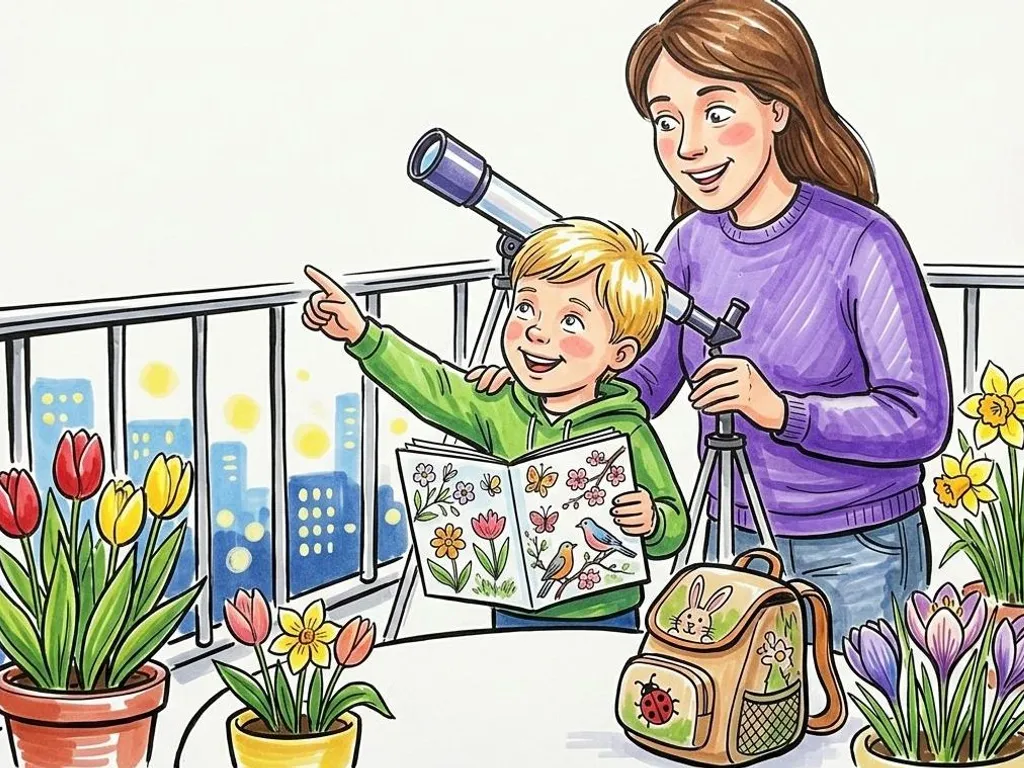
Match tasks to language level and attention span, not age alone. A multilingual child may know a spring concept in another language but need its English name. Acknowledge that knowledge, provide the English form, and invite a short sentence.
Stop younger children while the game remains enjoyable. Brief rounds across the week work better than one crowded session. Older learners can choose photos, write clues, or prepare a weather report. English Spring Words for Kids: Vocabulary and Activities should produce purposeful speech and writing, not isolated-word recitation.
Home Practice and Common Mistakes
Reuse words in new settings. Sort picture cards into weather, plants, and animals. Play “What is missing?” with a few cards. During a walk, find a bud, cloud, bird, or puddle. At home, draw and label a spring scene. The next day, use the drawing for sentences: “There are two birds in the tree.”
Watch for word-form errors. Children may say “It is rain” instead of “It is raining” or “It is rainy.” They may confuse sun with sunny, or say “three butterfly” instead of “three butterflies.” Model the correct form naturally: “Yes, it is raining,” or “You found three butterflies.” Calm correction keeps conversation moving.
Pronunciation needs brief, regular practice. Contrast bird and bud, rain and rainy, or grow and grass. Let the child hear the word, observe the mouth shape, and repeat it within a phrase. In one-to-one lessons, tutors adjust the pace and model sounds accurately. English Spring Words for Kids: Vocabulary and Activities aims for language children can recognise, say, and use in meaningful sentences.
- Choose five spring words and practice them with children aged four to seven.
- Read one picture book aloud, pausing for your child to name spring objects.
- Use picture cards for two-minute matching games after breakfast each day.
- Correct one mistake gently, then repeat the complete sentence together three times.
- Try one English Spring Words for Kids vocabulary activity before outdoor play.
When a word has several meanings or pronunciations, Cambridge Dictionary is a useful check before turning it into child-friendly examples.
Frequently Asked Questions
How Many Spring Words Should a Child Learn at One Time?
For a young beginner, introduce a small group through one game or picture. Add words after the child recognises most of the first group without strain. Older children can learn a broader set organised by weather, plants, and animals. Review matters more than lesson size.
Can We Teach Spring Vocabulary If Our Country Has Different Seasons?
Yes. Use spring as a language theme and a comparison between places. Explain when spring occurs in another hemisphere, then discuss local weather. Your child might say, “The picture shows a cool spring, but our weather is hot and wet.” This teaches accurate vocabulary without treating one climate as universal.
Should My Child Translate Every Spring Word?
Translation can confirm meaning for a multilingual learner, but should not stand alone. Connect each English word to a picture, action, object, or sentence. If your child knows bud in another language, acknowledge it, then practise “a green bud” or “The bud is opening.”
How Can We Use This Vocabulary Without Worksheets?
English Spring Words for Kids: Vocabulary and Activities works with window views, family photos, drawings, toys, or outdoor walks. Ask your child to find, describe, compare, and explain. Try a breakfast weather report or bedtime picture description. Short routines make vocabulary part of communication instead of a separate school task.
A short one-to-one lesson can show what level and pace fit your child — book a trial English lesson.
Stay updated on our latest tips and resources by following us on Instagram LearnLink.