Gestures in English Learning for Kids
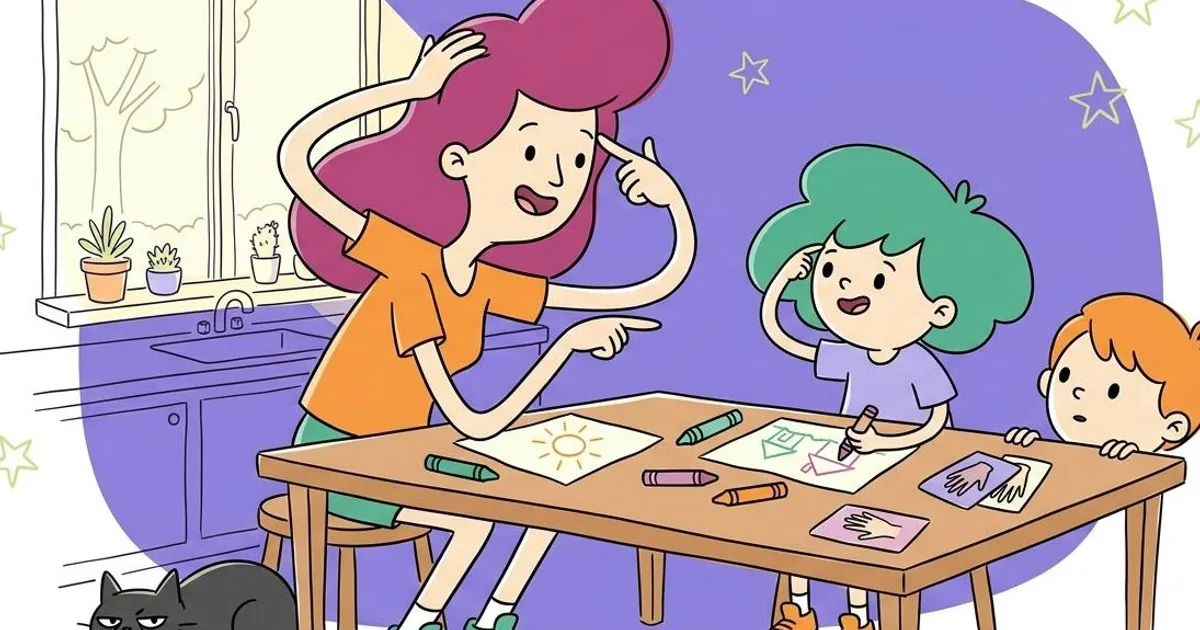
The importance of gestures in English language learning for kids is straightforward: movement gives children visible clues to spoken meaning. An upward hand can show “stand up”; two walking fingers can show “go”; a thumb pointing backwards can mark “yesterday.” Gestures help children follow English before knowing every word while supporting recall, pronunciation, turn-taking, and confidence. First-time online learners and multilingual children often benefit. Speech remains central, but purposeful movement makes vocabulary and grammar easier to notice, practise, and retrieve.
📥 Gesture Power Practice
Speak, move, and remember English
Leave your email — we'll send the PDF to your inbox.No spam — the PDF plus one short reminder. Unsubscribe anytime.
Why Gestures Help with Spoken English
A gesture connects an English sound with an action or image. When an adult says “open” while moving both hands apart, the child needs neither an explanation nor immediate translation. Voice, movement, and context convey the meaning.
The importance of gestures in English language learning for kids extends beyond entertainment. Gestures direct attention to a word, show contrast, or help a hesitant child respond before forming a complete sentence.
Movement should support speech, not compete with it. Match one distinct gesture to the central idea and say the word naturally. Once the child uses the language, shrink or remove the gesture.
Four Useful Types of Gestures
Gestures serve different purposes. Families can combine pointing, meaningful actions, rhythmic movements, and facial expressions to match the language being practised.
Some gestures are culture-specific. A sign showing approval in one country may seem rude or puzzling elsewhere. Choose transparent actions such as miming “sleep” or showing size with two hands. Teaching gestures cannot replace a signed language with its own grammar and community.
A Simple Home Routine
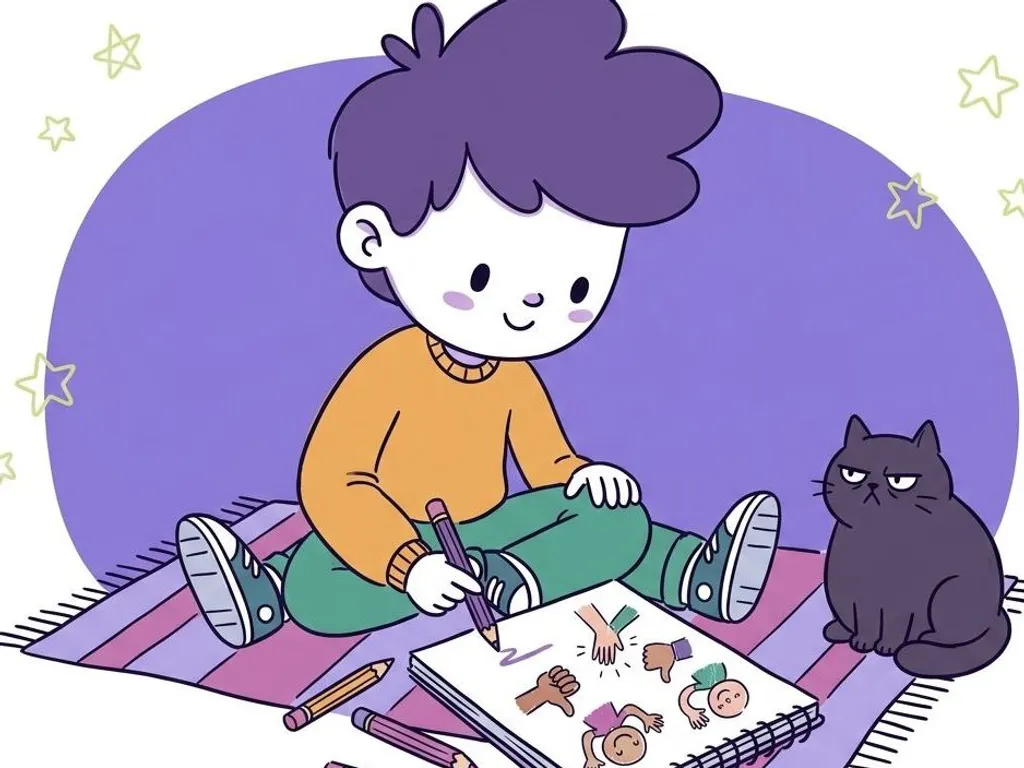
Choose three to five words from a book, lesson, meal, or family routine. Say each word in a short sentence with one matching gesture: “Pour the water,” “Close the door,” or “Put it behind the cup.” Repeat each pairing another day.
Families see the importance of gestures in English language learning for kids when the child becomes an active partner. Model a phrase, pause, and let your child point, mime, or move an object. Then invite speech, accepting the gesture first if the child is not ready.
Practice 1: Listen, Gesture, and Complete
Read each sentence and pause at the blank. Your child gestures and says the missing word: 1) I ___ water. 2) Please ___ the box. 3) The ball is ___ the chair. 4) We played ___day. 5) We will go to the park ___. Answers: drink, open, under, yesterday, tomorrow.
Examples by Age and Stage
Young children benefit from large, concrete actions. They can stretch high for “tall,” curl up for “small,” pretend to wash their hands, or point to a red object. Songs with repeated movements help them anticipate familiar words.
Children can gesture for grammar and vocabulary. A hand over the shoulder can represent the past, a downward finger can mark “now,” and a hand moving forwards can represent the future. Placing objects can practise “between,” “behind,” and “next to.”
School-age learners usually prefer smaller, purposeful movements. They might mark sentence stress with a finger, map opposing arguments to two hands, or compare verb forms with a timeline gesture. Across these stages, the importance of gestures in English language learning for kids depends on matching movement to age and task.
Games That Use Movement for Practice
Play “gesture detective” with familiar words. One person silently acts out a verb, feeling, or preposition while others guess in English. Request a full phrase when appropriate: not only “tired,” but “You are tired.” Older children can mime phrasal verbs such as “pick up” or “turn off.”
Practice 2: Change the Time
Say each present-time sentence. Your child moves a hand backwards or forwards and changes the sentence: 1) “I play football today” becomes “I played football yesterday.” 2) “We cook today” becomes “We will cook tomorrow.” 3) “She walks to school today” becomes “She walked to school yesterday.”
Another game is “silent instructions.” Gesture without speaking and ask your child to state the instruction: “Sit down,” “Open the book,” or “Put the pencil beside the cup.” Then reverse roles. Creating a precise gesture makes the child consider meaning instead of repeating sounds mechanically.
Practice 3: Tell a Three-action Story
Choose three actions, such as wake up, eat, and run. Your child performs them in order and tells a short story: “I woke up, ate breakfast, and ran to school.” Change the person, time, or order for a new version. Younger children may use one sentence per action.
Common Mistakes and Signs of Progress
Avoid assigning movement to every word. Excessive gestures divide attention and make natural speech harder to follow. Mark meaning-bearing words. In “Put the blue car under the table,” gestures for “blue,” “car,” and “under” may suffice.
Do not demand exact copying. A child may understand a gesture but prefer another movement, especially in a multilingual or multicultural family. Agree on one version together. Take care with “I” and “you,” because the speaker and pointing direction change.
Watch for practical progress: the child follows an instruction with less help, recalls a word after a small cue, or speaks before the gesture ends. Then fade the cue. The goal is independent understanding and speech, not reliance on movement.
- Try recording your six-year-old retelling one picture book with gestures.
- Practice three emotion words daily, pairing each word with one clear gesture.
- Use a mirror to correct oversized movements without interrupting spoken English.
- Praise one clearer gesture and one longer sentence after each practice.
- Track weekly progress: fewer prompts, steadier eye contact, and more spontaneous gestures.
For the child-development context behind this advice, American Academy of Pediatrics gives a broader reference point for parents.
Frequently Asked Questions
How Many Gestures Should We Teach at One Time?
Begin with three to five gestures linked to words your child can use that day. A younger learner may practise “open,” “close,” and “give” during play. An older child might gesture for “before,” “after,” and “during.” Add movements after the earlier ones require no repeated explanation.
Will Gestures Make My Child Dependent on Visual Clues?
Dependence is unlikely when gestures fade deliberately. First say the phrase and show the movement together. Later, shrink or delay the movement, using it only after hesitation. Keep speaking naturally. A gesture provides temporary support, like a picture or example sentence.
What If a Gesture Has a Different Meaning in Our Culture?
Choose another gesture. A classroom convention need not remain if it feels confusing or disrespectful at home. Physical actions such as running, eating, opening, or sleeping are easier to interpret. For abstract ideas, ask your child to suggest a movement and agree together.
Can Gestures Help a Child Who Speaks Several Languages?
Yes. Movement can connect meaning directly to an English phrase without translation through another language each time. The family’s other languages remain valuable. Gestures provide another route to meaning while the English sound pattern becomes familiar.
Are Gestures Useful for Older Children and Teenagers?
Yes, although movements should become subtler and task-focused. The importance of gestures in English language learning for kids extends to older learners practising stress, timelines, comparisons, and presentations. A teenager may mark sentence rhythm with a finger or assign contrasting ideas to opposite sides of a page.
Want to see how these ideas work in a real lesson — try a LearnLink trial lesson.
Stay updated on our latest tips and resources by following us on Instagram LearnLink.