Transition Words for Kids

Five relationships define transition words: order, addition, reason, contrast, and outcome. “First” marks order, “and” adds a point, “because” gives a reason, “but” signals contrast, and “so” states a result. Children can test a connector by naming its job. Transition Words for Kids: A Practical Guide pairs each job with spoken and written examples, from retelling with “then” to contrasting ideas with “on the other hand.” The goal is accurate connections, not memorised lists.
What Children Need to Understand
Each transition predicts the next idea. In “We put on our coats because it was cold,” “because” introduces the cause. In “It was cold, so we put on our coats,” “so” introduces the outcome. The same two facts create opposite directions: cause backward, effect forward.
Transition words have distinct jobs. “And” adds an idea, “but” shows contrast, and “then” marks the next step. Transition Words for Kids: A Practical Guide teaches each word through its function instead of treating connectors as interchangeable sentence fillers.
For younger children, start with speech. Ask your child to explain how to make a sandwich, build a model, or prepare for school. Notice where “first,” “next,” and “finally” sharpen the sequence. Older children can apply the principle to stories, explanations, emails, and assignments.
Main Types and Useful Examples
Sort transitions by purpose: order, addition, reason, consequence, contrast, example, similarity, or conclusion. Before choosing a word, the child identifies the relationship between ideas. That decision eliminates unsuitable connectors.
Transition Words for Kids: A Practical Guide covers everyday connectors and formal alternatives because children encounter different kinds of English. “But” fits conversation and stories; “however” often fits reports or essays. Formal vocabulary is not automatically stronger. The sentence and audience determine the best choice.
How the Grammar Works
Connectors including “and,” “but,” “because,” and “so” can join two parts of one sentence: “Maya wanted to play outside, but the wind was strong.” Both sides must share a logical relationship. A connector cannot repair unrelated thoughts.
Other transitions introduce a sentence or clause and require punctuation: “The wind was strong. However, Maya went outside.” Sentence-opening terms such as “however,” “therefore,” “for example,” and “finally” usually take a comma. Transition Words for Kids: A Practical Guide teaches punctuation with meaning.
Position changes emphasis. Compare “Finally, we reached the station” with “We finally reached the station.” The first marks the last stage in a sequence. The second stresses the time or effort required to arrive. Both are correct, but they perform different jobs.
Choosing Language for Different Ages
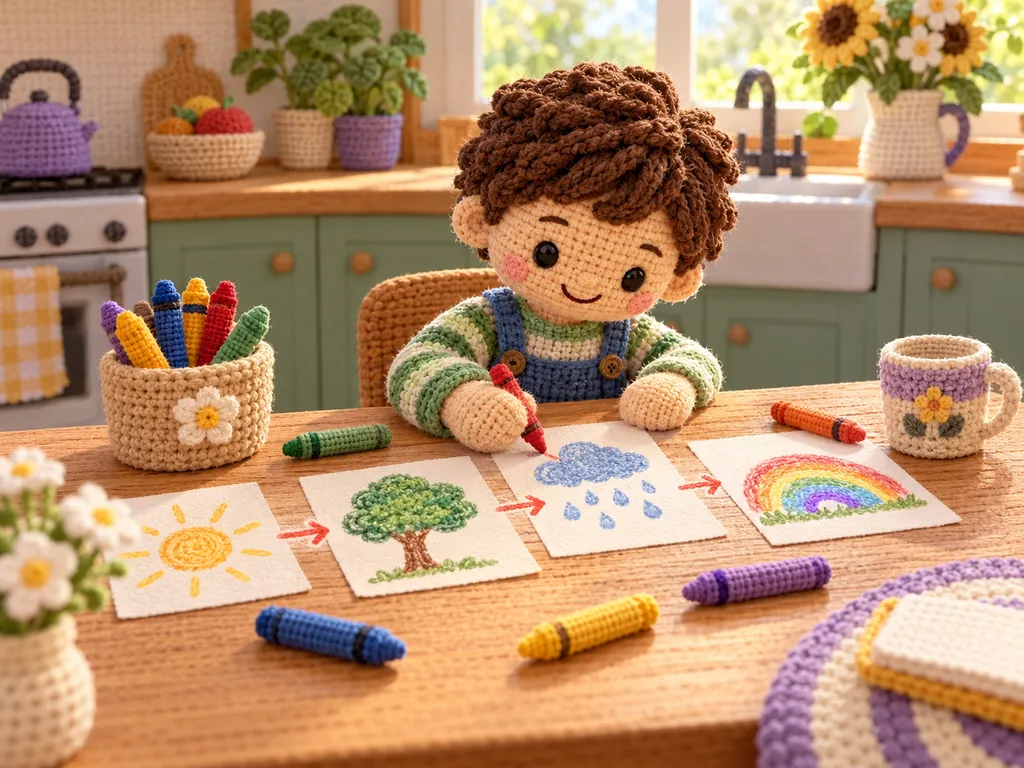
Children can begin with a small spoken set: “and,” “but,” “because,” “first,” “then,” and “finally.” Use pictures or familiar routines. Arrange three drawings and ask for a description: “First, the seed goes into the soil. Then, we add water. Finally, a plant grows.” Correct a link only when it changes or hides meaning.
Children can sort transitions by purpose, then apply them across a paragraph. They might explain a game, compare two animals, or retell a family outing. Ask them to underline each connector and name its function. Writing then becomes a reasoning task.
School-age learners can compare tone and sentence structure. They should understand why “plus” may suit an informal message while “in addition” suits a report. During online English lessons at LearnLink, tutors can model these choices in speech before learners apply them in longer writing.
Rules That Prevent Common Mistakes
A frequent mistake is choosing a transition for its sound instead of its meaning. “I was tired. However, I went to bed” is illogical because sleep is an expected consequence, not a contrast. “I was tired, so I went to bed” works. Test each connector by naming the relationship between the ideas.
Overuse creates another problem. A paragraph needs no transition before every sentence. Too many signposts make prose stiff: “First, I woke up. Next, I ate. Then, I dressed. After that, I left.” Combine related actions: “I woke up, ate breakfast, and got dressed. Then I left.” Transition Words for Kids: A Practical Guide promotes precise links, not maximum connector counts.
Children may mix structures. “Although it was raining, but we played” contains two contrast markers where English requires one: “Although it was raining, we played” or “It was raining, but we played.” Check punctuation too. A comma cannot always join two complete sentences; choose a full stop, semicolon, or suitable conjunction.
Practice Activities at Home
Use three short tasks: choose a connector, justify it, then build a paragraph. Read each pair of ideas aloud. The child names the relationship before writing. This sequence tests meaning before spelling and moves from recognition to independent use.
Choose the Clearest Transition
Complete each sentence with because, but, so, or finally. 1. The path was muddy, ___ we wore our boots. 2. I like the red bag, ___ it is too small. 3. We turned off the music ___ the baby was sleeping. 4. We packed, checked the map, and ___ left the house. Answers: 1. so; 2. but; 3. because; 4. finally.
Require a reason for every answer. “I chose ‘so’ because wearing boots is the outcome” identifies the connector and its function. The explanation demonstrates understanding instead of a lucky guess.
Build a Connected Paragraph
Join these ideas into a short paragraph: “We chose a recipe. We found the ingredients. We had no lemons. We used oranges. The cake tasted good.” Use at least one sequence word, one contrast word, and one consequence word. Sample answer: “First, we chose a recipe and found the ingredients. However, we had no lemons, so we used oranges. In the end, the cake tasted good.”
Transition Words for Kids: A Practical Guide can become a speaking game. Say two connected ideas and ask your child to hold up a card labelled “reason,” “result,” “contrast,” or “order.” For a harder round, the child suggests two transitions and explains which fits better.
When a word has several meanings or pronunciations, Cambridge Dictionary is a useful check before turning it into child-friendly examples.
Frequently Asked Questions
How Many Transition Words Should My Child Learn at Once?
Begin with four to six words serving different purposes, such as “and,” “but,” “because,” “so,” “first,” and “finally.” Practise them in speech, reading, and short writing before adding more. Older children can study alternatives together while comparing tone and meaning.
Are Transition Words Only Needed in Formal Writing?
No. Children use transitions in speech, stories, instructions, messages, and schoolwork. “Then,” “but,” and “because” fit conversation; “in contrast” and “as a result” often fit formal explanations. Each term shows how ideas connect.
Why Does My Child Use “And Then” in Every Sentence?
“And then” helps beginners order events, but repetition can hide other relationships. Ask whether the next idea gives a reason, outcome, or contrast. Substitute “because,” “so,” or “but,” and combine closely related actions.
Should I Correct Every Transition-word Mistake?
Correct errors that confuse the relationship, but do not interrupt every sentence. Let your child finish, select one or two examples, and discuss why another connector fits better. This protects fluency while building accurate habits.
What Is the Best Way to Use This Guide?
Use Transition Words for Kids: A Practical Guide in short, repeated sessions. Choose one purpose, model two examples, and ask your child to create a sentence about a familiar event. Revisit the words in speech and writing later that week. Advance when your child can explain the link and supply the connector.
If your child needs steady speaking practice, start small — choose a trial lesson.
Stay updated on our latest tips and resources by following us on Instagram LearnLink.