Trinity GESE Preparation for Kids
Trinity Gese kids preparation means getting a child ready for the Graded Examinations in Spoken English, a one-to-one speaking and listening test from Trinity College London. The exam has no reading or writing. A friendly examiner chats with the child for 5 to 10 minutes about familiar topics, so good preparation builds confident conversation, clear pronunciation, and listening, not memorised answers.
📥 Trinity GESE Speaking Practice Cards
Useful question-and-answer phrases for children preparing for a Trinity GESE speaking exam.
Leave your email — we'll send the PDF to your inbox.No spam — the PDF plus one short reminder. Unsubscribe anytime.
What the Trinity GESE Exam Is and How It Is Graded
The Gese is a spoken-language test from Trinity College London, graded across 12 levels and organised into four stages. A child sits one grade at a time and moves up when ready. Each grade adds new conversation skills and maps to the CEFR scale, so families can see real progress. Good trinity gese kids preparation starts by understanding this ladder, and free speaking games on the British Council LearnEnglish Kids portal give young learners extra practice. If you are new to certificate routes, our overview of English certificate exams for kids shows where Trinity fits among the options.
The Grades at a Glance
Most young learners aged 6 to 11 sit Initial or Elementary levels. Matching the level to the child's ability matters far more than aiming high, and a good fit keeps the exam positive. Our guide on how to check your child's English level helps you choose, and the parent notes on CEFR levels explained for parents make the mapping clear.
How to Prepare Your Child Step by Step
Strong trinity gese kids preparation follows a simple loop: build vocabulary on the exam topics, practise asking and answering questions, then rehearse a full mock conversation. Short daily practice beats long weekly sessions. Ten focused minutes a day keeps speaking fresh without tiring a young learner.
Build the Topic Vocabulary First
Each level sets fixed conversation topics, such as home, school, hobbies, and daily routine. Start there. Make small word lists with your child and use them in real sentences. Linking new words to everyday English phrases helps them stick, because the child hears them in context, not as a flat list.
Practise Speaking and Listening Every Day
From Grade 3 upwards the exam adds a listening task, so the child must follow the examiner and respond. Play quick question games at home: ask "What did you do today?" and let your child answer in full sentences. Regular English speaking practice for kids trains fast thinking, and short listening activities for children tune the ear for the real test.
▶️ Try this: Your child answers these in full sentences. No image needed.
1. Tell me about your family. ______
2. What is your favourite hobby and why? ______
3. What do you do after school? ______
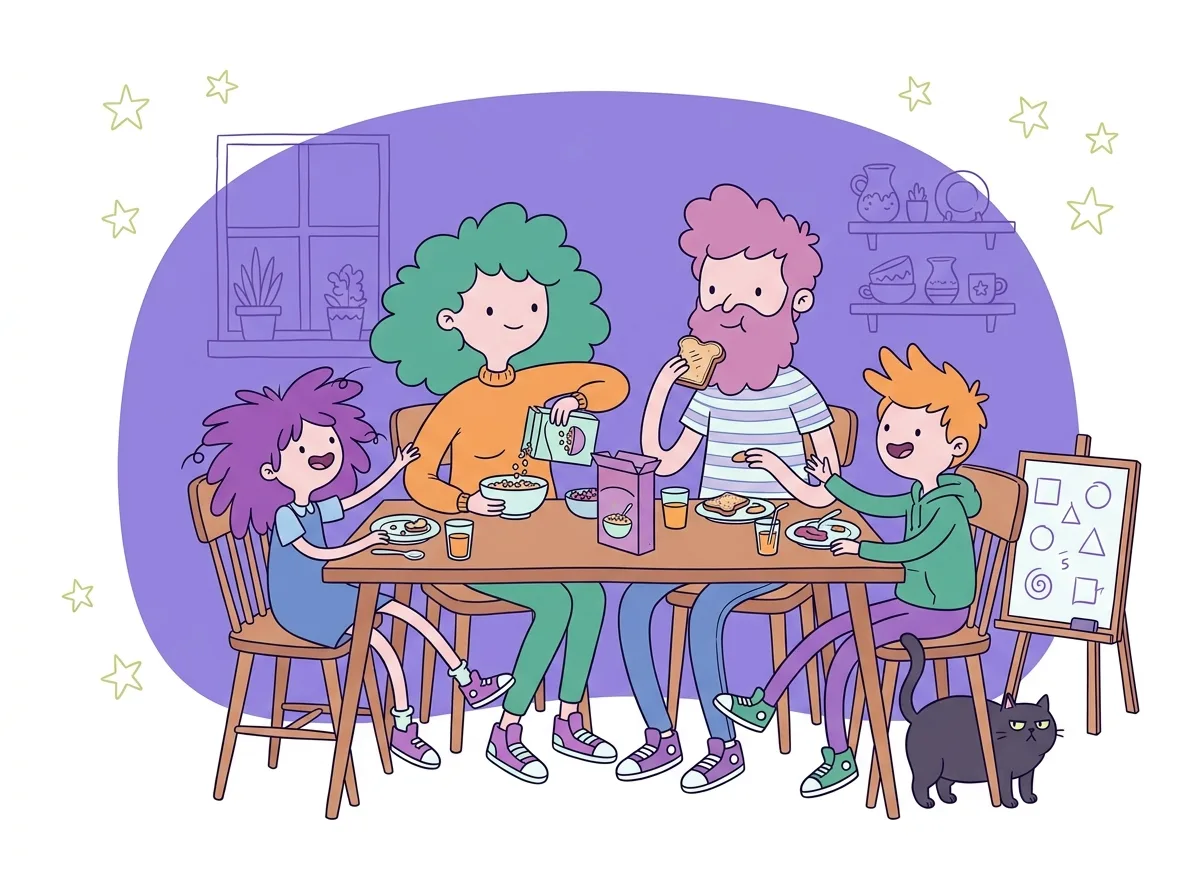
▶️ Try this: Use the image above as a prompt.
1. Say two sentences about what the child in the picture is doing.
2. Add one sentence about how they might feel.
3. Join your ideas into one longer sentence.
▶️ Try this: A parent plays the examiner for three minutes.
1. Ask three questions about a set topic.
2. Let the child reply without help.
3. Swap roles so the child asks you a question too.
Common Mistakes Parents Make in Preparation
A few habits derail trinity gese kids preparation even when families work hard. The biggest trap is drilling memorised speeches, which the examiner spots quickly and which collapse the moment a follow-up question comes. Honest, flexible practice protects a child's confidence far better.
Choosing Support and Building Exam-day Confidence
Steady support and a calm exam day turn good trinity gese kids preparation into a strong result. A child does not need an expensive course, just clear guidance and gentle feedback. Across LearnLink lessons with families in 100+ countries, our tutors find that warm, regular coaching builds more speaking confidence than last-minute cramming.
Find the Right Kind of Help
A tutor who knows the Trinity format can spot weak spots fast and keep practice on the right topics. If you are weighing options, our tips on choosing an English teacher for your child are a useful start. Plenty of progress also happens at home, and these ideas on helping your child learn English at home keep momentum between lessons.
Settle Nerves Before the Exam
On the day, remind your child that the examiner is friendly and wants them to do well. A few deep breaths and a quick warm-up chat help them relax. Children who can speak English more confidently walk in calm, and calm speakers think and answer more clearly. Trinity Gese kids preparation works best when the child feels safe to make small mistakes and keep talking.
When a word has several meanings or pronunciations, Cambridge Dictionary is a useful check before turning it into child-friendly examples.
FAQ
What age should a child start preparing?
There is no single best age. The key is whether the child can hold a simple conversation. The Initial stage (Grades 1-3) suits young learners, often from ages 5 to 7. Focus on comfort and confidence with speaking rather than on the child's exact age.
How long does it take to get ready?
It depends on the starting level, how often the child practises, and the target grade. A child with some basic English often needs 3 to 6 months of gentle, regular practice for Grade 1 or 2. The goal is steady progress, not speed.
Is the exam difficult or stressful for young children?
The Gese is designed to be positive. Examiners are trained to put children at ease and use familiar topics like family, hobbies, and school. With practice that builds confidence and conversation, most children find it manageable and even enjoyable.
How is the Gese different from the Cambridge YLE route?
Trinity Gese tests only speaking and listening in a one-to-one chat. The YLE route tests reading, writing, listening, and speaking together. If your aim is to certify spoken skills specifically, Gese is a direct choice; our guide to YLE Flyers preparation covers the all-skills route.
Conclusion
Trinity Gese rewards children who can talk, listen, and stay calm under a friendly question. Effective trinity gese kids preparation comes down to a few habits: build topic vocabulary, practise short conversations daily, choose the grade that fits, and keep feedback warm. With that steady routine, the exam becomes a confidence boost rather than a hurdle, and LearnLink tutors are ready to help your child get there.
Data current as of July 2026.
If your child needs steady speaking practice, start small — choose a trial lesson.
Stay updated on our latest tips and resources by following us on Instagram LearnLink.