“Whose” Questions for Kids
“Whose” asks who owns something or has a connection to a person or object. In Questions with “Whose” for Kids: A Practical the child, children ask “Whose coat is this?”, “Whose turn is next?”, and “Whose brother plays chess?” Answers may use a name, possessive form, or possessive pronoun: “It is Leo’s,” “It is her coat,” or “It is mine.” Younger children can start with real objects and short exchanges. Older learners can practise verb forms, word order, and ownership answers.
📥 “Whose” Questions for Kids
A practical grammar pack about asking who owns something
Leave your email — we'll send the PDF to your inbox.No spam — the PDF plus one short reminder. Unsubscribe anytime.
What Children Need to Understand First
Before studying word order, children need the question’s meaning. “Whose” asks who owns, uses, made, brought, or is linked to something. A water bottle may belong to Amira, a drawing may be her work, and a team may have a captain. “Whose” identifies the person connected to the noun.
Questions with “Whose” for Kids: A Practical the child contrasts three questions: “What is this?”, “Where is it?”, and “Whose is it?” Their answers differ: “It is a scarf,” “It is on the chair,” and “It is Dad’s.” The contrast establishes meaning before children memorise grammar.
Children who speak two or three languages may express possession differently in each language. Ask them to notice English word order instead of translating word by word. A five-year-old can point and give a one-word answer. An older child can explain the relationship in a full sentence.
How the Grammar Works
In Questions with “Whose” for Kids: A Practical the child, the pattern is whose + noun + verb + subject: “Whose pencil is this?” The noun follows “whose.” With “be,” number changes the form: “Whose hat is this?” and “Whose shoes are these?” “This,” “that,” “these,” and “those” must match singular or plural objects.
“Whose” can stand alone when listeners know the object. A child holding an unmarked lunch box can ask, “Whose is this?” A parent sorting gloves can ask, “Whose are these?” Teach the noun-first pattern before introducing this shorter form.
Other verbs may require an auxiliary: “Whose book did you borrow?” or “Whose team are you joining?” When “whose + noun” is the subject, omit “do”: “Whose phone rang?” and “Whose dog found the ball?” Learners aged about nine and above can study this distinction.
Useful Rules and Examples
Use “whose” for possession or connection involving a person, animal, place, object, or group. “Whose mother is a doctor?” asks about family. “Whose idea won the vote?” identifies its creator. “Whose classroom is upstairs?” identifies the group using the room. Ownership is the starting point, not the only meaning.
Answers need not repeat the noun. “It is Sofia’s bag” and “It is Sofia’s” are correct. A possessive adjective requires a noun: “It is her bag.” A possessive pronoun stands alone: “It is hers.” Questions with “Whose” for Kids: A Practical the child links these forms into complete exchanges.
“Whose” and “Who’s” Are Not the Same
“Whose” shows possession or connection. “Who’s” contracts “who is” or “who has.” Because they sound identical, children may confuse them in writing. Replace “who’s” with “who is” or “who has.” If the sentence works, keep the apostrophe: “Who’s at the door?” becomes “Who is at the door?”
Meaning makes the apostrophe rule memorable. In Questions with “Whose” for Kids: A Practical the child, children test sentences aloud: “Whose lunch is this?” cannot become “Who is lunch is this,” so it requires “whose.”
Common Mistakes and Simple Corrections
Questions with “Whose” for Kids: A Practical the child starts with word order. Children may say, “Whose is this pencil?” When the noun has not been identified, teach “Whose pencil is this?” Correct “Who pencil is this?” by placing “whose” directly before the noun.
Number affects agreement. Use “is” with one item and “are” with more than one: “Whose sock is this?” but “Whose socks are these?” For “Whose shoes is these?”, point to the pair and rebuild three parts: “Whose shoes / are / these?”
Answers may cause confusion. “It is her” identifies a person; “It is hers” identifies her possession. Correct “It is she bag” to “It is her bag.” During conversation, model the correct form, let the child repeat it once, and continue the activity.
Practice Activities for Home or Lessons
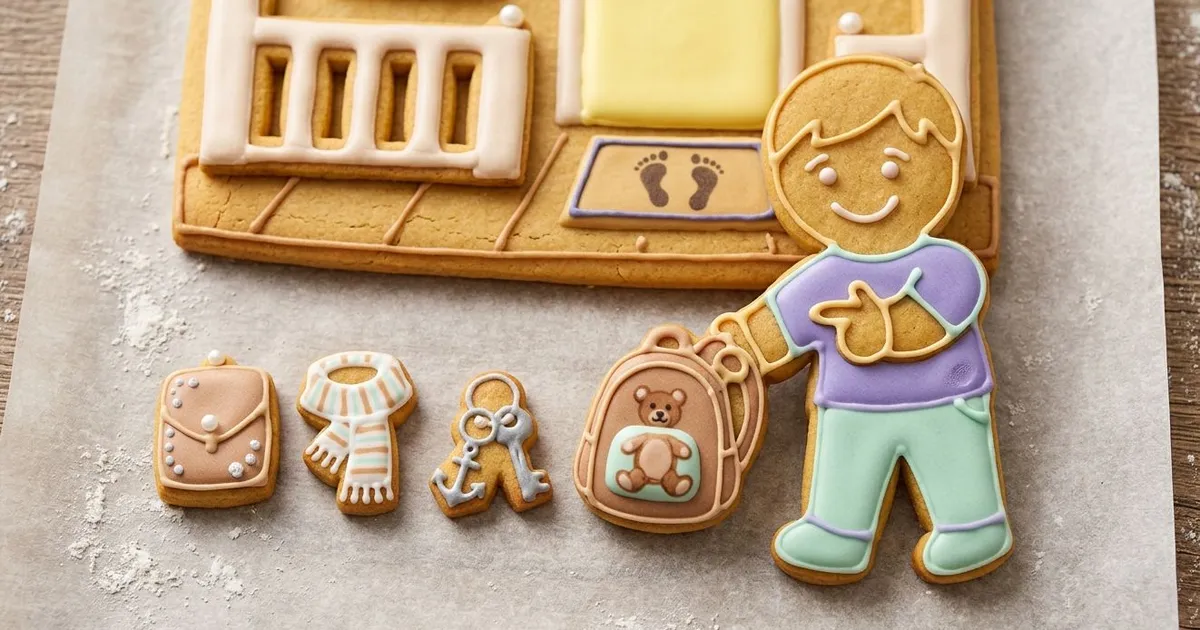
Start with owned objects: coats, pencils, cups, toys, books, or sports equipment. Put three items on a table and take turns asking and answering. Accept “Mum’s” or “mine” from young learners before modelling a full sentence. Older learners can explain: “It is Karim’s because his name is inside.”
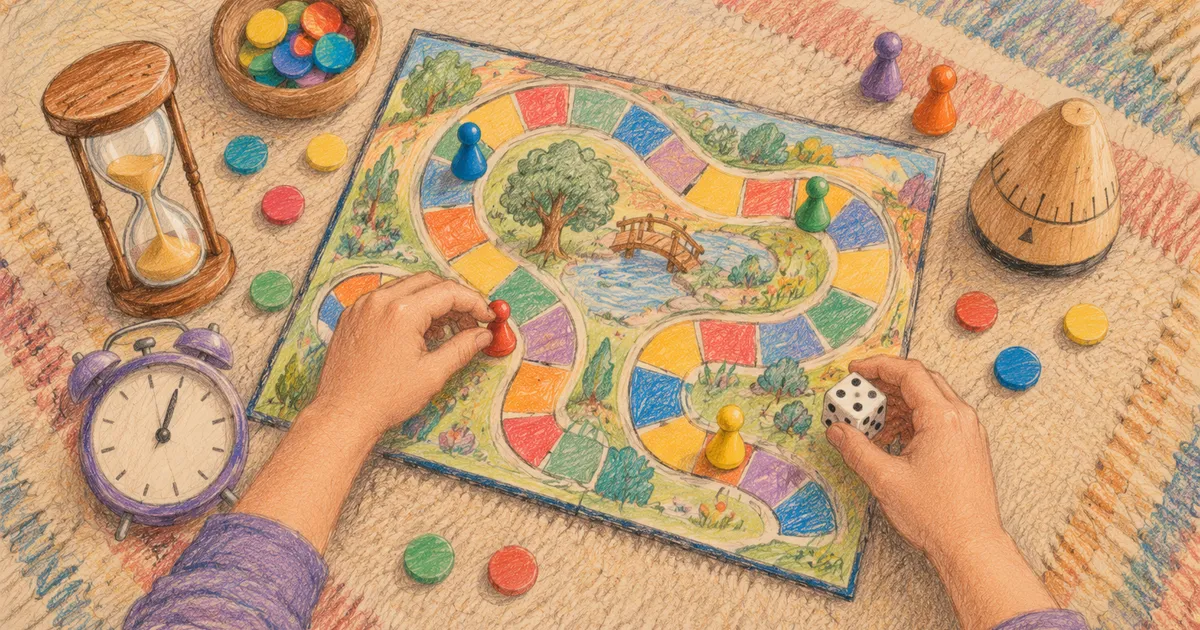
Questions with “Whose” for Kids: A Practical the child can become a family sorting game. Mix safe household objects in a basket. One player selects an item and asks; another answers with a name, possessive adjective, or possessive pronoun. LearnLink tutors can adapt the task to the child’s age, speaking confidence, and languages.
Exercise 1: Complete the Questions
Choose whose or who’s.
1. _____ notebook is on the desk?
2. _____ ready to begin?
3. _____ gloves are these?
4. _____ brought a red backpack?
5. _____ turn is next?
Answers: 1. Whose; 2. Who’s; 3. Whose; 4. Who’s; 5. Whose.
When a word has several meanings or pronunciations, Cambridge Dictionary is a useful check before turning it into child-friendly examples.
Frequently Asked Questions
At What Age Can a Child Learn Questions with “Whose”?
Children can meet “whose” through speech from about age four, especially in games with familiar objects. Terms such as “possessive pronoun” can wait. Ask, point, and answer: “Whose teddy is this?” “Mine.” Older children can study written word order, “whose” versus “who’s,” and auxiliary verbs.
Should My Child Always Answer in a Full Sentence?
No. “Dad’s,” “hers,” or “mine” sounds natural in conversation. Full sentences help children practise a new pattern. Alternate the forms: accept “Omar’s,” then model “It is Omar’s.” Children hear the complete pattern without losing a natural exchange.
Why Does “Whose” Sometimes Appear Without a Noun?
Speakers omit the noun when everyone knows the object. Holding up a scarf, a child can ask, “Whose is this?” For gloves on the floor, ask, “Whose are these?” If the object is unseen or unnamed, include it: “Whose scarf did you find?”
How Can My Child Remember the Difference Between “Whose” and “Who’s”?
Use the expansion test. Replace “who’s” with “who is” or “who has.” “Who’s calling?” becomes “Who is calling?”, confirming the apostrophe. “Whose phone is ringing?” cannot become “Who is phone is ringing?” Questions with “Whose” for Kids: A Practical the child links spelling to meaning instead of rote memorisation.
What Should I Do If My Child Keeps Using the Wrong Word Order?
Model one short pattern with real objects: “Whose book is this?” Keep “whose book” together, then change the final word: “Whose book is that?” Next change the object: “Whose hat is this?” Add plural nouns and other verbs after the pattern becomes steady. Correct errors through a calm repeat.
Want to see how these ideas work in a real lesson — try a LearnLink trial lesson.
Stay updated on our latest tips and resources by following us on Instagram LearnLink.