A Lot of and Lots of for Kids
Place either phrase before a plural countable or uncountable noun; following noun controls verb agreement: A lot of books are missing, but Lots of water is cold. Both mean “a large amount” or “a large number.” A Lot Of and Lots Of for Kids: A Practical the child highlights one tone difference: lots of sounds more relaxed.
📥 A Lot of and Lots of for Kids
Grammar Practice for Confident Everyday English
Leave your email — we'll send the PDF to your inbox.No spam — the PDF plus one short reminder. Unsubscribe anytime.
What Children Need to Understand First
Both phrases express large quantities: a lot of pencils, lots of pencils, a lot of rice, and lots of rice. Their shared pattern simplifies quantity choices.
A Lot Of and Lots Of for Kids: A Practical the child models of followed by a noun. Teach whole phrases as chunks: We have a lot of books. They drink lots of water.
Meaning first, grammar labels later. Sort six pictures into “one” and “a lot” groups, then describe each. Introduce countable noun afterward. Meaning-first practice prevents word-by-word translation.
How the Grammar Works
Either phrase precedes plural countables—separately counted items: one shell, two shells. Models include We found lots of shells, She has a lot of cousins, and the child are lots of buses.
Both phrases also precede uncountables: water, bread, homework, time, and music. A Lot Of and Lots Of for Kids: A Practical the child includes We need a lot of flour and We listened to lots of music.
Following noun controls verb agreement. Plural: Lots of games are available. Singular uncountable: Lots of food is ready. Quick check: hide quantity wording—Games are available; food is ready.
Choosing Between the Two Phrases
Positive statements accept either phrase: We saw a lot of birds and We saw lots of birds carry identical meaning. Lots of sounds conversational; a lot of suits everyday speech and informal writing.
Questions and negatives likewise accept either: Do you have a lot of homework?; We do not have lots of time. Learners may encounter many with plural countables and much with uncountables: How many tickets?; How much juice?
Formal writing may favor precise alternatives: Many families attended, much, or a large amount of. A Lot Of and Lots Of for Kids: A Practical the child introduces everyday usage first, formal options later.
Useful Rules and Age-Appropriate Examples
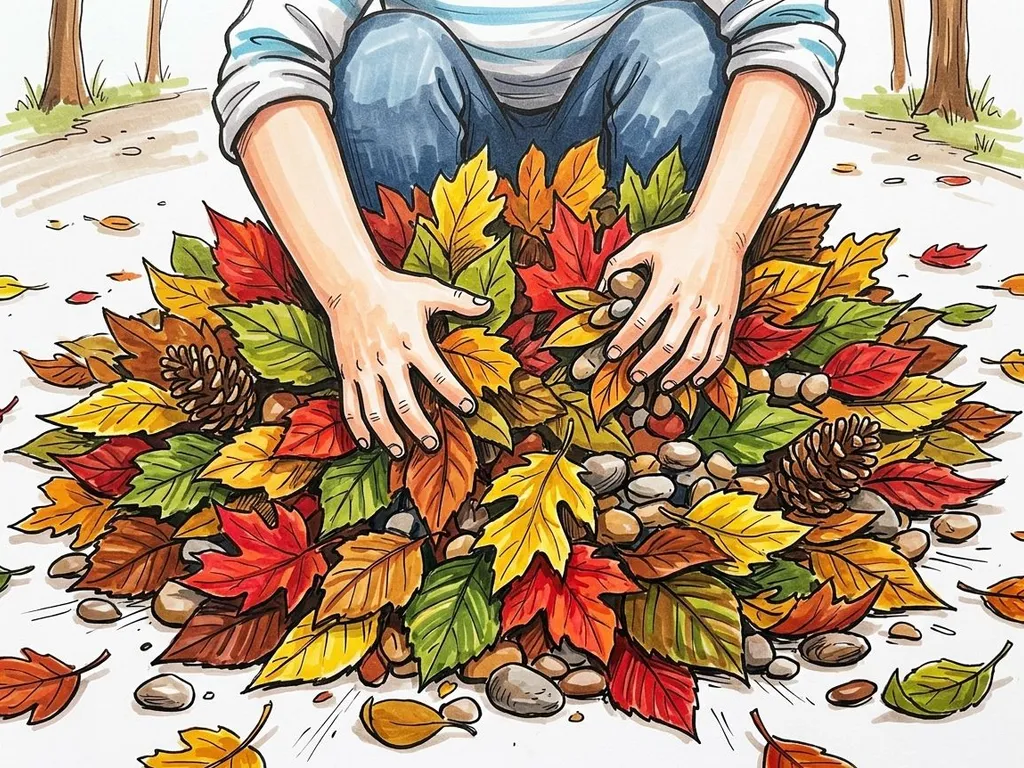
Choose visible objects; keep sentences short. Show crayons: the child are lots of crayons. Pour water into a cup: the child is a lot of water. Together, these examples contrast separate objects against one substance.
Try daily settings: Our library has a lot of comics, We eat lots of fruit, and the child is a lot of traffic near the station. A Lot Of and Lots Of for Kids: A Practical the child uses home, school, market, park, and transport examples.
School-age learners can compare register: Lots of people use this app; formal version: Many people use this app. In A lot of information is useful, is matches uncountable information.
Common Mistakes and Quick Corrections
Write a lot, never alot. Noun present? Add of: a lot of games. No noun? A lot stands alone: We practise a lot. Compare: We do a lot of practice.
Never add a before lots of. Say lots of toys, not a lots of toys. Contrast both complete choices—a lot of toys or lots of toys—then practise one.
Keep uncountables singular: a lot of advice, lots of furniture, and a lot of information, not advices, furnitures, or informations. A Lot Of and Lots Of for Kids: A Practical the child teaches complete-phrase vocabulary patterns.
Practice Activities for Home or Lessons
Use a school bag, kitchen, garden, or family photo. Create three quantity sentences: the child are lots of notebooks; We have a lot of rice; the child is not a lot of space.
Turn A Lot Of and Lots Of for Kids: A Practical the child into speaking practice. Name a beach, market, or station; a partner describes its contents. Accept either phrase, then check following noun and verb.
Fill in the Missing Phrase
Fill each blank with a lot of or lots of. Either may work.
1. We saw ______ fish in the clear water.
2. the child is ______ cheese on the plate.
3. Our class reads ______ stories.
4. They have ______ time before the bus arrives.
Answers: Either phrase works in all four sentences.
Choose the Correct Verb
Choose is or are.
1. Lots of children ______ outside.
2. A lot of soup ______ left.
3. Lots of pictures ______ on the wall.
4. A lot of work ______ finished.
Answers: 1. are; 2. is; 3. are; 4. is.
When a word carries several meanings or pronunciations, Cambridge Dictionary offers a useful check before child-friendly example writing.
Frequently Asked Questions
Is the Child a Difference Between “A Lot of” and “Lots Of”?
Meaning usually matches. Both precede plural countables and uncountables; lots of sounds more relaxed. A Lot Of and Lots Of for Kids: A Practical the child teaches complete patterns without inventing a strict difference.
Can My Child Use These Phrases in Questions and Negative Sentences?
Yes. Correct models include Do we have a lot of time? and She does not have lots of homework. Compare them with How many books?, How much water?, and Do you have a lot of books?
Why Do We Say “A Lot of Water Is” but “A Lot of Cups Are”?
Following noun controls verb agreement. Uncountable water takes is; plural cups takes are. Cover a lot of and check the remaining pair: water is; cups are.
When Should an Older Child Use “Many” or “Much” Instead?
Use many with plural countables and much with uncountables, especially for questions, negatives, and formal writing: How many pages?, We do not have much space, and Many students took part.
How Can I Help My Child Remember That “A Lot” Is Two Words?
Connect a lot with a book and a cup. Give each word a separate box, then add a noun: a | lot | of | books. Correct alot calmly when it appears.
Want to see how these ideas work in a real lesson — try a LearnLink trial lesson.
Stay updated on our latest tips and resources by following us on Instagram LearnLink.