Adjectives for Kids on Graduation Day
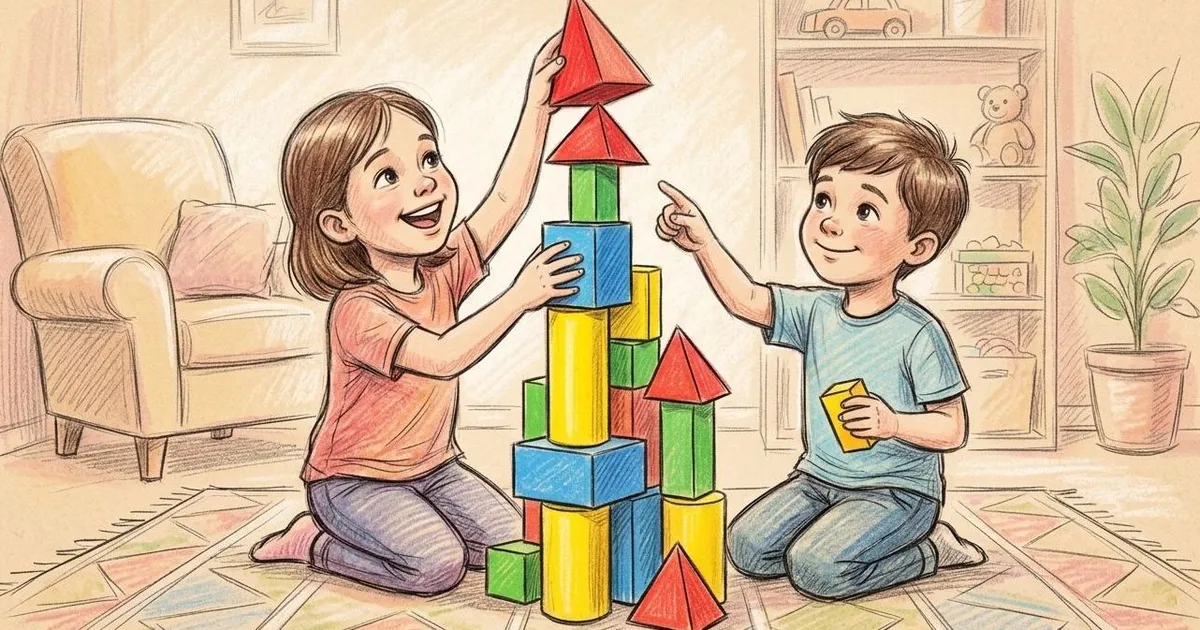
Adjectives for kids on graduation day help children describe feelings, strengths, effort, and celebration. Strong choices include happy, excited, kind, brave, hardworking, and ready. Children can use these words in a card, photo caption, class speech, or family conversation. Teach each word through a real person, action, or memory instead of a long list. vocabulary suits preschool, primary school, a language course, or another milestone and helps children express what the day means.
📥 Adjectives for Kids on Graduation Day
Useful words, sentences, challenges, and activities for a special celebration
Leave your email — we'll send the PDF to your inbox.No spam — the PDF plus one short reminder. Unsubscribe anytime.
Practical Vocabulary for the Celebration
A focused set of adjectives for kids on graduation day should cover different meanings. Feeling words describe emotions; character words name qualities; effort words show how the child learned; event words describe the ceremony or celebration.
- Feelings: proud, happy, excited, grateful, relieved, surprised
- Character: kind, brave, patient, helpful, curious, creative
- Effort: hardworking, focused, careful, determined, persistent
- Growth: confident, independent, responsible, ready, hopeful
- The occasion: special, joyful, festive, memorable, meaningful
I feel excited today.
You are a kind friend.
I was brave on stage.
You did careful work.
I feel confident now.
I am ready to begin.
Begin with words that match the child’s experience. A five-year-old may understand happy, kind, and excited before persistent or meaningful. A multilingual child may know the concept in another language. Comparing languages adds a new label for a familiar feeling or quality instead of teaching the concept from zero.
Put Each Adjective into a Useful Sentence
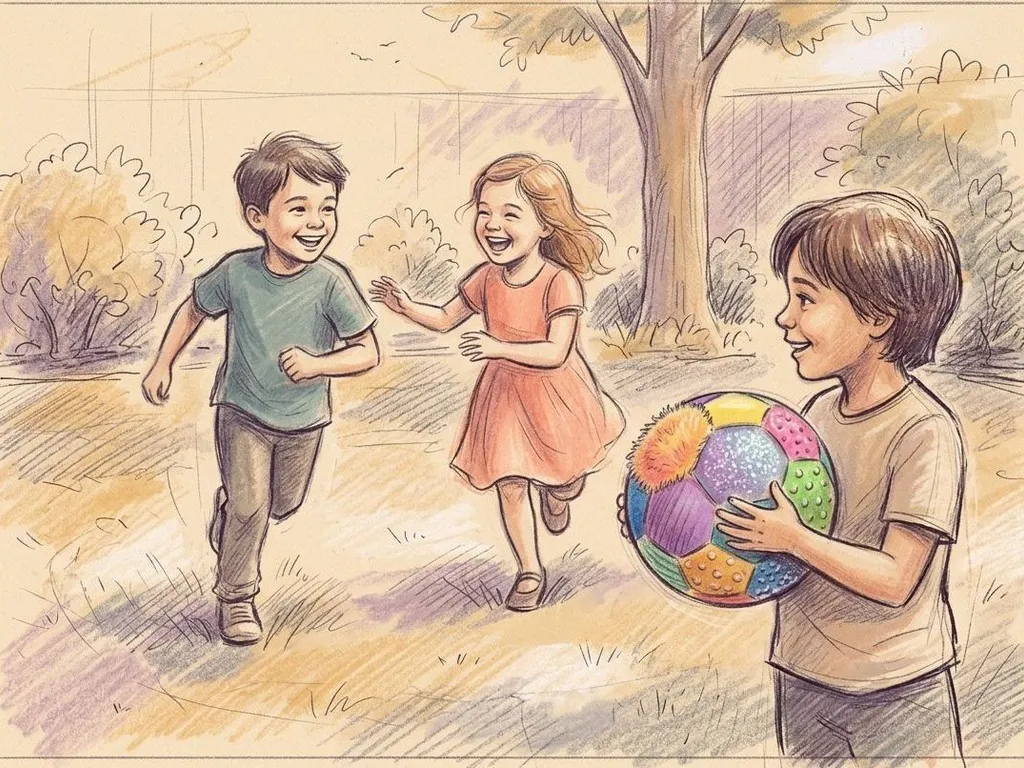
When practising adjectives for kids on graduation day, teach a short sentence with each new word. Context makes the word easier to remember. Children can describe themselves, another person, their work, or the event.
Ask for evidence when the child is ready. After “You are helpful,” add, “You shared your pencils and explained the game.” The example defines the adjective and keeps praise honest and specific.
Children can join ideas with and or contrast them with but: “I was nervous but relieved,” or “The ceremony was short and cheerful.” These combinations express mixed feelings naturally. Graduation can feel exciting, tiring, happy, and slightly sad at the same time.
Choose the Right Challenge for Each Age
For school-age kids, use pictures, faces, gestures, and one short pattern such as “I feel excited.” Let the child point before speaking. Repeating one understood sentence works better than testing new words in one sitting.
For school-age kids, add reasons: “I am confident because I learned to read this book.” Children can sort words into feelings, qualities, effort, and events, then choose two adjectives for a card or caption. In LearnLink lessons, tutors support complete answers while keeping speaking tasks manageable so each child can participate confidently.
For ages 10–12, compare close meanings such as happy and grateful, or hardworking and determined. Teenagers and school-age kids can use the words in a speech, thank-you note, or reflection. Replace broad praise such as “It was nice” with “It was meaningful.”
Turn Graduation Vocabulary into Activities
These activities turn adjectives for kids on graduation day into practical language. Keep the mood playful and permit drawing or acting when writing slows the child down.
- Adjective medal: Make a paper medal and write one quality in the centre. The child adds an example: “Brave—I spoke on stage.”
- Photo caption: Choose a graduation or school photo. Write a caption with one feeling word and one event word: “A happy child on a special day.”
- Word suitcase: Draw a suitcase for the next school year. Fill it with qualities the child wants to carry forward, such as curious, patient, and ready.
- Mini speech: Complete three prompts: “I feel…,” “I am proud of…,” and “Next, I am ready to….” Say the speech to a family member or record it once.
Choose the Right Graduation Adjective
Use proud, careful, ready, or memorable: “I checked every page, so I was ___.” “My family felt ___ of me.” “It was a ___ celebration.” “I am ___ for my next class.” Answers: careful, proud, memorable, ready.
Stop while the child remains engaged. A handful of understood sentences is enough. Revisit the vocabulary when making a card, viewing photographs, or preparing for the next school year.
Practise Correctly and Fix Common Mistakes
Children need to hear each adjective in the correct pattern. Model a sentence, then let them adapt it: “I feel excited.” “I feel grateful.” Correct the key word or pattern without interrupting every small error.
Practise the difference between excited and exciting. A child is excited; the ceremony is exciting. Connect the forms: “The show was exciting. We were excited.” The pattern works with surprised and surprising.
Avoid praise the child cannot explain. After they choose determined, ask what they continued doing when the work became hard. The follow-up checks meaning and helps the child create a true sentence instead of repeating an attractive word.
- Practice five adjectives for kids on graduation day with your six-year-old.
- Use a picture book to spot three mismatched adjective and noun combinations.
- Correct one mistake by saying the full sentence slowly, then repeat twice.
- Compare two adjective choices and ask your eight-year-old which sounds more accurate.
- Write four graduation compliments, checking adjective order and meaning before sharing.
For the rule wording, Wikipedia — English Grammar is a useful reference while the practice examples here stay adapted for children.
Frequently Asked Questions
How Many Graduation Adjectives Should a Child Learn at Once?
For most beginners, choose three to five adjectives for kids on graduation day and practise them in short sentences. Younger children may use only two words during one activity. Add words after the child understands, says, and applies the first set. A small active vocabulary works better than a long unused list.
Can Young Children Understand Words Such as Determined and Grateful?
Yes, when words connect to actions. Explain determined as “you kept trying when the work was hard.” Explain grateful as “you feel thankful for someone’s help.” Use a picture, gesture, or example from the child’s week. If explanation outweighs practice, choose a simpler word and revisit the harder one later.
How Should We Correct Adjective Mistakes During a Celebration?
Keep corrections brief and warm. Repeat the sentence correctly, then invite another attempt: “Yes, you feel proud.” Do not turn a family event into a grammar test. Correct errors that change meaning, such as exciting instead of excited, and save minor slips for later practice.
What If Our School Does Not Hold a Formal Graduation Ceremony?
The words fit the end of a term, completed course, class performance, or move to a new school. Families can mark the milestone with a note, photograph, meal, or short conversation. Discuss what the child completed, how they grew, and what comes next. English should fit the family’s customs without copying one ceremony.
- Start small: Choose three useful adjectives that match the child’s experience.
- Practise aloud: Put each word into one short, accurate sentence.
- Try a real task: Use the sentences in a card, caption, or mini speech.
Want to see how these ideas work in a real lesson — try a LearnLink trial lesson.
Stay updated on our latest tips and resources by following us on Instagram LearnLink.