Adverb Examples for Kids
An adverb tells how, when, where, or how often an action happens: runs quickly, reads now, sits outside, practises daily. This adverb examples for kids guide gives clear rules, child-friendly examples, and quick home practice without a grammar lecture. Adverbs sharpen speech and writing, so “I walked” becomes “I walked slowly to the door.” Once children spot the verb, ask: what action detail does this word add?
What Is an Adverb?
An adverb gives more information about a verb, an adjective, or another adverb. With younger children, start with verbs. The verb names action: jump, read, speak, draw, wait. The adverb adds detail: jump high, read quietly, speak clearly, draw carefully, wait patiently.
Strong adverb examples for kids stay short, concrete, and active. Ask your child to “walk slowly,” then “walk quickly.” Movement shows the change. Grammar works best when meaning becomes clearer.
The Four Main Questions Adverbs Answer
Most adverbs answer four practical questions: how, when, where, or how often. In “The dog barked loudly,” ask, “How did the dog bark?” The answer, “loudly,” marks the adverb.
For school-age kids, use home and school actions: eat, sleep, play, read, sing, tidy, wait. For older children and teens, add sharper verbs: whisper, argue, revise, explain, compete, investigate. The rule stays steady.
Adverbs of Manner: How Something Happens
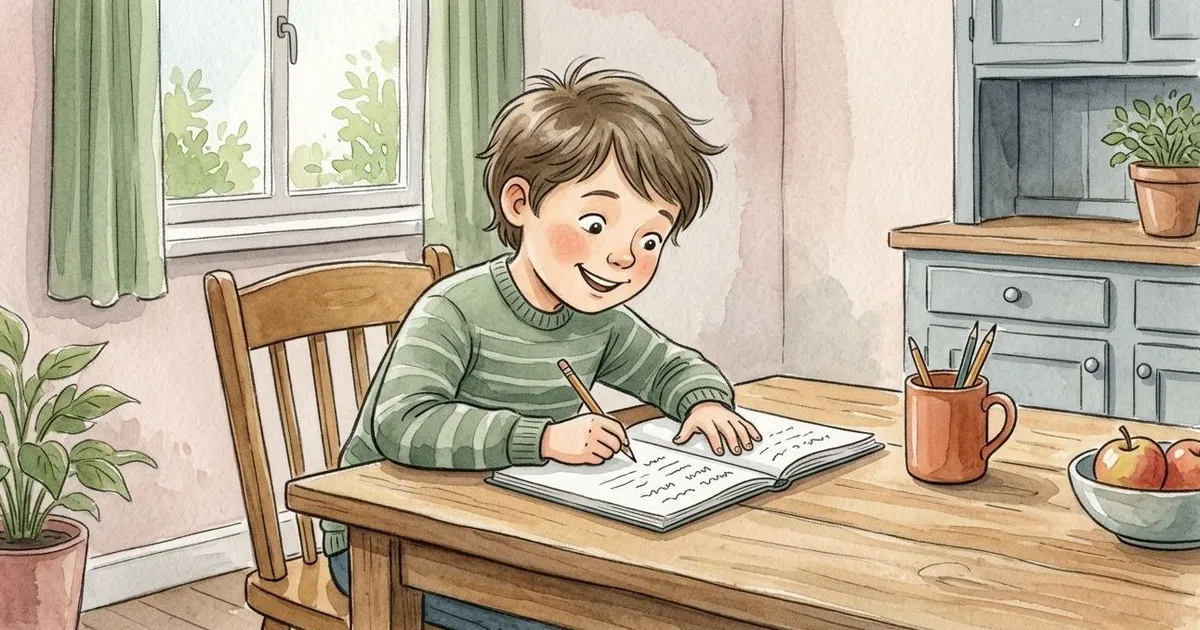
Adverbs of manner often make the clearest adverb examples for kids because many end in -ly: slowly, carefully, happily, neatly, loudly. They explain action style. “She painted carefully” says more than “She painted.” “He answered politely” says more than “He answered.”
Not every adverb ends in -ly. In “Run fast,” fast acts as an adverb. In “Work hard,” hard acts as an adverb. These words can confuse children because adjective use also exists. A fast train uses fast as an adjective; run fast uses fast as an adverb.
Examples include: The baby slept peacefully. The team played well. The child opened the box carefully. The class listened quietly. The boy shouted angrily. The girl smiled kindly. These adverb examples for kids show feeling, speed, care, and action quality.
Practice: Choose the Adverb
Find the adverb: 1. The child spoke clearly. 2. We walked home slowly. 3. She packed her school bag carefully. 4. He laughed loudly. 5. The cat jumped high. Answers: clearly, slowly, carefully, loudly, high.
Adverbs of Time and Place
Adverbs of time tell when something happens. Examples are today, yesterday, tomorrow, now, later, soon, early, and already. A child might say, “I finished already,” or “We are going soon.” These words order events and support storytelling.
Adverbs of place tell where something happens. Examples include here, there, outside, inside, upstairs, downstairs, nearby, and away. They fit family talk: “Come here,” “Play outside,” “Put your shoes there,” or “The keys are upstairs.”
When teaching adverb examples for kids, keep time and place separate first. Ask one question: “When did it happen?” or “Where did it happen?” Then mix them: “We played outside yesterday.” Outside tells where; yesterday tells when.
Adverbs of Frequency: How Often Something Happens
Adverbs of frequency tell how often an action happens. Children meet these words early because habits need them: always, often, sometimes, rarely, never, daily, weekly. They fit school talk, routines, hobbies, and family schedules.
Word order matters. Beginner practice usually uses “She often reads before bed,” not “She reads often before bed.” With the verb be, the adverb follows: “He is always kind,” “They are sometimes late.” This pattern helps children sound natural.
Use a family calendar or weekly routine to make adverb examples for kids meaningful. “We often eat breakfast at seven.” “You sometimes draw after school.” “The lesson always starts with a warm-up.” These sentences connect grammar to real life without fixed claims.
Practice: The Child a Frequency Adverb
Choose always, sometimes, or never. 1. I ___ brush my teeth before bed. 2. We ___ eat pancakes on Sunday. 3. A fish ___ rides a bicycle. 4. She ___ asks good questions. 5. He ___ forgets his water bottle. Possible answers depend on meaning, but sentence 3 is never.
Where Adverbs Go in a Sentence
Adverb position depends on adverb type. Manner adverbs go after the verb or object: “She read quietly,” or “She read the story quietly.” Frequency adverbs often go before the verb: “He often plays chess.” With be, they go after it: “She is calm.”
Time adverbs can sit at the beginning or end. “Tomorrow, we will visit Grandma” and “We will visit Grandma tomorrow” both work. For children, end position feels simpler. Later, front position can show emphasis.
Adverb examples for kids should show position, not only meaning. Compare: “Carefully, he carried the glass” and “He carried the glass carefully.” “Yesterday, we watched a film” and “We watched a film yesterday.” Both pairs are correct; the second form suits beginners.
Common Mistakes Children Make with Adverbs
One common mistake uses an adjective where an adverb belongs: “She sings beautiful” instead of “She sings beautifully.” Use a question. What is beautiful? Her voice may be beautiful. How does she sing? Beautifully. The question points toward the right form.
Another mistake assumes every -ly word is an adverb. Words such as friendly and lovely are adjectives: “a friendly child,” “a lovely picture.” They describe nouns, not actions. This exception suits older children.
Children can overuse dramatic adverbs in stories. Too much “suddenly,” “quickly,” and “loudly” feels crowded. Encourage meaning-first choices. “She whispered nervously” works when nervous feeling matters. When the verb already carries the meaning, drop the adverb.
How Parents Can Practise Adverbs at Home
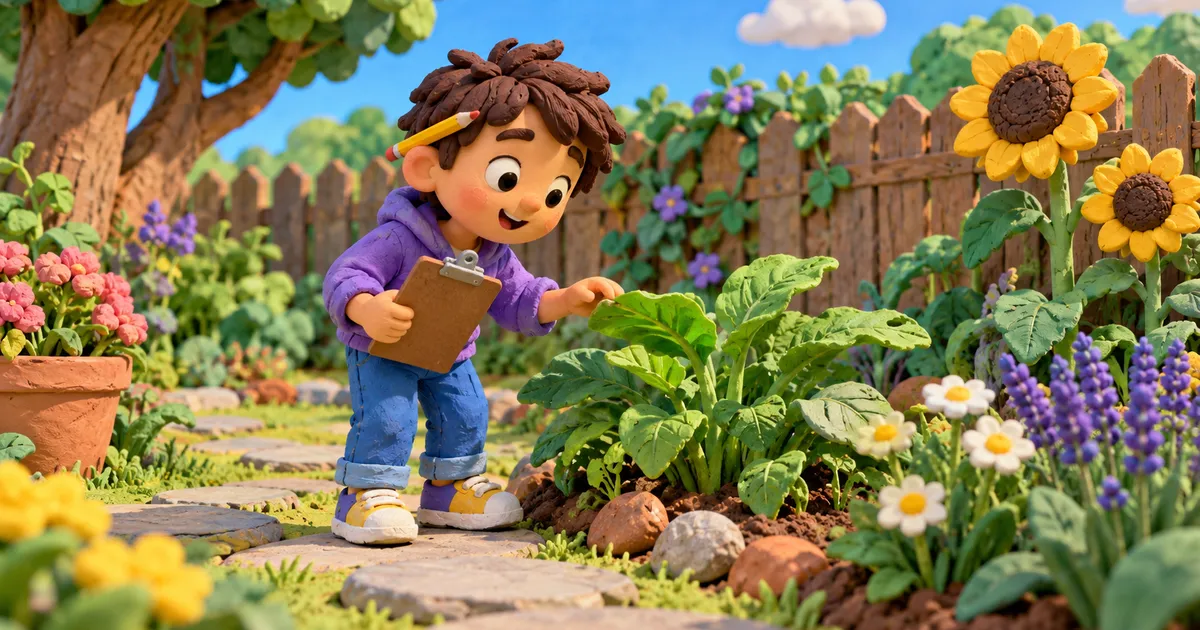
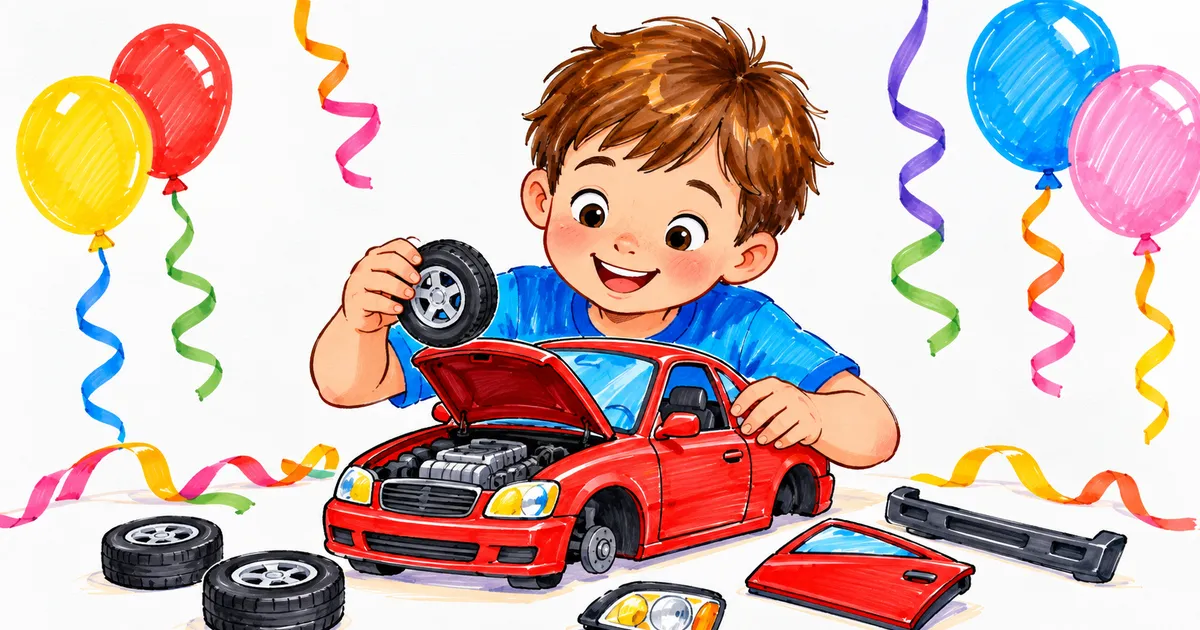
Short practice beats long correction. During reading, choose one page and ask your child to find one action word and one adverb. During play, give two instructions: “Draw quickly” and “Draw carefully.” Ask what changed. This keeps grammar tied to movement and meaning.
For bilingual or multilingual children, do not worry when another home language uses a different adverb pattern. Children can compare language systems when adults keep the English rule clear. Say, “In English, this word often goes here,” then give two examples.
In lessons for learners aged 4-15, adverb examples for kids can appear in speaking, reading, and writing tasks. A younger learner may act out “walk slowly” or “jump high.” An older learner may revise “The character answered” by adding “calmly,” “rudely,” or “honestly,” depending on story meaning.
Practice: Improve the Sentence
the child one adverb. 1. The child opened the door. 2. We finished our homework. 3. The teacher explained the rule. 4. My brother ran to the bus. 5. I will call you. Possible answers: quietly, already, clearly, quickly, later.
Useful Adverb Examples for Kids by Level
Beginners need words they can hear and use immediately: now, here, there, fast, slowly, loudly, quietly, today, soon, always, never. These adverb examples for kids fit classroom commands, games, family routines, and simple stories.
Middle learners can add exact choices: carefully, politely, sometimes, early, late, upstairs, nearby, clearly, suddenly, safely. These adverb examples for kids support longer sentences and help children explain what happened, how it happened, and when it happened.
Older children and teens can use adverbs to shape tone: confidently, reluctantly, awkwardly, gradually, rarely, frequently, previously, eventually. These adverb examples for kids help in stories, opinions, presentations, and school writing. The aim is not fancy sound; the aim is the right reader picture.
- Try five simple adverbs with your 6-year-old after reading one picture book.
- Practice changing three plain sentences by adding carefully, quickly, or happily.
- Use a timer and let your 8-year-old act out ten adverbs.
- Ask your child to find adverbs in two pages of today’s reading.
- Review one adverb level each day and praise correct spoken examples.
For the rule wording, Wikipedia — English Grammar is a useful reference while the practice examples here stay adapted for children.
Frequently Asked Questions
What Is the Easiest Way to Explain Adverbs to a Child?
Start with action. Say that an adverb tells more about a verb: how, when, where, or how often something happens. Use movement first: walk slowly, clap loudly, sit here, start now. These adverb examples for kids beat abstract definitions because children can see and feel the difference.
Data current as of July 2026.
At What Age Should Children Learn Adverbs?
Children can use simple adverbs in speech before they can name the grammar. School-age kids understand phrases such as “come here” or “speak quietly.” Formal labels can come later, often in primary school. Best age depends on reading level, attention span, and language background. Start with adverb examples for kids matching daily speech.
How Can I Tell If a Word Is an Adverb or an Adjective?
Ask what the word describes. If it describes a noun, it is an adjective: “a quiet room.” If it describes an action, it is an adverb: “She spoke quietly.” This test helps children check meaning before endings such as -ly. Keep adverb examples for kids action-based until the difference feels easy.
Do All Adverbs End in -Ly?
No. Several adverbs end in -ly, such as slowly and carefully, but several do not. Fast, hard, here, there, now, soon, always, and never can all work as adverbs. This is why children should learn the question test: how, when, where, or how often? That test keeps adverb examples for kids practical.
How Many Adverbs Should My Child Use in Writing?
There is no fixed number. One strong adverb can improve a sentence, but too many can make writing heavy. Try this three-step check with adverb examples for kids: 1. Read the sentence aloud. 2. Ask, “Does this word add meaning?” 3. Keep the adverb only when it makes the action clearer. LearnLink was founded in 2024 and now supports 4,000+ families with 200+ tutors across 100+ countries.
Want to see how these ideas work in a real lesson — Try a trial lesson with LearnLink.
Stay updated on our latest tips and resources by following us on Instagram LearnLink.