Animals Vocabulary for Kids
Learning animals vocabulary is an essential step for children acquiring English. It provides fun, relatable words for describing their world, from pets to picture book creatures. LearnLink finds a strong animals vocabulary builds confidence and deepens engagement with stories and nature. This guide offers a structured, effective introduction to animals vocabulary.
📥 Animal Words Practice Pack
Learn, sort, and use animal vocabulary with kid-friendly word groups and a weekly practice tracker.
Leave your email — we'll send the PDF to your inbox.No spam — the PDF plus one short reminder. Unsubscribe anytime.
Why Animals Vocabulary Matters
Start with these core words and short examples before adding more specific vocabulary.
The dog runs in the park.
The cat sleeps on the chair.
The rabbit eats a carrot.
The bird sings in the tree.
The fish swims fast.
The horse lives on a farm.
The cow eats grass.
The duck walks near the pond.
Animals vocabulary is powerful for young learners. First, animals are a high-interest topic. Natural curiosity makes words like 'lion', 'dog', 'fish' engaging. Early exposure to elementary vocabulary connects language to the tangible world, a core principle of early education. Our tutors find animal-focused lessons consistently hold attention.
Second, animals vocabulary teaches concepts, not just words. Children categorize (farm vs. jungle animals), describe ('big' elephant, 'small' mouse), and understand habitats. These skills precede scientific thinking, improving observation and articulation. This builds a foundation for more complex English for primary school.
What You'll Find in This Guide
This article provides a path for teaching animals vocabulary. We avoid word dumps. Instead, we present a structured framework for parents and educators. We group animal words into themes: farm, wild, sea animals. This method helps children build mental connections, easing recall.
Find practical strategies for practicing animals vocabulary daily. Strategies include game ideas, conversation starters, and tips for using media like books and documentaries. Our goal: equip you with tools to introduce and reinforce this essential animals vocabulary. We explain expanding beyond basic animals vocabulary to include action words ('the bird flies') and descriptive adjectives ('the slow turtle').
A Step-by-Step Approach to Teaching Animal Words
A structured approach to animals vocabulary prevents overwhelm, builds confidence. We recommend a three-stage process, proven effective across thousands of our lessons. This method respects cognitive development, making learning natural.
First, start with farm animals vocabulary. Words like 'cow', 'pig', 'chicken', 'sheep' are excellent starting points due to sounds and frequent media appearance. Focus on recognition and pronunciation. Second, once mastered, introduce more complex animals vocabulary by theme: jungle animals ('monkey', 'tiger') or sea creatures ('fish', 'whale'). Finally, connect the nouns to verbs and adjectives. For example, move from 'cat' to 'the black cat is sleeping'. This progression reinforces core animals vocabulary while building sentence structure skills. This structured learning is a core part of any English homeschool curriculum.
Practical Examples for Kids
Practical ways to present animals vocabulary: Tables organize information. Below is a table of farm animals vocabulary, a solid starting point for young learners.
After comfort with farm animals, move to wild animals. This table organizes jungle and forest animals vocabulary, exciting children's imaginations. These are part of the 100 most common English words for kids.
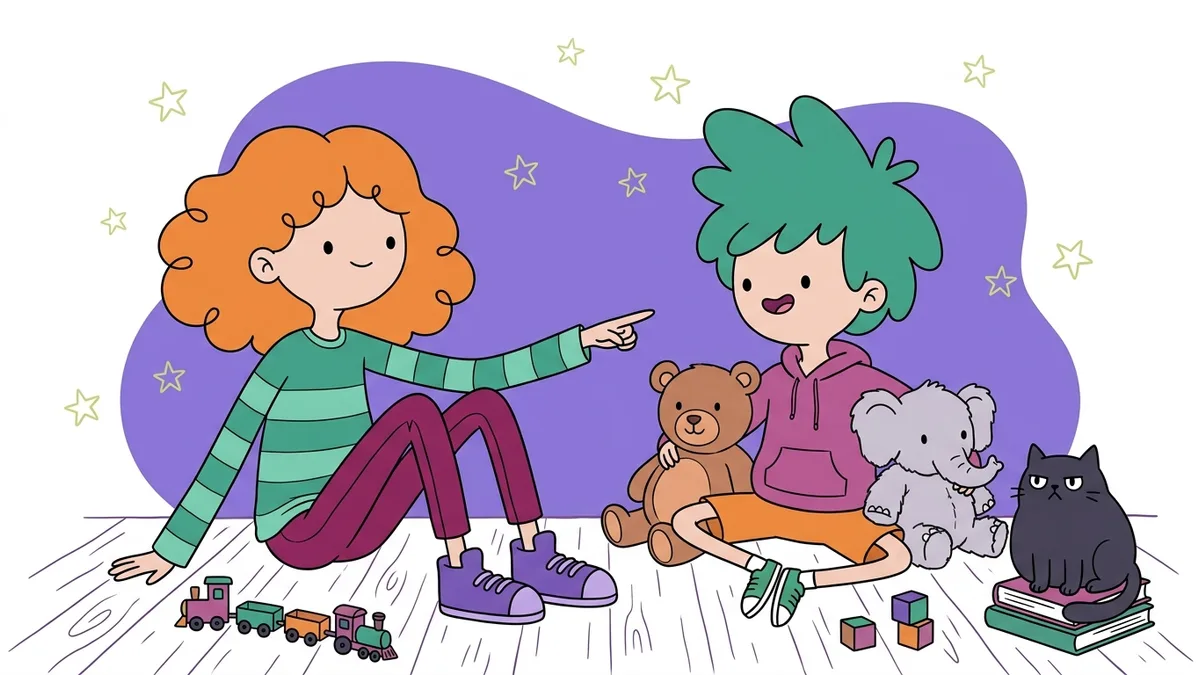
A picture dictionary is a great visual aid for learning animals vocabulary. Context is everything when teaching animals vocabulary; connect the word to a picture, sound, or real-life object.
Tips for Parents and Teachers
Beyond lists, daily activities make animals vocabulary stick. Repetition in engaging contexts is key. First, use songs and rhymes. 'Old MacDonald Had a Farm' is a classic; it combines animal names with sounds, reinforcing memory. Many YouTube channels for learning English have animated versions of these songs.
Second, read books. Reading books introduces new animals vocabulary in story context. Point to pictures, say the animal's name clearly. Ask questions like, 'What does the bear see?' to encourage participation. This improves English reading skills for kids.
Third, use the real world. A trip to a farm, zoo, or park provides countless opportunities. As you walk, point out and name animals. This reinforces animals vocabulary as you see creatures. If you see a squirrel, say 'Look, a fast squirrel!' This connects vocabulary to memorable, real-world experience. Also play fun games to learn English like 'I Spy' with animal toys.
Fourth, get creative with arts and crafts. Drawing animals, making animal masks, or using animal-shaped stamps are playful ways to review words. This makes learning animals vocabulary feel like a game, not a lesson. These fun vocabulary games and activities are effective.
Quick Recap and Next Steps
Mastering animals vocabulary opens a new world of communication for your child. A consistent, playful, structured approach is key. To make learning animals vocabulary effective, review these points:
- Start with familiar animals — Begin with farm animals and pets before moving to wild or exotic ones.
- Use themed groups — Teach animals in categories like 'jungle', 'sea', or 'forest' to help with memory and association.
- Connect words to context — Use songs, books, real-world trips, and games to make the vocabulary meaningful and memorable.
- Build sentences gradually — Move from single words ('lion') to simple phrases ('a big lion') to full sentences ('the big lion is sleeping').
These steps provide a solid foundation for a rich, useful vocabulary in English. Kids English speaking practice starts with a strong vocabulary base.
When a word has several meanings or pronunciations, Cambridge Dictionary is a useful check before turning it into child-friendly examples.
Frequently Asked Questions
What's the Best Age to Start Teaching Animals Vocabulary?
Start as early as age one or two. At this stage, learning is exposure and recognition. Use picture books and sounds. For children, begin structured learning with categories and simple sentences. Key: make it age-appropriate, fun, without pressure. The best time to teach animals vocabulary is when a child shows interest in animal pictures.
How Many New Animal Words Should We Learn Each Week?
For young learners (school-age kids), introduce three to five new words per week. This pace allows enough repetition for long-term memory without frustration. Focus on mastering a small set of words through activities before moving to the next group.
Should I Use My Native Language to Explain the Words?
Yes, especially for beginners. Using the child's native language for a quick translation is helpful. This is called scaffolding. Say the English word ('dog'), show a picture, then say the word in your language. Over time, as confidence grows, phase out native-language support, encouraging English thought.
My Child Keeps Mixing up Similar Animals, Like a Seal and a Sea Lion. What Should I Do?
This is common. Highlight a single difference. For example, say: 'Sea lions have visible ears; seals don't.' Use side-by-side pictures. Don't over-correct; gently model the correct word. With repeated exposure, they will distinguish them.
Ready to see how our expert tutors can make learning fun — book a trial lesson with LearnLink and watch your child's vocabulary grow.