Be Going to Sentences and Usage for Kids
Be going to: Sentences and Usage for Kids covers one of the first future structures children learn. The pattern — a form of be + going to + any verb — lets kids share decided plans ("I am going to draw a cat") and make visible-evidence predictions ("It is going to rain"). Both uses appear below with examples your child can practise right away.
📥 Be Going to Sentences and Usage for Kids
Future plans, intentions, and predictions with clear practice
Leave your email — we'll send the PDF to your inbox.No spam — the PDF plus one short reminder. Unsubscribe anytime.
What Children Need to Understand First
Before grammar, kids need the concept: "be going to" signals a future already in motion — a nameable plan or a visible sign, not a wish. A five-year-old grasps this through pictures: a packed bag means "We are going to travel," a full plate means "He is going to eat."
Anchor it in real life: ask your child what she is going to do after lunch and let her answer with a real plan. Be going to: sentences and usage for kids lives in pointable moments, not abstract timelines — concrete beats clever at this age.
How the Grammar Works
The pattern is always subject + be + going to + verb. "Be" agrees with the subject — am, is, or are — while "going to" and the main verb never change: "I am going to sing," "She is going to run," "They are going to help."
Children learn faster with a fixed shape: "going to" never changes regardless of speaker, which makes be going to: sentences and usage for kids feel approachable early. Master the three "be" forms first, then add any verb the child likes.
Rules and Examples
Three sentence types to show your child — positive, negative, and question — each keeps "going to" fixed and shifts only "be."
Say each row aloud and swap the verb each time: bake, jump, read, feed the cat — one frame, many actions. LearnLink tutors build this exact ladder, one change at a time, so your child never faces two new things at once. That's the clearest path through be going to: sentences and usage for kids.
"Be Going to" or "Will"?
Kids often meet "will" at the same time. Use "be going to" for earlier plans or visible-evidence predictions; use "will" for on-the-spot decisions or promises. "I am going to visit Grandma" — already set; "I will help you" — decided just now.
Don't push this contrast with young children. A four-year-old needs only "be going to" for plans; save the distinction for a seven- or eight-year-old. Confidence with one pattern is the whole point of be going to: sentences and usage for kids.
Common Mistakes and Easy Fixes
The most frequent slip: dropping "be." Children say "I going to play" instead of "I am going to play." Fix it by clapping the missing word — "I — am — going to play" — giving the gap a sound the ear learns to expect.
A second mistake is changing the main: inflecting the verb — "She is going to runs." After "going to," the verb stays plain: no -s, no -ed. A third slip is writing "gonna" — fine in speech, wrong on paper. Gentle repetition clears all three faster than correction lectures.
Fill in the Blank
Add the right form of "be" (am / is / are): 1) I ___ going to paint. 2) The dog ___ going to bark. 3) We ___ going to sing. 4) You ___ going to win. 5) She ___ going to sleep. (Answers: am, is, are, are, is)
Practice Activities for Home
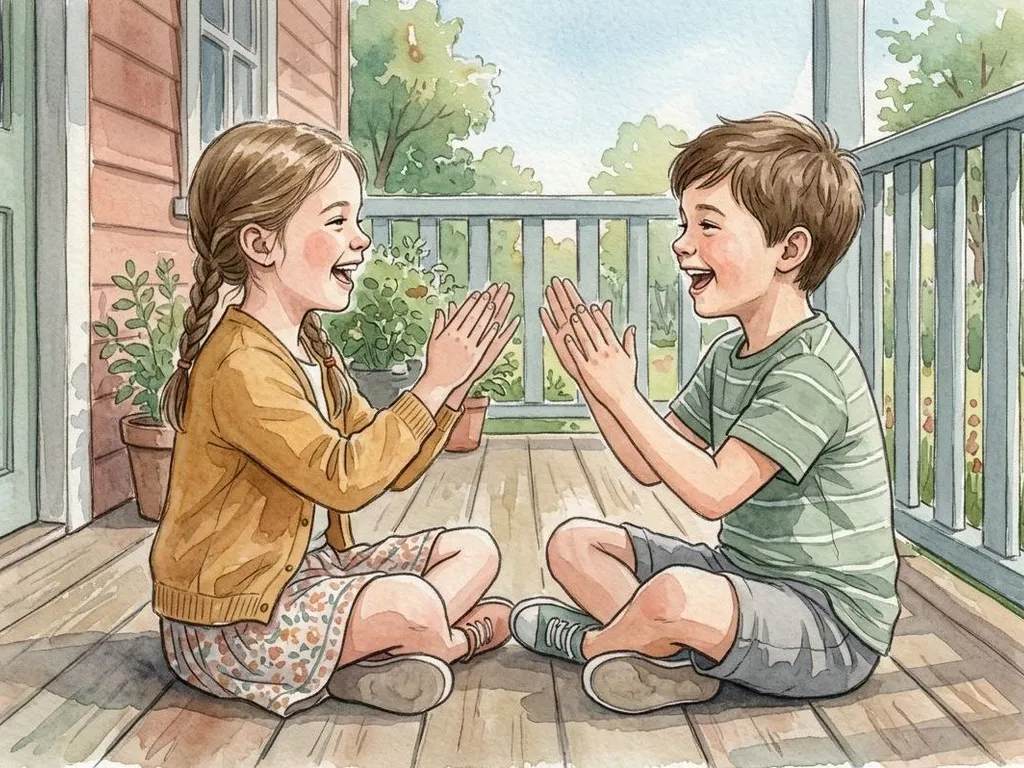
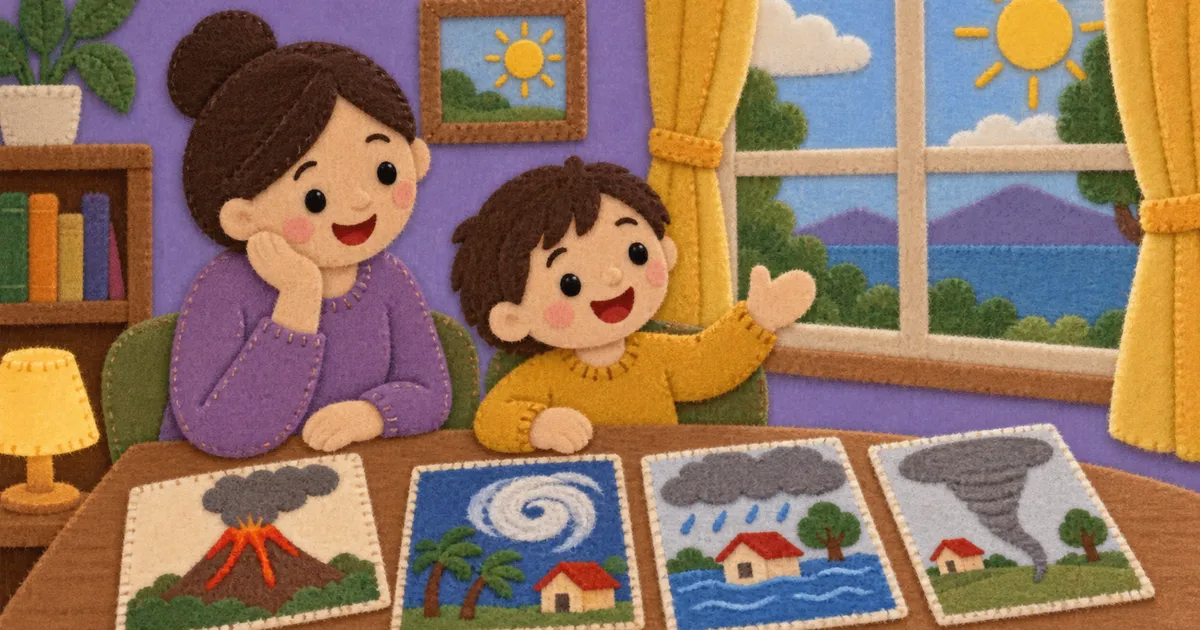
Turn any window into a grammar game: "That cloud is dark — it is going to rain," "The bird is low — it is going to land." Each prediction is a full sentence; the child sees the evidence making "be going to" the natural choice.
Try the "plan bag": put toys in a bag; your child pulls one and states a plan — a ball becomes "I am going to throw it," a spoon becomes "I am going to eat." Physical games cement be going to: sentences and usage for kids because each sentence connects to something in hand. Ten minutes daily beats an hour once a week.
Make It a Question
Turn each plan into a Yes/No question. Example: "He is going to jump." → "Is he going to jump?" Now you try: 1) They are going to dance. 2) You are going to help. 3) She is going to draw. (Answers: Are they going to dance? / Are you going to help? / Is she going to draw?)
For the child-development context behind this advice, American Academy of Pediatrics gives a broader reference point for parents.
Frequently Asked Questions
At What Age Can My Child Start Using "Be Going To"?
Most children handle simple plans by age four or five. Start with positive sentences tied to imminent events — "I am going to eat," "We are going to play" — then add negatives and questions can wait until the positive form feels natural. Three solid sentences beat half-knowing ten.
Across LearnLink Lessons, Our Tutors Help Children Build Confident, Everyday English Step by Step.
Teach "be going to" first — it links to concrete plans and visible clues, which younger children grasp faster than the on-the-spot choices "will" marks. Once "be going to" feels automatic, introduce "will" for promises and quick decisions. Be going to: sentences and usage for kids as a first future form builds a steady base for everything after.
Is "Gonna" Wrong?
"Gonna" is normal relaxed speech — native speakers use it every day — but wrong in schoolwork, tests, or writing. Teach your child: the ear hears "gonna," the hand writes "going to." That split, learned early, prevents confusion once reading and writing begin.
How Do I Fix the Missing "Am" or "Is"?
Dropping "be" fades with rhythm, not scolding. When your child says "I going to run," echo it with a pause on the missing word: "You are going to run." Repeated correct models outperform error-pointing. Songs and chants stressing am, is, and are help the sounds settle.
How Much Practice Does My Child Need?
Short and often works best: five to ten minutes daily — a window prediction, a plan game, a few sentences at dinner — beats one long weekend drill. Children build grammar through many small through real use, not worksheets alone. Fold "be going to" into everyday talk about tomorrow and the pattern grows naturally.
If your child needs steady speaking practice, start small — choose a trial lesson.
Stay updated on our latest tips and resources by following us on Instagram LearnLink.