Book Reports for Kids: A Practical Guide

A book report shows what a child read, understood, and thought about a book. Book Reports for Kids: A Practical Guide breaks the task into steps: record details, summarise events, describe a character or idea, and support an opinion with textual support. Younger children may speak or draw before writing. Older children can organise paragraphs and examine the author’s choices. The goal is thoughtful reading, not a long plot retelling.
What Children Need to Understand
A book report is not a memory test. It shows that a child can identify what matters and explain it. Before writing, your child should know the title and author, the setting, who or what drives the action, and which problem or question shapes the book.
Book Reports for Kids: A Practical Guide separates three skills children often mix together. A summary tells what happens. A response gives an opinion. An analysis explains how details from the text support an idea. For example: “The fox leaves the forest” is summary. “The ending felt fair” is response. “The fox returns the food, which shows that it has changed” is analysis.
For a factual book, the focus changes. Instead of plot and characters, the child identifies the subject, central ideas, facts, and information structure. A report about oceans might explain three new facts and identify the diagram that made one fact easier to understand.
Turn Reading into Useful Notes
Good reports begin during reading. In Book Reports for Kids: A Practical Guide, notes stay brief to avoid interrupting the story. After each chapter or session, ask your child to record one event, one question, and one striking detail. Use a sticky note, notebook, or voice recording.
Children aged five to seven may draw the beginning, middle, and end, then explain each picture aloud. A parent can record the child’s words without improving them. Children aged eight to ten can add labels such as “problem,” “choice,” and “result.” Older learners can note quotations, page numbers, patterns, and changes in a character’s actions.
A multilingual child may discuss a difficult idea first in the language that supports accurate thinking, then shape the report in English. This separates the intellectual task from the language load. LearnLink tutors can also help children rehearse sentences aloud before writing.
Build the Report from Beginning to End
Book Reports for Kids: A Practical Guide uses four dependable parts. Introduce the title, author, type, and central subject. Summarise only the events or ideas needed for context. Examine one character, theme, fact, or author choice. Finish with a supported opinion or recommendation.
- Introduction: Name the book and state what it is mainly about.
- Summary: Explain the key events or ideas in a logical order.
- Response and analysis: Choose one point and support it with a detail from the text.
- Conclusion: Give an overall judgement and explain who may find the book useful or enjoyable.
Grammar helps readers follow each part. Use the present tense for the text: “The author describes a crowded city,” or “The central character hides the letter.” Use the past tense for the reading experience: “I expected a different ending.” Linking words show order and cause: at first, later, because, however, and as a result.
Supporting material should be brief and purposeful. A quotation, accurate event, or described illustration can support a point; copying a page cannot. Follow claim, example, explanation: “The bear becomes more patient. It waits beside the river instead of rushing away. This choice shows that it has learned from its earlier mistake.”
Match the Task to the Child’s Age
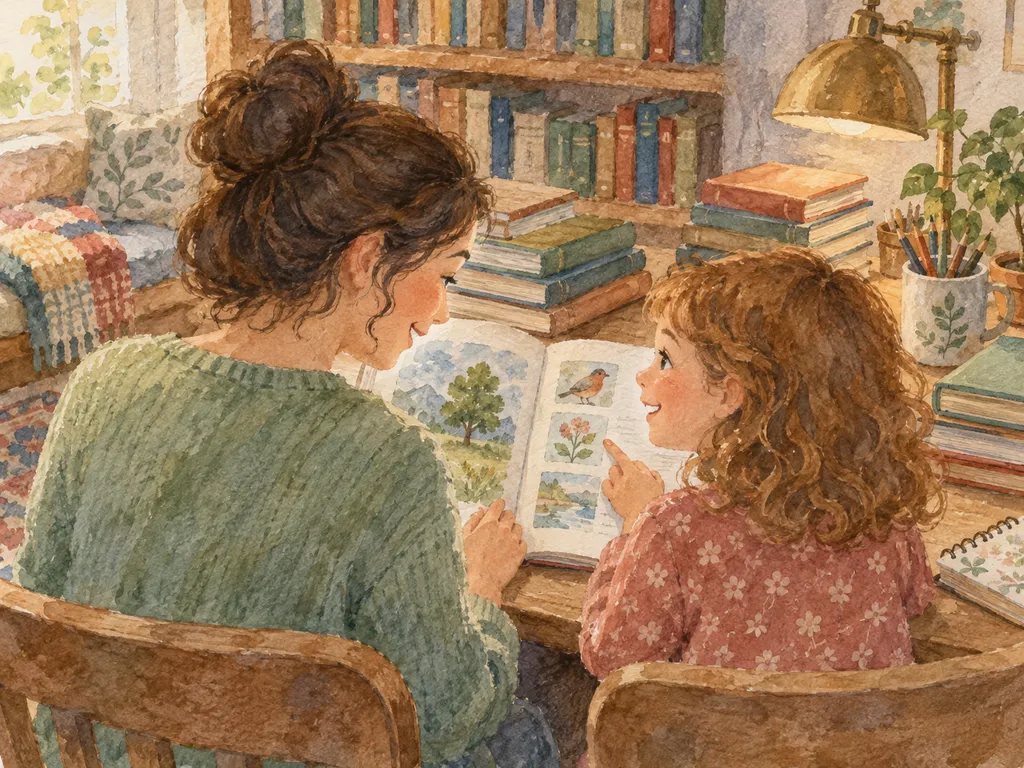
The same thinking can take different forms. A six-year-old may speak while an adult records a sentence. A nine-year-old may write one paragraph for each part. A teenager can compare themes, narrative voice, textual proof, and structure. Length should match the assignment’s purpose, not the book’s size.
These are working formats, not fixed limits. A child with strong ideas but slower English writing may plan orally and use sentence frames. A confident writer may need a tighter word limit to practise selecting supporting details. Choose enough support for independent thinking.
Fix Common Book Report Mistakes
Book Reports for Kids: A Practical Guide stresses that more plot does not mean more understanding. Children often retell every event and omit their own thinking. Reduce the summary to details a new reader needs, leaving space for examples from the text and explanation.
Another mistake is an unsupported opinion: “The book was exciting” or “The character was kind.” Add because and cite the text: “The final chapter was exciting because the two problems came together,” or “The character acts kindly when she shares the last meal.” A precise example strengthens a simple opinion.
Watch for tense shifts, vague pronouns, and copied wording. Moving between “the hero finds” and “the hero found” confuses the timeline. Words such as it, they, or this need a named reference. If wording sounds unlike the child’s language, ask for an oral explanation and a plain rewrite.
Practise One Skill at a Time
A full report combines demanding tasks. Short activities develop selection, grammar, and textual support before combining those skills. Begin with a familiar story or recently finished book so the child can concentrate on writing.
Choose the Essential Details
Write five events from the book. Cross out two that readers do not need to understand the central problem and result. Join the remaining three with at first, then, and finally.
Next, turn a broad judgement into a supported point. Place a relevant detail beside the claim, then explain the connection in one sentence. This prevents quotations or examples from appearing without purpose.
Build a Claim with Evidence
Complete the pattern: “The character is ______ because ______. This shows ______.” For a factual book, use: “The central idea is ______. The example of ______ supports it because ______.”
Finish with a language check. Ask the child to underline verbs about the book, circle linking words, and box each piece of evidence. A paragraph without a boxed detail needs support. If almost every sentence is boxed, the child may be copying too much.
Edit the Tense
Change the verbs where needed: “The rabbit entered the cave and finds a map. The map showed where the river begins.” Suggested revision: “The rabbit enters the cave and finds a map. The map shows where the river begins.”
- Choose one short book suited to your child’s age and interests.
- Ask your child to retell three key events before writing.
- Practise writing one clear character sentence using evidence from the book.
- Use a five-minute timer to draft only the opening paragraph.
- Review one skill together, then praise a specific improvement they made.
For reading and phonics support beyond the article examples, Scholastic Parents is a helpful independent resource for parents.
Frequently Asked Questions
How Long Should a Child’s Book Report Be?
Length should match age, writing experience, and the assignment. A young child may give three to five sentences with a drawing. A child in the middle primary years may write three or four short paragraphs. Older learners may write a longer analysis. The report should introduce the book, summarise it briefly, examine one point, and give a supported response.
Should a Book Report Reveal the Ending?
For a school assignment, include the ending when needed to explain the central problem, a character’s change, or the author’s message. A recommendation for other readers may avoid the final outcome. Your child can state the challenge and discuss the reading experience without revealing the last event.
Can My Child Use First Person in a Book Report?
First person suits a personal response: “I found the ending surprising because the clues pointed elsewhere.” Summary and analysis usually work better in the third person: “The author places clues in each chapter.” Follow the school’s required style. In either form, opinions need reasons and evidence.
What Should I Do If My Child Cannot Start Writing?
Use Book Reports for Kids: A Practical Guide as a sequence of short prompts, not a request for a complete report. Ask what the book is about, which event matters most, what changed, and which detail proves the child’s opinion. Record the spoken answers, arrange the notes, and turn each idea into a sentence.
How Much Help Should a Parent Give?
A parent can explain the task, discuss the book, organise notes, and identify confusing sentences. The ideas and final wording should remain the child’s. Instead of correcting every error, ask: “Which event proves that?” or “Are you discussing the story or your reading experience?” Such questions teach a process the child can later use alone.
A short one-to-one lesson can show what level and pace fit your child — book a trial English lesson.
Stay updated on our latest tips and resources by following us on Instagram LearnLink.