English Greetings Worksheets for Kids
English greetings worksheets for kids teach children to begin, continue, and end an exchange. Across LearnLink lessons, our tutors help children build confident, everyday English step by step. Pictures, matching tasks, speech bubbles, and brief role-play prompts support younger learners. Older children can compare casual and polite language. Copy the activities below onto paper or complete them aloud.
What a Useful Greetings Worksheet Should Teach
A strong set of English greetings worksheets for kids teaches a complete exchange: an opening, response, follow-up question, and closing. Learning “Hello” alone does not prepare a child to answer, “Hi! How are you?”
Start with: “Hello,” “Hi,” “Good morning,” “How are you?”, “I’m fine, thank you,” “What’s your name?”, “Nice to meet you,” and “Goodbye.” Add “Good afternoon” and “Good evening” after the child masters this group. Teach “Good night” as a closing before sleep, not a greeting.
Greetings carry social meaning. “Hi” suits casual situations, while “Good morning” may suit a teacher, older relative, or formal meeting. Explain that eye contact, handshakes, hugs, and personal space differ across cultures. Children can greet someone warmly without physical contact.
Choosing Phrases for the Situation
Children remember greetings when each phrase has a setting. Ask, “Who are you speaking to?” and “What time is it?” These clues help the child choose suitable language.
English greetings worksheets for kids should allow several answers. A child may answer “How are you?” with “I’m fine,” “I’m good,” or “I’m tired today.” Accepting natural options demonstrates conversational flexibility while reinforcing grammar.
Examples by Age and Reading Level
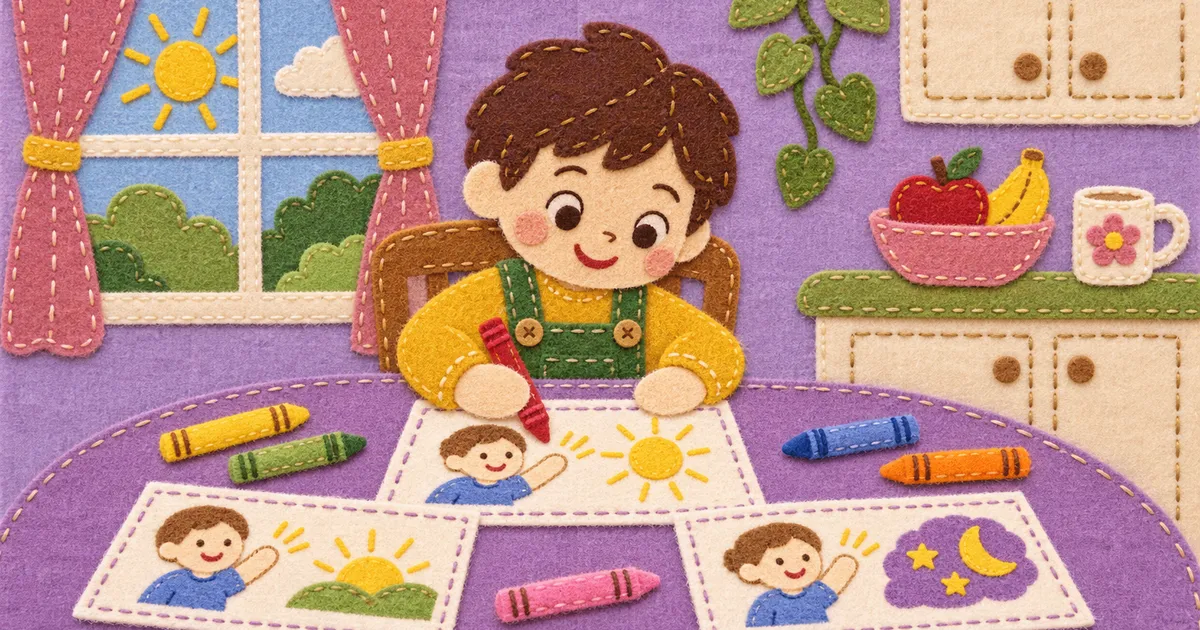
For school-age kids, use one phrase per picture and read instructions aloud. Children can connect a sun to “Good morning,” circle the person saying goodbye, or repeat a two-line exchange with a toy. English greetings worksheets for kids at this stage should require little handwriting.
For school-age kids, add speech bubbles, missing words, and short choices. A child might complete “Good ___,” choose “morning” or “night,” or arrange four dialogue lines. Encourage full spoken answers even when the written task requires one word.
Children can compare tone and setting. Ask them to rewrite “Hey!” for a first online lesson or change “Good afternoon” into a casual greeting for a friend. They can write a six-line dialogue containing a greeting, question, answer, and closing.
How to Use Worksheets at Home
When using English greetings worksheets for kids at home, choose one goal per session. Review three phrases, complete one task, then use the language in an exchange. Ten focused minutes beat a long page completed silently.
Read the first dialogue together. Cover one line and ask your child to supply it. Then change one detail: morning becomes evening, a friend becomes a new tutor, or “I’m fine” becomes “I’m excited.” The change tests understanding instead of recitation.
Across LearnLink lessons, our English tutors for children can model the exchange at a natural pace and adapt it to the child’s reading level. Family members can reinforce it with an English greeting at breakfast, after school, or before an online activity.
Practical Activities and Guided Practice
Move from recognition to speech. First, the child matches or chooses an answer. Next, the child completes a phrase. Last, the child speaks without seeing it. This sequence supports early learners while preparing them for conversation.
Practice 1: Fill in the Missing Words
Complete each greeting: 1. Good ______! It is 8:00 a.m. 2. How ______ you? 3. Nice to ______ you. 4. See you ______. Answers: morning; are; meet; later.
Practice 2: Put the Conversation in Order
Number these lines from 1 to 4: “I’m fine, thanks. And you?” “Hi there!” “I’m good.” “Hello! How are you?” Answer: “Hi there!”; “Hello! How are you?”; “I’m fine, thanks. And you?”; “I’m good.”
Practice 3: Choose and Speak
Choose one setting: meeting a new classmate, starting an evening lesson, or leaving a friend’s home. Say a suitable greeting or closing. Your partner answers and asks one follow-up question. Then switch roles.
For extra practice, make four situation cards from scrap paper: “morning lesson,” “new friend,” “video call,” and “time to leave.” Your child picks a card and begins the exchange. Younger children may use a phrase bank; older children should add their own question.
Common Mistakes and Simple Corrections
Children may answer “How are you?” with their name, confusing it with “What’s your name?” Place both questions beside their answers. Use colour or a symbol temporarily, then remove the support.
Another mix-up is saying “Good night” on arrival. Act out entering a room in the evening and going to bed. Use “Good evening” for arrival and “Good night” before sleep. The actions reinforce the distinction.
Correct one point at a time. If your child says, “I fine,” model “I’m fine.” Ask for one calm repetition, then continue. Correcting every error can shift attention from communication to mistake avoidance.
- Try English greetings worksheets for kids with ages six to eight today.
- Practice three greeting-and-response pairs using puppets for ten focused minutes.
- Correct missing eye contact by modeling one friendly greeting before breakfast.
- Use a favorite picture book to spot five greeting mistakes together.
- Repeat each corrected phrase twice, then praise clear pronunciation and confidence.
When a word has several meanings or pronunciations, Cambridge Dictionary is a useful check before turning it into child-friendly examples.
Frequently Asked Questions
How Often Should Children Practise English Greetings?
Three short sessions each week are a practical starting point. Combine five worksheet minutes with five speaking minutes. Reuse the phrases in daily routines. Once a child can begin and answer without help, add one greeting or follow-up question.
Does Every Worksheet Answer Need to Be Written?
No. Beginning readers can point, match pictures, repeat phrases, and act out dialogues. Add writing when it supports the language goal. For school-age kids, include spoken practice in every worksheet session because greetings belong in conversation.
Can Greeting Phrases Be Explained in Another Home Language?
Yes. A brief explanation in a familiar language can prevent confusion, especially in families using two or three languages. Then return to English and practise the phrase in context. Connect its meaning, setting, and response instead of translating each word.
What Can Help a Learner Who Feels Shy About Role-play?
Begin with toys, puppets, or two drawn figures. The learner speaks for one figure while a partner speaks for the other. Read a dialogue together before practising without the page. Do not require eye contact or volume. Aim for a suitable response delivered with growing comfort.
How Can Adults Choose a Worksheet at the Right Level?
English greetings worksheets for kids work best when learners understand most instructions and complete some items alone. One or two new phrases provide a challenge. If every line needs translation, reduce the phrases or work orally. If the page feels easy, request a longer dialogue or different setting.
Use these takeaways to turn worksheet answers into confident speech:
- Start with three useful greetings and their natural responses.
- Practise each phrase aloud in a clear everyday situation.
- Change one detail to check understanding instead of memorisation.
- Finish with a short exchange completed without the worksheet.
Start your child's English journey today — book a trial lesson with LearnLink.
Stay updated on our latest tips and resources by following us on Instagram LearnLink.