Exclamations with What and How for Kids
English exclamations follow two patterns: what introduces a naming phrase; how introduces an adjective or adverb. Compare “What a clever idea!” with “How clever that idea is!” Both express strong reactions with different word order. Exclamations with What and How: A Practical Guide for Children teaches three steps: find the main word, identify its role, and build the sentence. Examples, sorting, and spoken practice clarify the contrast.
📥 What or How? Exclamation Practice
Build strong exclamations and fix common mistakes
Leave your email — we'll send the PDF to your inbox.No spam — the PDF plus one short reminder. Unsubscribe anytime.
What Children Need to Understand
An exclamation expresses a reaction, not just information. “The puppy is small” states a fact. “What a small puppy!” shows surprise or affection. Speech becomes expressive; writing ends with an exclamation mark. For parents, Exclamations with What and How: A Practical Guide for Children works best when practice is short, visual, and repeated every week.
Exclamations with What and How: A Practical Guide for Children separates naming words from describing words. Use what when the phrase names a person, animal, place, thing, or idea, such as day, books, or weather. Use how when an adjective or adverb—such as kind, cold, or quickly—carries the reaction.
Ask, “Am I reacting to a thing or describing how something is or happens?” Then check countable nouns, uncountable nouns, adjectives, and adverbs. The phrase "Exclamations with What and How: A Practical Guide for Children" becomes easier to remember when children hear it in a clear example and use it straight away.
How the Two Patterns Work
The full patterns are What + naming phrase + subject + verb! and How + adjective or adverb + subject + verb! Speakers often omit the final subject and verb when the meaning is clear: “What a mess!” or “How exciting!” For "Exclamations with What and How: A Practical Guide for Children", begin with one familiar situation before moving to a harder contrast.
Compare the complete examples. The table shows what follows each opening word.
“What a difficult puzzle!” emphasises puzzle; “How difficult this puzzle is!” stresses difficult. Comparing pairs helps children choose by structure rather than sound.
Rules for Exclamations with What
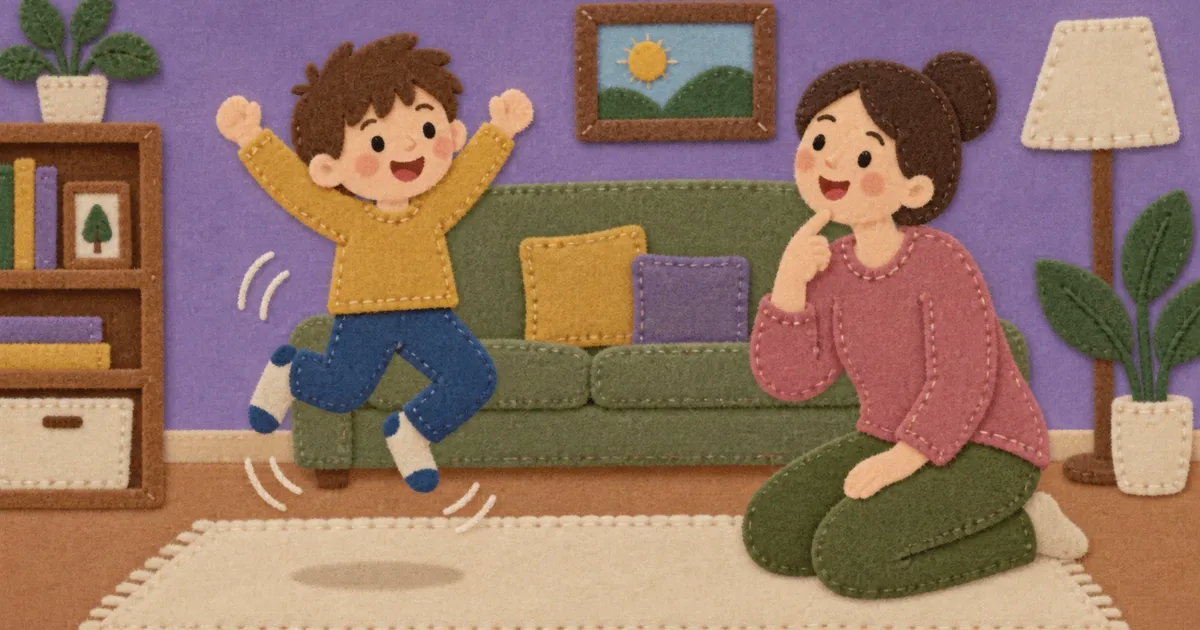
Use a or an before one countable item: “What a detailed map!” and “What an enormous cake!” Choose by the next sound. Say “an exciting game” before a vowel sound, but “a challenging game” before a consonant sound.
Do not use a or an with plurals or uncountable words: “What noisy birds!” and “What cold water!” One countable item takes a/an; plural and uncountable forms do not.
The adjective is optional. “What a day!” may express delight, shock, or frustration through context and tone. “What luck!” and “What fun!” work too. Listeners use context to identify the feeling.
Rules for Exclamations with How
Place how before an adjective: “How bright the moon is!” “How patient your brother was!” and “How strange that sounds!” The adjective comes before the subject and verb, unlike “The moon is bright.”
Use an adverb after how when reacting to an action: “How softly the baby is sleeping!” or “How confidently you read that passage!” Find the verb, then decide whether the describing word explains the action.
Conversation favours short forms: “How lovely!” “How odd!” or “How quickly!” Complete sentences provide better grammar practice before learners meet shorter forms in stories, films, and speech. Find support through English tutor profiles.
Common Mistakes and How to Fix Them
“How a beautiful picture!” wrongly places how before a naming phrase. Say “What a beautiful picture!” or “How beautiful the picture is!” What introduces a person, object, or idea; how introduces an adjective or adverb.
Children may omit the article before one countable item. “What clever idea!” becomes “What a clever idea!” By contrast, plural “What clever ideas!” needs no article. Ask, “Can I count one?”
Incorrect word order creates “How the room is quiet!” Move the adjective forward: “How quiet the room is!” An exclamation mark cannot repair the pattern.
Practice Activities at Home or in Class
Start with spoken sorting. Give “a tall tower,” “bright lights,” or “warm milk,” and ask your child to begin with what. Then give “tall,” “bright,” or “slowly” for a sentence with how. Check the word after the opening.
Choose What or How
Complete each sentence.
1. _____ a funny hat that is!
2. _____ gently the snow is falling!
3. _____ delicious soup!
4. _____ brave your child was!
5. _____ colourful flags they made!
Answers: 1. What 2. How 3. What 4. How 5. What
Next, turn statements into exclamations. Accept multiple answers when grammar and meaning work. Learners can emphasise the named thing with what or its description with how.
Transform the Statements
Rewrite each statement as an exclamation.
1. This is an exciting match.
2. The river is wide.
3. Those are beautiful shells.
4. The drummer plays loudly.
5. This is fresh bread.
Possible answers: 1. What an exciting match this is! 2. How wide the river is! 3. What beautiful shells those are! 4. How loudly the drummer plays! 5. What fresh bread this is!
Finish with observation. Study a picture, room, meal, or view and take turns making one what exclamation and one how exclamation. Ask the learner to identify the noun, adjective, or adverb supporting each choice.
Adapting Practice for Different Ages
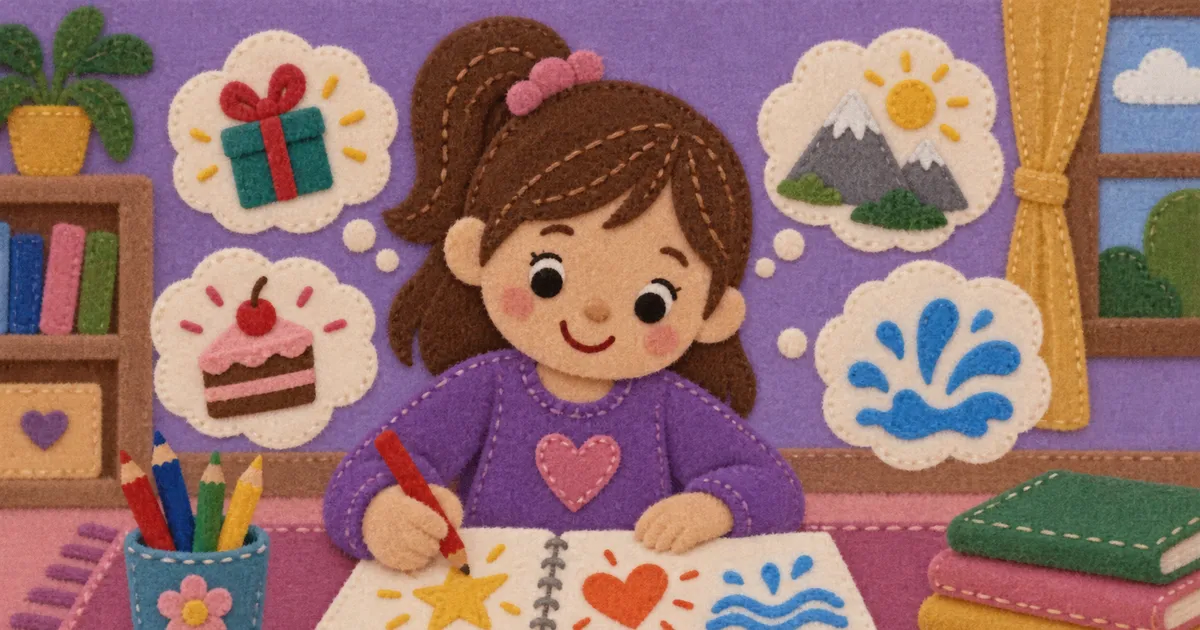
For younger children, use pictures and short forms such as “What a big bus!” and “How funny!” Let them sort cards into two groups. Repetition and gestures reinforce the contrast.
School-age children can build complete sentences, identify singular and plural forms, and correct article errors. They can write two reactions to one scene: “What a noisy street!” and “How noisy the street is!”
Older learners can examine tone and register. Exclamations suit dialogue, messages, and expressive writing, but too many exclamation marks make formal work sound exaggerated. Revise a dramatic paragraph and retain one strong exclamation.
- Try three picture prompts with children aged five to seven today.
- Use one favorite storybook to model What and How exclamations together.
- Practice four spoken examples with children aged eight to ten.
- Ask older children to rewrite five plain sentences as lively exclamations.
- Praise correct word order, then repeat two challenging examples before bedtime.
When a word has several meanings or pronunciations, Cambridge Dictionary is a useful check before turning it into child-friendly examples.
Frequently Asked Questions
What Is the Easiest Way to Explain the Difference Between What and How?
Check the word after the opening. Use what before a naming phrase: “What a clever answer!” Use how before an adjective or adverb: “How clever your answer is!” or “How clearly you explained it!”
Does Every Exclamation Need an Exclamation Mark?
Grammar exercises expect an exclamation mark to signal strong feeling. Elsewhere, punctuation depends on tone: a full stop can show a quieter reaction. Follow any punctuation instructions.
Can a Sentence with What or How Be Shortened?
Yes. “What a surprise!” and “How delightful!” are natural short exclamations. Longer forms are “What a surprise that was!” and “How delightful the concert was!” Learn the full form before shortening it.
Why Are Exclamations Sometimes Confused with Questions?
Both can begin with what or how. A question requests information: “How cold is the water?” An exclamation reacts: “How cold the water is!” Compare their word order, punctuation, and spoken patterns.
How Can Learners Practise Without Worksheets?
Use objects, pictures, books, meals, weather, or activities as prompts. Make one sentence with what and another with how, then identify the naming or describing word. Practise with visible, familiar things.
- Start by finding the key naming or describing word.
- Choose what for a person, object, or idea and how for an adjective or adverb.
- Practise one complete sentence aloud, then shorten it if the meaning remains clear.
Start your child's English journey today — book a trial lesson with LearnLink.
Stay updated on our latest tips and resources by following us on Instagram LearnLink.