How to Help a Reluctant Reader Love Books
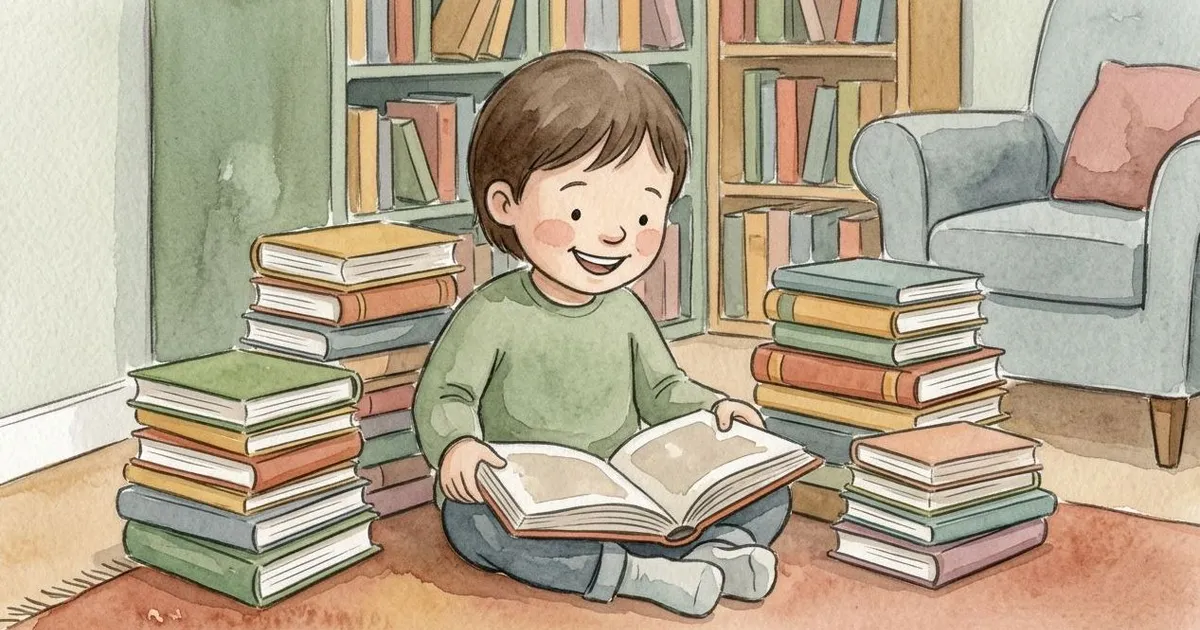
One in five children resists reading, and knowing how to help a reluctant reader love books can decide whether yours dreads a child who avoids pages or reaches for one on a quiet afternoon. Reluctance rarely signals inability — more often it's a fit problem: wrong book, wrong moment, reading tied to pressure instead of pleasure. This guide gives parents practical, LearnLink-tested steps to shift that pattern without turning home into a battleground.
Why Children Resist Reading — And Why It Matters
Reading resistance has many roots: undiagnosed vision problems or early dyslexia, never finding a book that felt written for them, or being pushed to read "above their level" too early — leaving reading tied to failure.
Understanding how to help a reluctant reader love books begins with diagnosing that root cause. Fluency at age 8 predicts academic confidence for years across subjects; children reading for pleasure build vocabulary three to four times faster than those who don't — a gap compounding across every school year.
Good news: resistance is almost always reversible. The strategies below work for ages 4–15 — adapt examples to your child's age and situation.
Match the Book to the Reader, Not the Other Way Around
The single most effective move: find the right book. A 7-year-old obsessed with football won't suddenly love a fairy tale because it's "age appropriate" — find the football book first. Interest trumps genre every time. For parents, how to help a reluctant reader love books works best when practice is short, visual, and repeated every week.
For school-age kids, choose books with strong visual storytelling — illustrations carrying meaning before the child reads the words. Wordless picture books are underrated: the child narrates, building confidence and story sense together.
For reluctant readers upper elementary kids, graphic novels and narrative non-fiction — true stories about sport, space, or history — are legitimate entry points, not consolation prizes. Many who claim to hate reading love these formats, then move to longer prose once the habit is established.
Remove the Pressure, Not the Book
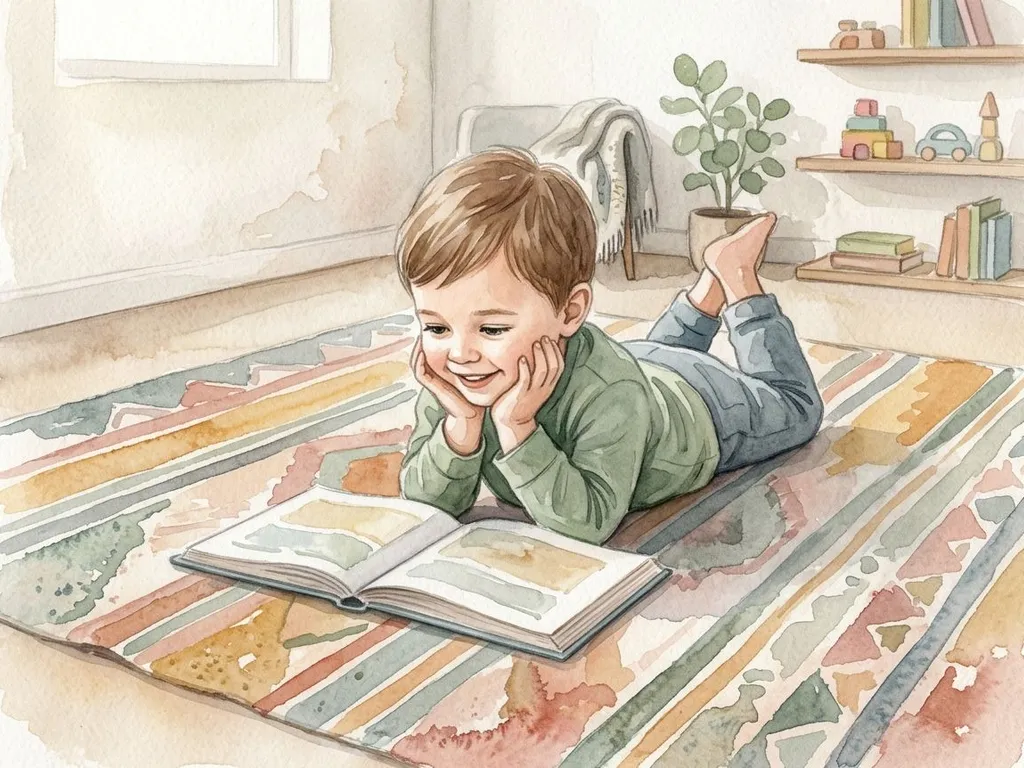
Reading aloud to your child — even after they read independently — removes the performance element. The child listens for pleasure, separating reading from assessment and building the lasting habit.
Avoid comprehension questions right after reading — "What happened?" and "What did you learn?" feel like tests. Share your own reaction instead: "I thought that part was strange — what did you think?" Reading becomes conversation, not examination.
Set a clear boundary between school reading and fun reading. If every home book comes with a worksheet, children learn that books mean work — so reserve some reading time as genuinely low-stakes, no output required.
Build the Environment, Not Just the Habit
Physical access matters more than most parents expect. Children read more when books are visible and reachable — low shelf, bedside table, living-room basket — not spine-out on a tall adult bookcase. Reducing friction at the moment of choice has real results.
Regular library visits give children agency. A child who picks their own book — even too easy or too strange — is more likely to finish it. The library provides that ownership engine for free.
Model the behavior. Children who see adults read — not just phones — absorb that reading is what people do with free time. Twenty minutes of shared evening reading, everyone with their own book, outweighs many structured lessons.
Use Series, Comics, and Audio Strategically
A book series is among the strongest tools for how to help a reluctant reader love books. After volume one, volume two needs almost no new motivation — characters, world, and stakes are already familiar, dropping the cognitive load of "starting a new book" to near zero. Series like Diary of a Wimpy Kid, Dog Man, Big Nate, and Geronimo Stilton exist because this mechanism works across languages and cultures.
Comics and graphic novels are full reading experiences, requiring inferencing, sequential logic, and vocabulary — all legitimate literacy skills. For multilingual children, visual context scaffolds meaning where dense prose can't, making them an ideal bridge into English reading.
Audiobooks paired with the physical text — child follows while listening — bridge the gap between oral comprehension and independent reading level. Recognised in reading research and not a shortcut, they expose children to richer language than they could decode alone, raising their reading ceiling over time.
Approaches That Help vs. Approaches That Backfire
The "5-book Spread" Activity (School-age Kids)
Next library or bookshop visit, ask your child to pick any five books — no rules about level, genre, or length. Lay them out and ask: "Which one would you open first if you had ten minutes right now?" That's the one to borrow. The goal isn't finding the perfect book — it's practising choosing, because children who know how to choose books keep on choosing them.
For reading and phonics support beyond the article examples, Scholastic Parents is a helpful independent resource for parents.
Frequently Asked Questions
At What Age Should I Start Worrying About a Reluctant Reader?
Reading readiness varies widely — many read fluently at 5; others aren't ready until 7 or 8, both normal. If your child is 8 or older, enjoys stories aloud, but consistently avoids independent reading, raise it with their teacher or a reading specialist — not because something is necessarily wrong, but because targeted support now prevents the gap from widening. Knowing how to help a reluctant reader love books early keeps that gap small and manageable.
Should I Use Rewards to Get My Child to Read More?
Small, non-competitive rewards — a sticker chart or extra screen time for minutes read — can start a habit elementary kids. The risk: once rewards stop, reading stops, because the child has learned to read for the reward, not the experience. Drop tangible rewards as soon as the habit holds; replace them with shared responses — "Tell me the funniest part" is more durable than a sticker.
My Child Only Wants to Re-read the Same Book. Is That a Problem?
Re-reading is healthy, particularly before age 9. Familiar text lets children practise fluency without an unknown story's cognitive load, and signals they've found something genuinely enjoyable — the foundation you need. Introduce the next book gently, but don't force it; re-reading habits often evolve naturally into new titles once the child feels secure.
How Can I Use English Books If My Child Is Not Yet Confident in English?
Start with picture books and early readers whose illustrations carry meaning — visual context makes English accessible without full decoding. Across LearnLink lessons, multilingual children respond well to English books one level below their home-language ability: content feels manageable, and existing literacy instincts transfer quickly. Pair with the audiobook for extra support when needed.
How Do I Know If a Book Is the Right Reading Level?
Ask your child to read one page aloud. More than five stumbles per page means the text is too hard for comfortable independent reading — though still fine for reading together. Ease plus interest signals the right level, even if it seems below their age. Comfortable reading builds speed and confidence. Knowing how to help a reluctant reader love books often comes down to this single calibration: keep independent reading comfortable; save the stretch for shared reading.
Start your child's English journey today — book a trial lesson with LearnLink.
Stay updated on our latest tips and resources by following us on Instagram LearnLink.