How Kids Can Learn English from Scratch

Children learn English from scratch when they hear practical words each week, use them in small tasks, and build trust before formal grammar. How to learn English from scratch for kids is not one app or workbook. It is a steady mix of listening, speaking, play, reading, and kind correction. For a 5-year-old, that may mean songs, toys, and short tutor-led phrases. For a 12-year-old, it may mean topic work, brief writing, and goals. The family’s role is to make English regular, calm, and linked to life.
📥 First English Words Kids Can Use This Week
A printable starter pack of useful words and short phrases for children beginning English from zero.
Leave your email — we'll send the PDF to your inbox.No spam — the PDF plus one short reminder. Unsubscribe anytime.
What Families Need to Know First
A child who starts from zero does not need a large word list on day one. They need meaning. “Stand up,” “blue car,” “I’m hungry,” and “Can I have water?” work because the child can see, point, move, or answer. English should connect to life, not only to a page.
Children who already use more than one language may understand that words change across languages, sounds differ, and one idea can have several names. They still need time to sort English sounds, spelling, and sentence order.
Start with a Small Weekly Routine
The simplest answer to How to learn English from scratch for kids is this: choose a short routine and keep it. Ten to fifteen minutes on most days works better than one long Sunday session. Young children tire fast; older children notice when learning feels too big.
A weekly rhythm can include two live or guided lessons, two short listening sessions, one game day, and one review day. Keep one day light. Children need energy to return, especially if English is their third language or school is demanding.
Build Listening Before Asking for Full Speech

Listening comes before confident speaking. A child may understand “touch your nose” or “choose the red one” long before a full-sentence answer. That silent period maps sound to meaning.
Repeat lesson phrases: “It’s your turn,” “Show me,” “Let’s count,” “Try again,” “Good choice.” Across LearnLink lessons, tutors use routine language so children can predict the next step. Predictable speech helps a beginner join without panic.
Choose Words Children Can Use Today
For beginners, first words should come from the child’s world: family, food, colors, toys, pets, body parts, school objects, weather, feelings, and actions. “Jump,” “draw,” and “open” are easier than abstract words because the child can do them.
Do not rush into long spelling lists. A 6-year-old can learn “apple” by touching, drawing, tasting, and saying it. A 10-year-old can sort food words into “I like,” “I don’t like,” and “I want.” A teenager can make short opinions: “I prefer rice because it is warm and simple.”
Use Games, but Keep the Goal Clear
Games help when they make the child listen, choose, speak, or read. A matching game works if the child says the word aloud. A movement game works if the child follows English commands. A screen game teaches less if the child only taps and guesses.
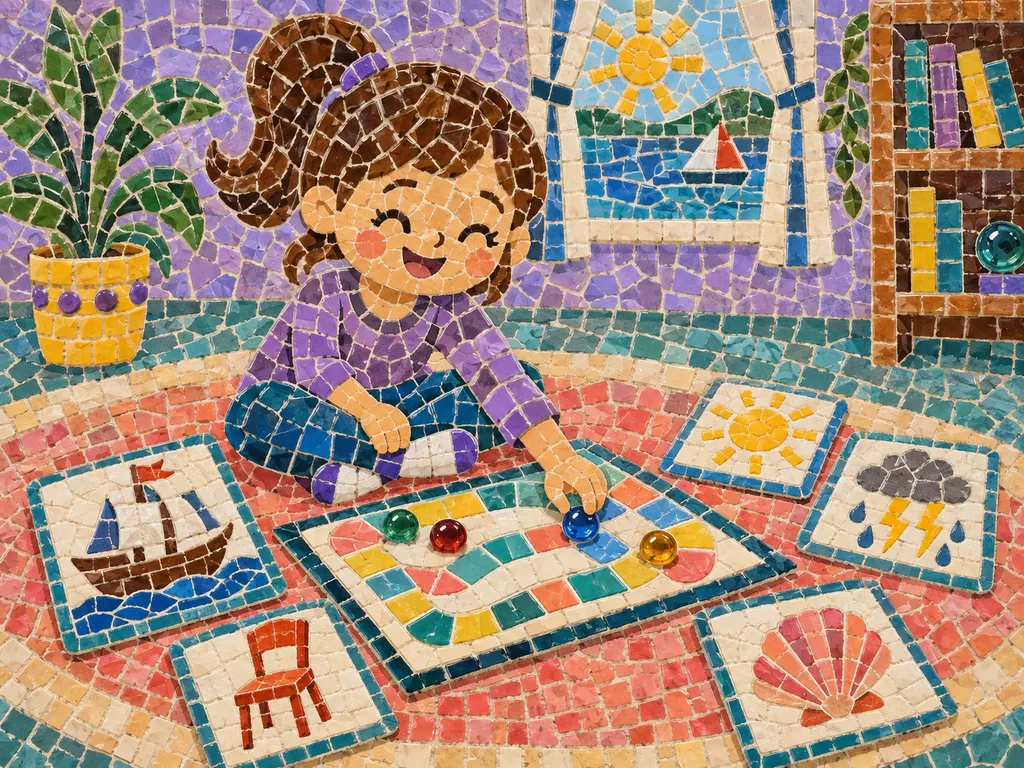
Try “treasure hunt” at home: say, “Find three red things,” “Bring a small toy,” or “Put the book on the chair.” For older children, add a challenge: “Find five objects and describe them with two adjectives.” Games should feel light, but each one should practise one skill.
How Parents Can Help Without Becoming the Teacher
Parents do not need perfect English to help. Home support means structure: set a time, prepare materials, praise effort, and keep the mood steady. If pronunciation is hard, use audio from a trusted course, tutor, or dictionary, then let your child repeat.
Avoid constant testing. “What is this? What is this? What is this?” can make a beginner shut down. Instead, model and offer choices: “Is it a cat or a dog?” “Do you want the blue pen or the green pen?” This keeps the child active without turning practice into an exam.
Make Progress Visible in Small Steps
How to learn English from scratch for kids becomes easier when progress is concrete. Track what your child can do, not only what they “know.” Can they greet someone? Follow three classroom instructions? Name five foods? Read a short sentence? Ask for help?
A progress page can have four columns: “I can understand,” “I can say,” “I can read,” and “I can write.” Add one or two examples each week. This helps children see growth and helps parents avoid the worry that “nothing is happening” during early listening work.
Home Practice: The Five-minute Room Lesson
Choose one room. Point to five objects and say each word twice: “door, chair, table, bag, lamp.” Then give three simple commands: “Touch the door,” “Put the bag on the chair,” “Stand near the table.” End with one sentence your child can repeat: “This is my room.” Use the same room for three days, then change rooms.
When to Add Reading and Grammar
Reading should start with words the child already knows by sound. If a child can say “cat,” “red,” and “run,” print makes sense. If every written word is new, reading becomes decoding without meaning, and children lose interest.
Grammar should grow from patterns the child can use. Start with “I am,” “I have,” “I like,” “This is,” “There is,” and “Can I.” Later, add tense, questions, and links such as “because” and “but.” For How to learn English from scratch for kids, grammar is a tool for saying more, not a separate mountain.
Common Mistakes to Avoid
The first mistake is changing materials too often. One week of an app, two worksheets, three videos, and a new course can look rich, but the child may not meet the same words enough times. Repetition works when the task changes: hear it, point to it, say it, read it, use it in a sentence.
The second mistake is expecting adult-style study. Children need movement, pictures, voice, and real exchange. Even older children learn better when language has a purpose: planning a game, describing a hobby, explaining a picture, or preparing a short talk about something they care about.
- Start with five daily picture cards for ages three to six.
- Read one short English bedtime book aloud every evening.
- Practice ten-minute listening games before introducing workbook exercises.
- Use songs with actions to teach new words naturally.
- Repeat three familiar phrases during meals, playtime, and cleanup.
When a word has several meanings or pronunciations, Cambridge Dictionary is a useful check before turning it into child-friendly examples.
Frequently Asked Questions
How Long Does It Take for a Child to Start Speaking English?
Some children speak single words after a few lessons. Others listen for weeks before they answer freely. Both patterns can be normal. Look for early signs: your child follows instructions, points to the right picture, copies sounds, or uses one-word answers. Speaking grows faster when adults give direct models and do not push for perfect sentences too soon.
What Is the Best Age to Start English from Scratch?
Children can start at 4-6 with songs, actions, pictures, and short phrases. school-age kids are often ready for simple reading and structured games. Older children can still begin well because they understand learning goals and can compare English with languages they already know. The best age is the age when the routine can stay calm and regular.
Should We Use Only English at Home?
No. A full “English only” rule is not needed for most families. Your home language is part of your child’s thinking and family life. Use English in small moments: greetings, tidy-up commands, snack words, numbers, colors, or a bedtime song. If your child looks lost, a brief explanation in the home language can lower stress and help meaning settle.
Are Cartoons and Apps Enough for a Beginner?
Cartoons and apps can support listening and vocabulary, but they are not enough for most beginners. Children also need turn-taking, correction, and chances to answer. Use a watch, pause, say, and use pattern: watch a short clip, pause for key words, repeat two phrases, then use them with toys, drawings, or a real object.
How to Learn English from Scratch for Kids If Parents Are Not Fluent?
Use materials with direct audio and keep your role practical. Set the routine, join games, ask choice questions, and celebrate effort. A tutor or course can provide correct language models; parents provide steadiness. How to learn English from scratch for kids at home is less about the parent sounding perfect and more about regular, low-pressure contact with English.
A short one-to-one lesson can show what level and pace fit your child — book a free English lesson.
Stay updated on our latest tips and resources by following us on Instagram LearnLink.