How to Write a Birthday Card Message for Kids
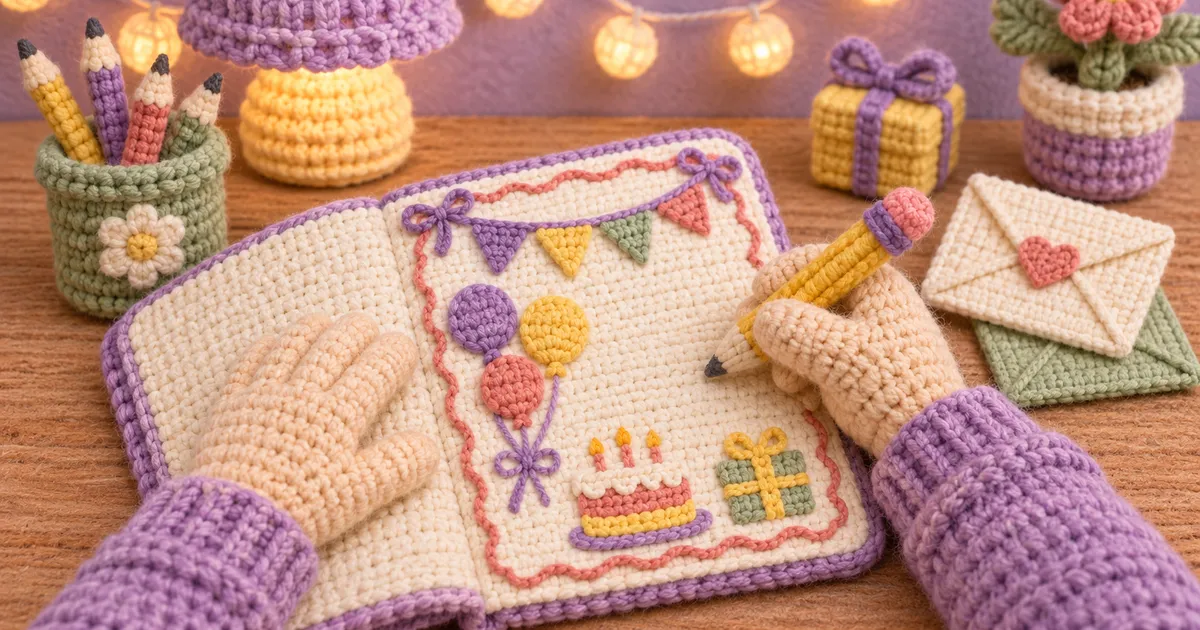
A birthday card message has four parts: a greeting, a wish, one personal detail, and a sign-off. How to Write a Birthday Card Message for Kids: A Practical Guide teaches children to combine them in natural English. Younger children may write one or two lines; older children can add a memory, compliment, or wish for the coming year. The message needs familiar words, a warm tone, and the child’s own voice.
What a Birthday Card Message Needs to Do
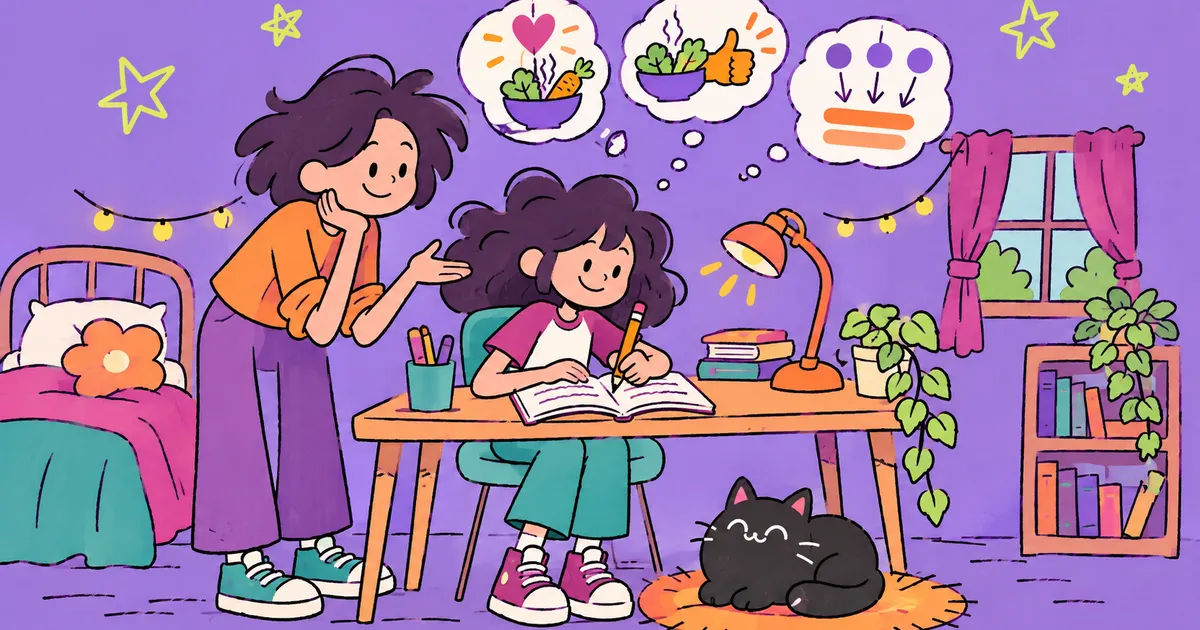
A birthday message shows that someone’s special day matters. Before writing, ask your child: Who will receive the card? How do we know this person? What kind thought would we like to share? The answers give the message purpose.
How to Write a Birthday Card Message for Kids: A Practical Guide shows that warmth comes from a true detail. “Happy birthday to a caring friend” is pleasant. “Happy birthday to a friend who always makes me laugh” feels personal.
A child who speaks two or three languages may form the idea in another language first. Help your child preserve the meaning while choosing familiar English words. Birthday customs differ between families, so avoid assumptions about parties, gifts, food, or religious traditions unless they suit the recipient.
A Four-step Message Children Can Follow
Families using How to Write a Birthday Card Message for Kids: A Practical Guide can follow one reliable pattern: greeting, wish, personal line, sign-off. The pattern supports children without making every card sound alike.
- Greeting: “Dear Grandma,” or “Hi!”
- Wish: “Happy birthday!”
- Personal line: “I love drawing pictures with you.”
- Sign-off: “Love,” “From,” or “Best wishes.”
A complete message might read: “Dear Grandma, happy birthday! I love drawing pictures with you. May your day feel peaceful and happy. Love, your grandchild.” A shorter version also works: “Happy birthday! Have a brilliant day. From your friend.”
Let the relationship guide the sign-off. “Love” suits close family relationships but may not fit every friendship or culture. “From,” “Best wishes,” and “Enjoy your day” are neutral choices.
Grammar That Keeps the Message Clear
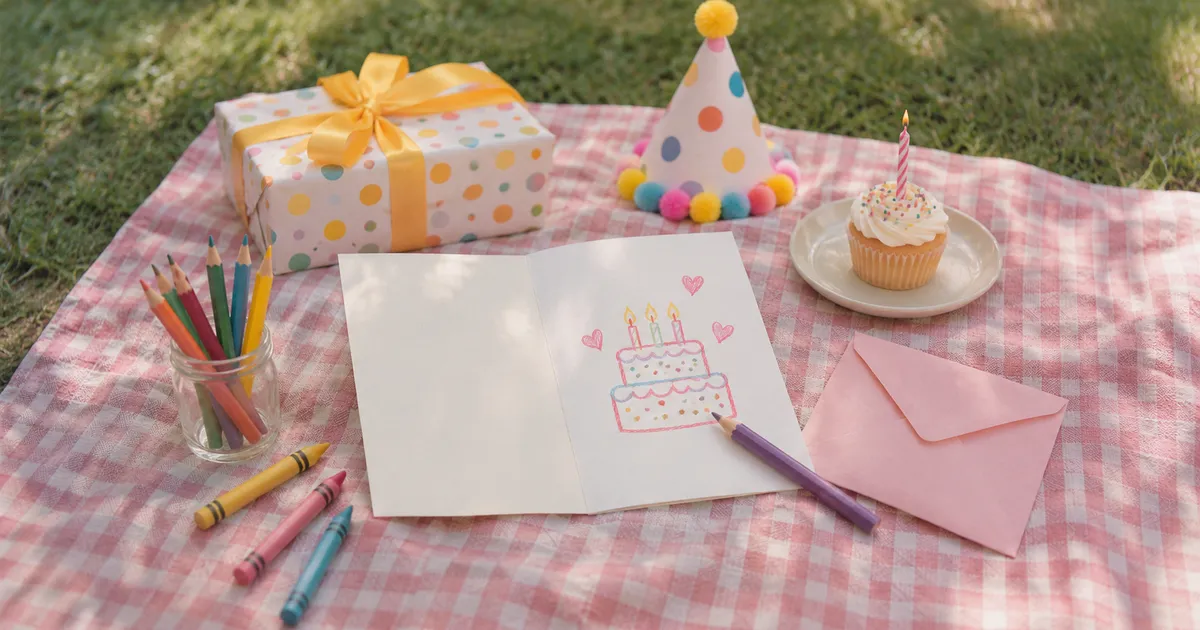
Begin each sentence and name with a capital letter. End a birthday wish with a full stop or exclamation mark. One exclamation mark adds energy; repeated marks hinder reading. In a card, “Happy birthday!” works as a complete greeting despite not being a full sentence.
For wishes, children can use I hope + subject + present verb: “I hope you have a lovely day.” Another pattern is Wishing you + noun phrase: “Wishing you a year full of fun.” For a formal tone, use May + subject + base verb: “May your birthday bring you joy.”
Contractions suit friendly cards: “You’re a thoughtful cousin” and “I’m glad we are friends.” Explain that you’re means you are, while your shows possession. How to Write a Birthday Card Message for Kids: A Practical Guide treats grammar as a tool for accurate meaning, not a reason to replace the child’s voice.
Match the Message to the Child’s Writing Stage
How to Write a Birthday Card Message for Kids: A Practical Guide adapts to different ages and English levels. These ranges are starting points, not tests. A confident younger writer may add detail, while an older beginner may prefer a shorter pattern.
Choose the row matching your child’s present skill rather than age alone. Children can copy the structure and change the words. During lessons with our LearnLink tutors, children use patterns for support before adding their own meaning.
For a close friend, a child might write, “You are kind, funny, and skilled at cheering me up.” For a teacher or another adult, “Wishing you a happy birthday and a joyful year ahead” may fit better. The relationship changes the tone, not the grammar.
Common Mistakes and Simple Fixes
A common mistake is stacking general compliments without a specific detail. “You are nice, amazing, brilliant, excellent, and perfect” sounds less sincere than “You are a patient friend who always shares.” One honest observation is enough.
- Wrong: “happy birthday youre a good friend”
Better: “Happy birthday! You’re a good friend.” - Wrong: “I hope you had a great day tomorrow.”
Better: “I hope you have a great day tomorrow.” - Wrong: “Wishing you a happy birthday?”
Better: “Wishing you a happy birthday!” - Unclear: “Have the best party ever.”
More flexible: “Enjoy your special day.”
Before correcting an unusual phrase, ask what the child means. Protect the idea, then repair the English together. If your child writes “I wish you happy all year,” reshape it as “I wish you happiness all year.” The sentence becomes correct while the kindness remains the child’s.
Humour needs care. Avoid jokes about age, appearance, presents, or family customs unless the recipient will welcome them. A birthday card should leave the reader feeling included rather than puzzled or embarrassed.
Guided Practice for Young Writers
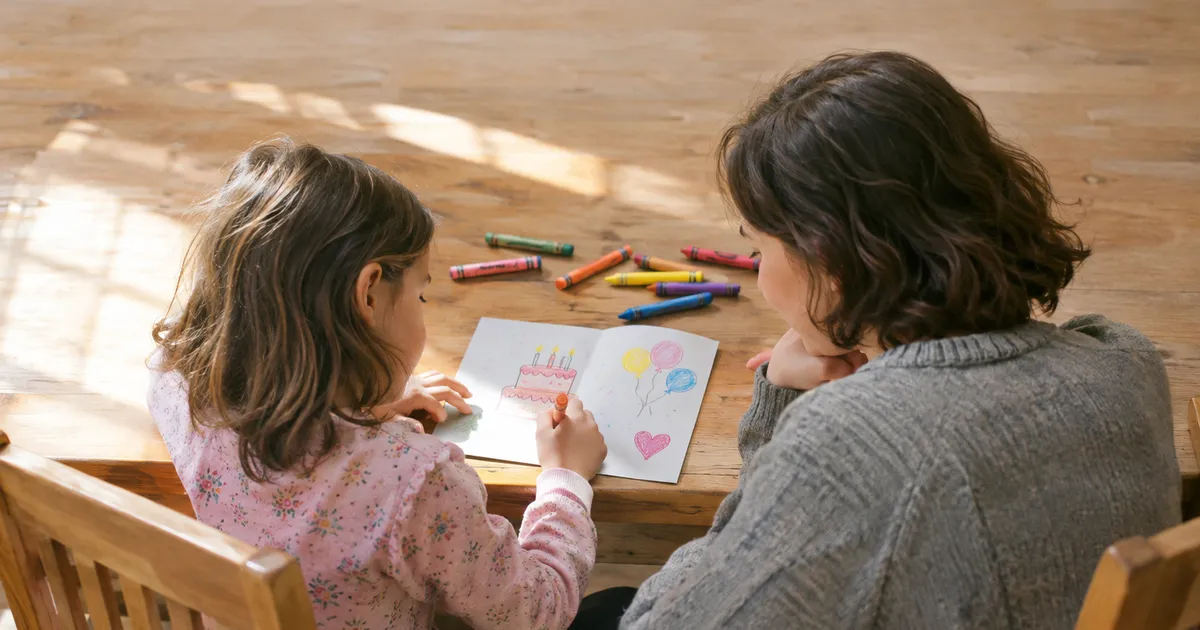
Practise before using the final card. Let your child test different words, read each sentence aloud, and choose the most natural version. These two activities develop grammar and tone.
Practice 1: Complete the Birthday Wishes
Fill each gap with a suitable word or phrase.
1. Happy ___ birthday! (ninth / nine)
2. I hope you ___ a joyful day. (have / had)
3. ___ you a joyful year ahead. (Wishing / Wish)
4. You’re kind, creative, ___ funny. (and / but)
Suggested answers are ninth, have, Wishing, and and. Ask your child to explain each choice. The explanation shows whether the child understands the pattern or has copied it.
Practice 2: Repair the Message
Rewrite each line with correct capitals, verbs, contractions, and punctuation.
1. happy birthday youre a valued cousin
2. i hope you will had fun
3. wishing you a peaceful birthday?
Possible revisions are: “Happy birthday! You’re a valued cousin.” “I hope you have fun.” “Wishing you a peaceful birthday.” Other answers may work if each version is grammatical, kind, and suitable for the intended reader.
For the child-development context behind this advice, American Academy of Pediatrics gives a broader reference point for parents.
Frequently Asked Questions
How Long Should a Child’s Birthday Card Message Be?
One to four sentences is enough for most children. How to Write a Birthday Card Message for Kids: A Practical Guide supports families, but the finished card should match the child’s writing level. A beginning writer can write “Happy birthday! Have a lovely day.” A confident writer can add a memory, compliment, and hope for the coming year.
What Can My Child Write If They Do Not Know the Person Well?
Use a warm, neutral wish. “Wishing you an enjoyable day” suits a classmate, family friend, or unfamiliar adult. Avoid personal jokes and exaggerated claims about the relationship. A short, honest message is stronger than a long note containing invented details.
Is “Wishing You a Happy Birthday” a Complete Sentence?
In formal grammar, it is a sentence fragment because it does not name who is wishing. In cards and greetings, it is a standard expression. Children may write “Wishing you a happy birthday!” For a full sentence in a grammar task, they can write, “We are wishing you a happy birthday.”
Should I Correct Every Grammar Mistake in the Card?
Correct mistakes that change the meaning or hinder reading, but preserve your child’s idea. Ask, “What do you want this sentence to say?” Then offer one or two concise versions. Your child should choose the final wording and, when possible, write it by hand. The goal is accurate English in the child’s own voice.
What If My Child Cannot Think of Anything Personal to Add?
Ask: “What do you enjoy doing together?” “What does this person do well?” or “How does this person help you?” If no detail comes to mind, use a kind wish: “May the coming year bring you happy moments.” A personal card needs neither private information nor an elaborate story.
Start your child's English journey today — book a trial lesson with LearnLink.
Stay updated on our latest tips and resources by following us on Instagram LearnLink.