Learn Phonics Song for Children
A phonics song teaches letter-speech links through short tunes, mouth movement, and repeatable words such as apple, ball, cat, and dog. The phrase learn phonics song for children works best as daily mini-lesson: listen, point, say, blend, then use that sound in a real word. Younger children build early reading habits. Older beginners repair sound-letter gaps without babyish lessons.
What a Phonics Song Should Actually Teach
A good phonics song goes beyond alphabet singing. Letter names matter, but reading starts when a child hears b says /b/ in bat, m says /m/ in moon, and s says /s/ in sun. Early phonics knowledge matters more than letter-name recall because children must connect print, sound, and meaning.
Keep a young child’s first goal small: one letter, one sound, one word. “A, /a/, apple” gives a 5-year-old enough for one sitting. A 9-year-old can add: “A, /a/, apple; A, /ay/, cake.” Older children need respect plus practice, so choose short routines, clear examples, and no baby voices.
When families use learn phonics song for children practice, listen for three things: accurate pronunciation, slow examples, and pictureable words. One accurately copied song beats ten bright animations with muddy pronunciation.
How to Use the Song in a Short Home Routine
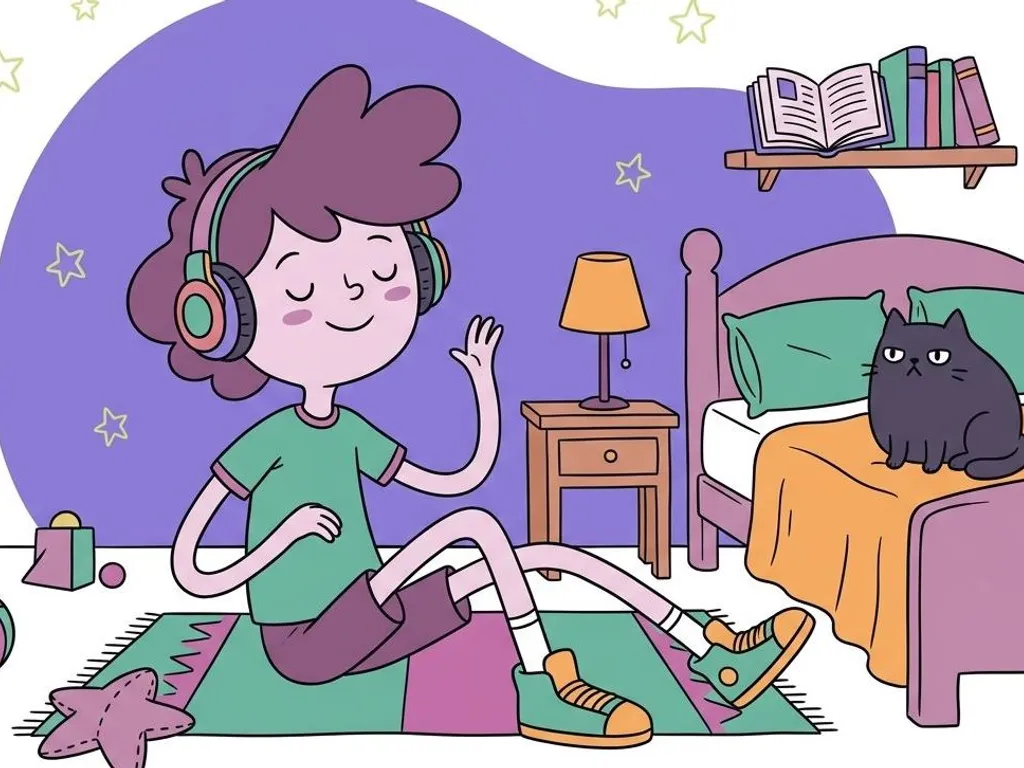
Ten minutes works. Start with one listening round so your child can watch and hear target letters. Round two: pause after each sound and ask for a repeat. Round three: ask for a word. “What starts with /m/?” Accept mum, moon, or milk.
Use the same order for several days. Children need pattern before speed. A child may sing the whole song yet still guess while reading. Slow pointing helps: point to the letter, say the sound, then say the word. This links print, pronunciation, and meaning.
Across LearnLink online lessons, our tutors turn songs into speaking turns. With learn phonics song for children lessons, the child hears /p/, says pen, then makes a short sentence: “I have a pen.” That step moves phonics from memory into real English.
A Simple Sound Path from Age 4 to 15
Children need different phonics work. A 4-year-old may learn first-letter listening. A 7-year-old may blend sounds into words. A 12-year-old beginner may know English by ear yet still need spelling patterns such as sh, ch, and igh.
Use this path as a guide, not a test. If your older child is new to English reading, start at phoneme level and move ahead once it feels easy. If your young child already reads another language, watch for English sounds missing from the home language. The learn phonics song for children routine fits each stage when tasks stay age-respectful.
Words to Pair with the Song
Choose words children can see, touch, draw, or act. Abstract words feel harder early. A strong first set might include apple, ball, cat, dog, egg, fish, goat, hat, insect, and jam. These words give children pictures while each new letter pattern feels concrete.
For children who know the alphabet, add contrast. Put cat, cap, and can together. Then change the first letter-sound: cat, bat, hat. Children hear one phoneme change a word.
The learn phonics song for children approach can support bilingual and multilingual children when parents focus on English pronunciation, not translation. If a child says the word in Spanish, Hebrew, French, Arabic, or another home language, accept the meaning, then return to English: “Yes, that is a dog. Dog starts with /d/.”
Five-minute Sound Hunt
Choose one song target, such as /b/. Ask your child to find three things at home or in a picture book starting with that sound: book, bag, banana. Then say one short sentence for each word: “The book is red.” Keep the pace light and stop before tiredness starts.
How to Keep Pronunciation Clear
Children often add an extra vowel after a consonant. They may say /buh/ instead of /b/, or /muh/ instead of /m/. This makes blending harder because /buh/ /a/ /tuh/ does not become bat cleanly. Model each sound softly and shortly: lips together, /b/, then stop.
Some sounds need mouth awareness. For /f/, teeth touch lower lip. For /th/, tongue comes forward a little. For /r/, difficulty is normal for learners. Do not turn every song into correction. Pick one target, praise effort, return to rhythm.
If learn phonics song for children practice becomes a weekly routine, record your child once a month reading five words. Do not use the recording for criticism. Use it to notice growth: sharper first sounds, smoother blending, or more confidence saying a sentence after the word.
Common Mistakes Parents Can Avoid
The first mistake is moving too fast from singing to reading. Singing shows memory; reading shows sound control. After the song, ask your child to read or build three words, such as sat, mat, map. Three accurate words beat twenty guessed words.
The second mistake is teaching too many letter patterns at once. English spelling has layers. Start with consonant sounds and short vowels. Add sh, ch, th, and ck later. Save harder patterns like ough until your child has a stronger base.
The third mistake is making phonics a test. A song should lower pressure. If your child freezes, sing one line together, point to the first letter, and give two choices: “Is this /m/ or /s/?” A choice lets your child think without pressure. Learn phonics song for children practice should feel guided, not like a quiz.
Ways to Practise After the Song
Turn the song into small actions. Clap the parts in dog: /d/ /o/ /g/. Step forward for each phoneme in sun. Use toy blocks for letters and push them together while blending. Movement helps children who find sitting still hard.
For older children, use real reading. Take one pattern from the song and find it in a short text, menu, game screen, or school book. Ask, “Where do you see sh?” Then read the full word. This keeps phonics from feeling like preschool work and shows why the skill matters.
Learn phonics song for children work succeeds when it leads to speaking and reading, not only singing. After /t/, your child can say toy, read top, and make the sentence “The toy is on the table.” That is a full learning loop.
Blend and Change
Write cat, mat, and sat on paper. Read each word slowly, then ask your child what changed. Next, change the last part: cat, cap, can. This builds careful listening and early spelling awareness.
- Try five letter sounds after breakfast with a four-year-old learner.
- Practice matching three alphabet cards to room toys.
- Use one picture book to find words starting with /m/.
- Say each sound slowly, then blend two-letter words together.
- Repeat learn phonics song for children once, then ask your child to teach you.
When a word has several meanings or pronunciations, Cambridge Dictionary is a useful check before turning it into child-friendly examples.
Frequently Asked Questions
What Age Should a Child Start Phonics Songs?
Children can enjoy phonics play from age 4, but formal reading does not need rushing. At 4-5, focus on first-letter listening, word repeating, and rhythm. At 6-9, add blending and reading. Older beginners can use phonics songs when the style stays calm and age-respectful.
How Often Should We Practise Phonics at Home?
Short practice works best. Five to ten minutes, four or five times a week, beats one long session. Use one target, three words, and one sentence. Stop while your child can still succeed. Regular small wins build stronger habits than tired drilling.
Is Learn Phonics Song for Children Enough for Reading?
Learn phonics song for children gives a strong start, but it cannot stand alone. Children need blending practice, real-word reading, stories, vocabulary building, and full-sentence speaking. Use the song as the door into reading practice, not the whole lesson. Learn phonics song for children should launch daily, concrete reading moments.
What If My Child Knows Letter Names but Cannot Read Words?
This happens often. Letter names and letter sounds are different skills. A child may know “B” but miss /b/ at the start of bag. Return to short phonics work: say the sound, touch the letter, blend a three-sound word, and read it in a tiny sentence. Learn phonics song for children practice can make that return feel familiar instead of frustrating.
If your child needs steady speaking practice, start small — choose a trial lesson.
Stay updated on our latest tips and resources by following us on Instagram LearnLink.