English Numbers Vocabulary for Kids (Pre-A1)
Most children at the Pre-A1 stage can learn to recognize and say the numbers 1 to 20 in a few weeks of short, playful practice — a few minutes a day is enough. This guide to English Numbers Vocabulary for Kids (Pre-A1): Words and Activities gives you the exact word set your child needs first, plain examples to say out loud, and simple games sorted by age. Numbers are one of the easiest first topics because they already live in your home: stairs, snacks, toys, and fingers.
📥 English Numbers for Kids: Practice Pack (Pre-A1)
A ready-to-print worksheet to count, match, and write number words with confidence.
Leave your email — we'll send the PDF to your inbox.No spam — the PDF plus one short reminder. Unsubscribe anytime.
Core Number Words and Phrases
Start with the words for 0 to 20, then the tens up to 100. The first twenty are the foundation, so give them most of your time. Say each number, show that many fingers or objects, and let your child copy you. Keep sessions to two or three minutes so the words stay fresh and the mood stays light.
Here is the base list that any plan for English Numbers Vocabulary for Kids (Pre-A1): Words and Activities should cover. Read it across, not down, and pair every word with a real object your child can point to.
After twenty, teach the tens as a small pattern: ten, twenty, thirty, forty, fifty, sixty, seventy, eighty, ninety, one hundred. Add the question and answer that carry these words in real talk: "How many?" and "There are five." That short pair turns single words into speech your child can use at the table or in the car.
Numbers in Everyday Context
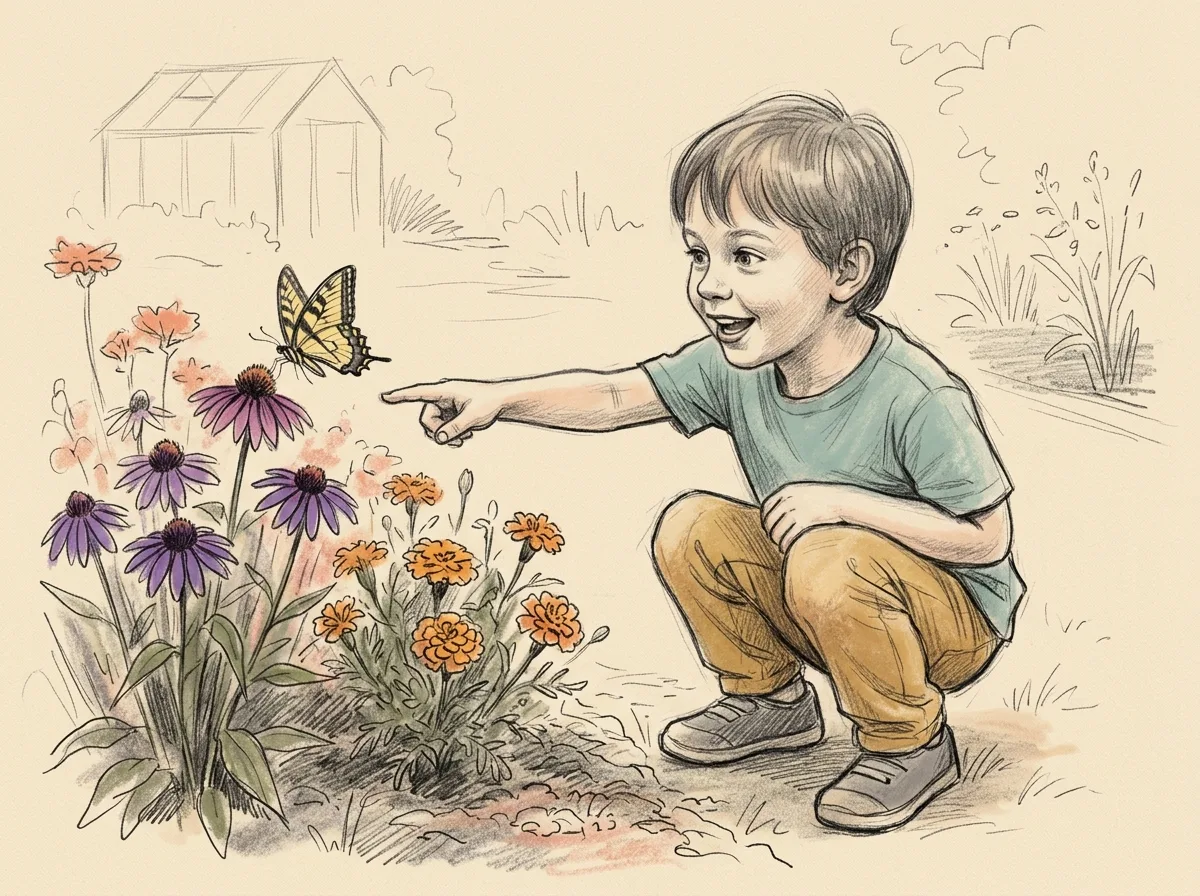
A word your child hears in a real moment sticks far better than one from a flashcard alone. Turn ordinary routines into tiny counting talks. At breakfast: "How many blueberries? Let's count — one, two, three." On the stairs: "Ten steps up." Getting dressed: "Two socks, two shoes."
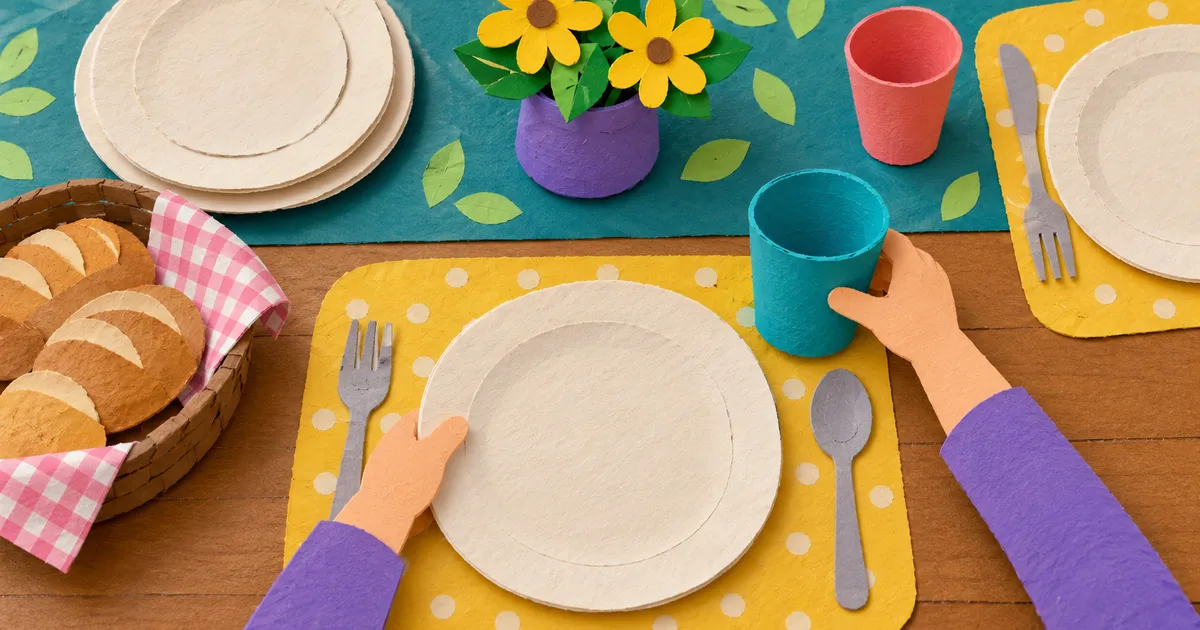
Ask your child to call out the numbers, not just listen. "You count the forks." "Give me four grapes, please." When a child hands over the right amount, the number has done a real job, and that is when it becomes their own. Keep your voice calm and glad; a wrong tally is just another try, not a mistake to fix hard.
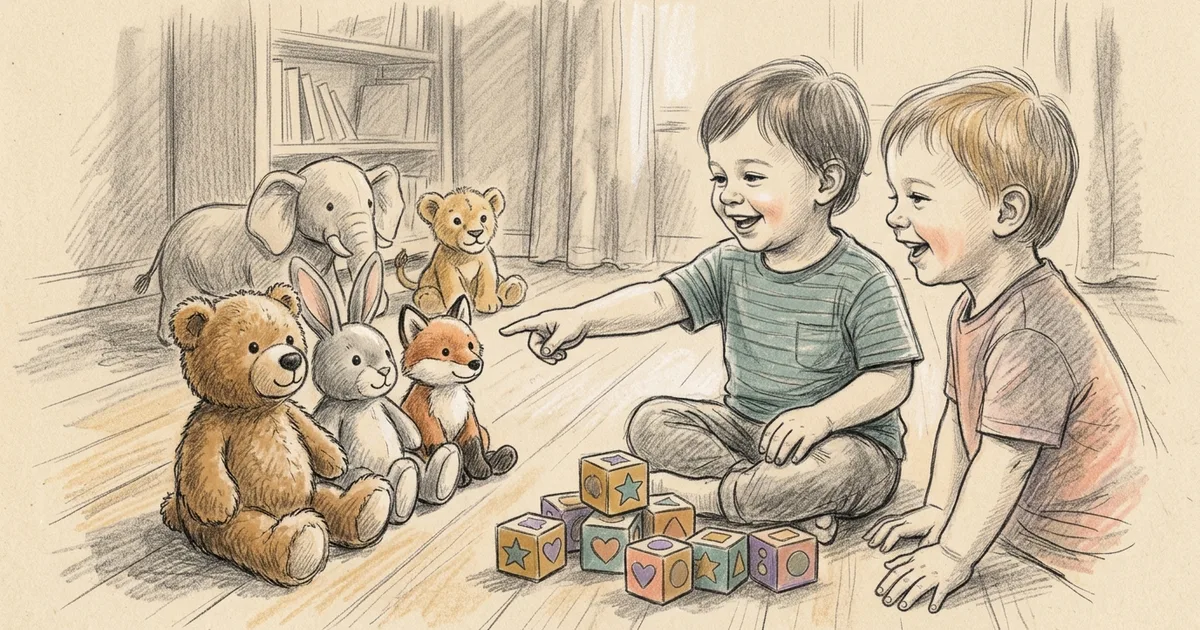
Mix numbers with words your child already knows — colors, toys, food. "Three red cars." "Five yellow ducks." This joins two easy topics and shows how English builds short phrases from small parts, which is exactly the aim of English Numbers Vocabulary for Kids (Pre-A1): Words and Activities at this stage.
Activities by Age
The same word set works for a four-year-old and a nine-year-old, but the game changes. Younger children need movement, touch, and short bursts. Older children can read the number words, write them, and count higher. Match the activity to the child and the words carry themselves.
For an older child (10–15) who is new to English, keep the number practice but raise the language around it: telling the time, scores in a game, house numbers, or a phone number spoken one digit at a time. The numbers are simple; the sentences that hold them do the growing.
Practice Ideas for Home
Short and often beats long and rare. Pick one game, play it for three minutes, and stop while your child still wants more. Rotate a few games across the week so the words meet your child in new places. This little-and-often rhythm is the heart of English Numbers Vocabulary for Kids (Pre-A1): Words and Activities.
Ten-fingers Game (2 Minutes, No Supplies)
Say a number from one to ten. Your child shows that many fingers as fast as they can and says the word back. Then swap: your child says a number and you show the fingers — let them catch you getting the number wrong. To stretch it, whisper the number, then work your way up to twenty together using both of your hands. End on a number your child is sure of, so you finish on a win.
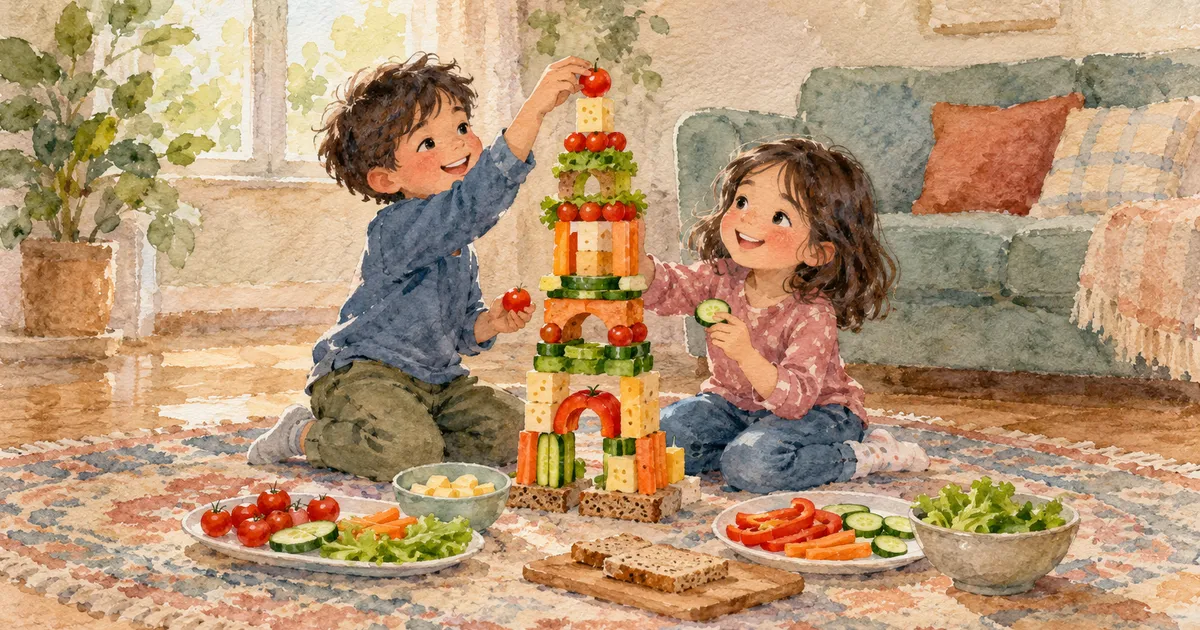
Two more that need almost nothing: a "stairs tally" every time you go up or down, and a "snack tally" where your child sets out the exact number of crackers or grape halves for each person at the table. Both turn a normal moment into one clear number word, said with meaning.
Common Mistakes and Easy Fixes
The "teens" and "tens" sound alike and trip up almost every learner: thirteen versus thirty, fourteen versus forty. Slow down and stress the ending — "thir-TEEN" — and count real objects so the amount, not just the sound, tells them apart.
Watch for jumbled order (skipping fifteen, or saying "twenty-ten" for thirty). Fix it by going through the same short line every day until it flows, then adding the next few numbers. Note the spelling swaps too: four keeps its "u" but forty drops it, and nine loses its "e" in ninety. For an older child who is writing, point these out once and let practice do the rest — no long grammar talk needed.
- Number 10 household items together tonight, from one to ten, out loud.
- Read one numbers picture book before bed, like "Ten Black Dots," for five minutes.
- Practice writing numbers one to five on paper for two minutes daily.
- Play a number matching game using flashcards for three rounds this week.
- Sing a counting song twice today to reinforce number order and pronunciation.
When a word has several meanings or pronunciations, Cambridge Dictionary is a useful check before turning it into child-friendly examples.
Frequently Asked Questions
At What Age Can My Child Start Learning Numbers in English?
From about age four, when your child can already count a few things in their home language. At Pre-A1 the goal is simple: recognize and say the numbers one to twenty, then go up by tens. A good plan for English Numbers Vocabulary for Kids (Pre-A1): Words and Activities uses short, playful sessions of two to three minutes, several times a week, with real objects your child can touch and count.
How Long Does It Take to Learn Numbers 1 to 20?
Most children reach a confident one-to-twenty in three to six weeks of short daily practice, though every child moves at their own pace. Recognizing a number and saying it come first; writing the words comes later, usually around age seven or eight. Go through real things every day and the words settle faster than any worksheet can manage.
Should Our Tutors Teach Counting or Number Recognition First?
Teach counting out loud first — the rhythm of one, two, three is easy and fun. Then link each spoken number to an amount your child can see, so "five" means five real objects, not just a sound in a list. Reading and writing the number words come last, once the spoken set is steady and your child asks about the letters.
My Child Mixes up Their Home Language and English Numbers. Is That a Problem?
No — mixing languages is normal and passes on its own, especially in homes where your child already hears two or three languages. Keep each numbers game in one language at a time so the sets stay clear. If your child switches to another language while going through the numbers, just smile and count the same objects again in English. The words sort themselves out with steady, calm practice.
A short one-to-one lesson can show what level and pace fit your child — book a trial English lesson.
Stay updated on our latest tips and resources by following us on Instagram LearnLink.