Stage Fright in Public Speaking for Kids
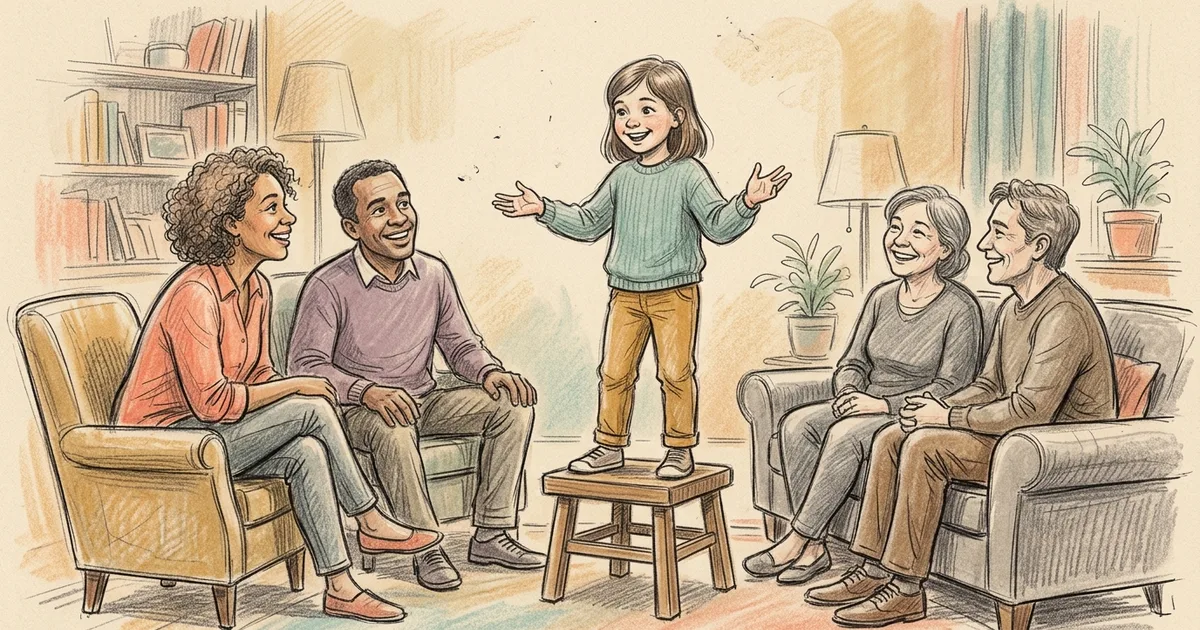
Overcoming stage fright in public speaking for kids begins with one fact: stage fright is a body alarm, not proof that a child cannot speak well. A nervous child may shake, forget familiar words, rush, or want to escape. Neither a surprise performance nor complete avoidance helps. Make the task small, explain what will happen, practise gradually, and teach a recovery plan. The aim is not to remove every butterfly, but to help a child begin, recover from a difficult moment, and finish a manageable speaking task.
📥 My Calm Speaking Practice Kit
Notice stage fright, practise safely, and grow into confident speaking.
Leave your email — we'll send the PDF to your inbox.No spam — the PDF plus one short reminder. Unsubscribe anytime.
What Stage Fright Looks Like
Stage fright appears when a child expects others to watch or judge them. It affects outgoing and quiet children. One child may freeze during show-and-tell. Another may whisper, rush through a presentation, act unusually silly, report a stomach ache, or forget a sentence that felt easy at home. These reactions do not indicate laziness, bad manners, or few ideas.
The first step in overcoming stage fright in public speaking for kids is separating fear from ability. Say, “Your body is telling you this feels risky,” instead of, “You are shy.” A label sounds permanent; a body response can be noticed and managed. Mild nerves may remain after careful practice, yet a child can still give a worthwhile talk.
Balance support with pressure. Avoiding every speaking task brings quick relief but can make the next task harder. Forcing an overwhelming performance can deepen fear. Keep one achievable action: say the opening line to one adult, answer a prepared question, or show a teacher a private recording before speaking live.
Create Safety Through Predictable Practice
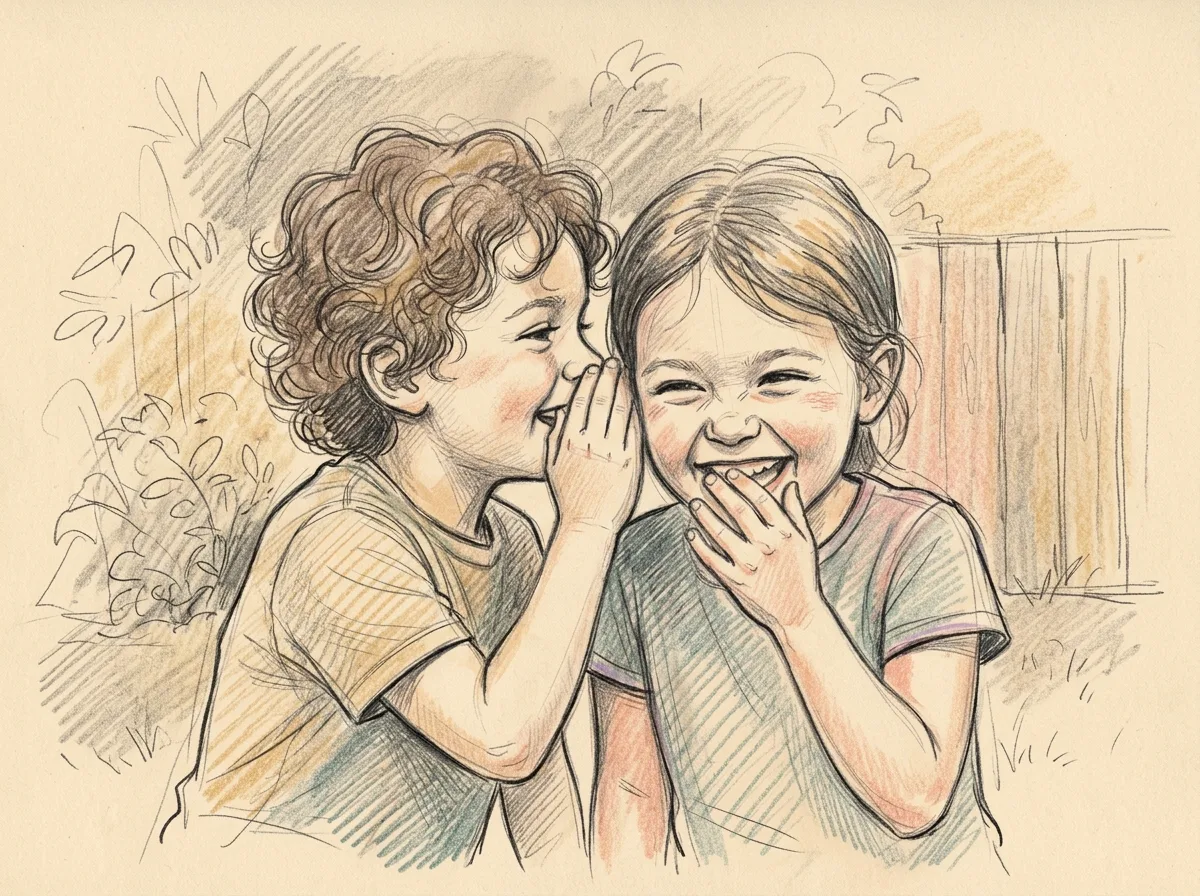
For families working on overcoming stage fright in public speaking for kids, predictability reduces uncertainty. Tell the child who will listen, where they will stand or sit, how long the talk lasts, whether notes are allowed, and what follows. Do not add surprise listeners. A five-minute practice with a fixed endpoint often works better than a long rehearsal the night before.
Offer choices within a firm plan. A child might choose a picture cue, speak first or second, or select the family member who listens. The speaking still happens, but the child controls part of the process. Respond calmly to fast breathing or tears: “Let us make the first step smaller,” not, “There is nothing to fear.”
Age shapes practice. Younger children need play, short turns, and adult modelling. Older children can plan their talk, identify a specific worry, and rehearse likely questions. From age 4 to 15, adjust the challenge without removing every chance to speak.
Build a Gradual Speaking Ladder
A gradual ladder is central to overcoming stage fright in public speaking for kids. Begin below the point where fear takes over, then change one part of the challenge at a time. Keep familiar material while adding a listener, or keep the audience while lengthening the talk. Do not introduce new words, a new room, and a larger audience in one practice.
- Say two prepared sentences to a toy, pet, mirror, or voice recorder.
- Repeat the sentences to one trusted adult or sibling.
- Give the same short talk to two familiar listeners.
- Practise in the real room or on the online platform without an audience.
- Complete one brief speaking turn in the real setting.
Move forward when the step feels manageable, not only when the child feels calm. If distress rises sharply, return to the previous step and try another day. Adjustment is not failure. Short, successful attempts build a stronger base than one exhausting rehearsal.
The One-Minute Family Talk
Ask your child to choose a familiar object. Give them 30 seconds to prepare three points: what it is, why they chose it, and one detail. They speak for up to one minute to one listener. The listener names one strength and asks one friendly question. On another day, repeat the talk with two listeners.
For a multilingual child, separate language planning from performance practice. Let the child organise ideas in the language that makes thinking easiest, then choose the English words needed. This respects the child’s full language knowledge and reduces the strain of finding words while managing an audience.
Teach the Skills Behind a Calm Presentation
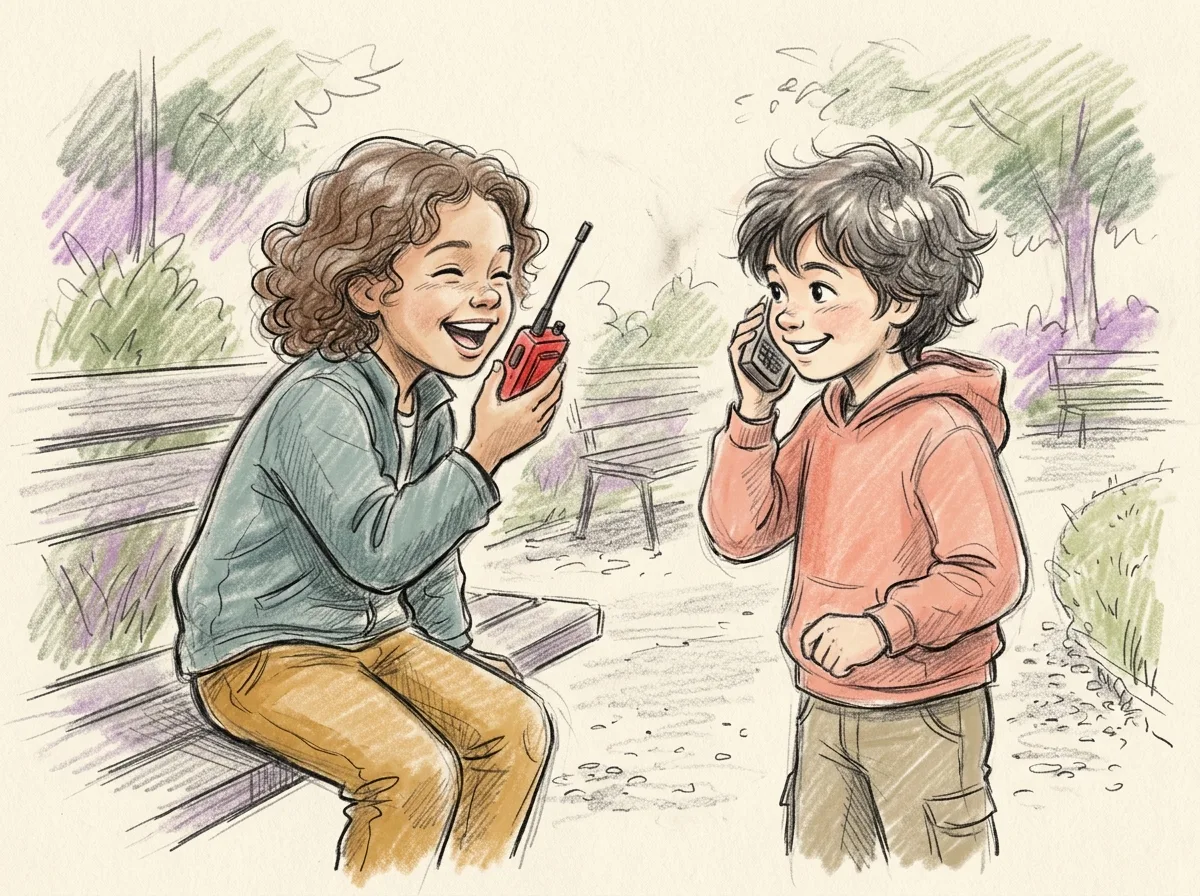
Overcoming stage fright in public speaking for kids becomes easier when a presentation is divided into skills: opening, main points, closing, volume, pace, posture, and recovery. Practise one skill at a time. A child can describe a photograph while focusing on volume, then retell a familiar story while practising pauses. Familiar content leaves more attention for delivery.
Learning the first sentence by heart can make starting safer. Memorising every word often creates pressure because one missed line may make the speech feel lost. Use cue cards with keywords, small pictures, or one short phrase per point. Teach a recovery sentence such as, “Let me check my next point,” or, “I will start that sentence again.”
Keep feedback narrow and factual. Replace “That was perfect” with “I heard every word,” “Your opening told me the subject,” or “You checked the card and continued after the pause.” Then choose one next step. Frequent corrections make children monitor each word instead of communicating, especially in a newer language. Practise grammar or pronunciation separately unless an error blocks meaning.
Prepare for the Presentation and Review It Effectively
On the day itself, overcoming stage fright in public speaking for kids depends on reducing surprises. Confirm the room or video platform, time limit, speaking order, audience, and permission to use notes. Test slides or a microphone when possible. Rehearse the opening once, then stop making changes. Last-minute correction can turn preparation into pressure.
Before speaking, the child can press both feet into the floor and breathe out slowly. Longer, unforced breaths out may settle their pace. They can look at friendly faces, foreheads, or fixed points instead of holding constant eye contact. If their mind goes blank, follow the plan: pause, breathe out, check the next cue, and continue.
Afterwards, ask about actions instead of demanding a fear score: “What helped you begin?”, “Where did you recover?”, and “What would you keep next time?” Praise preparation, courage, and completion. A missed word or quiet sentence does not erase the progress of speaking. Avoid comparisons with siblings or classmates, and do not make prizes or applause the test of success.
Know When More Support Is Needed
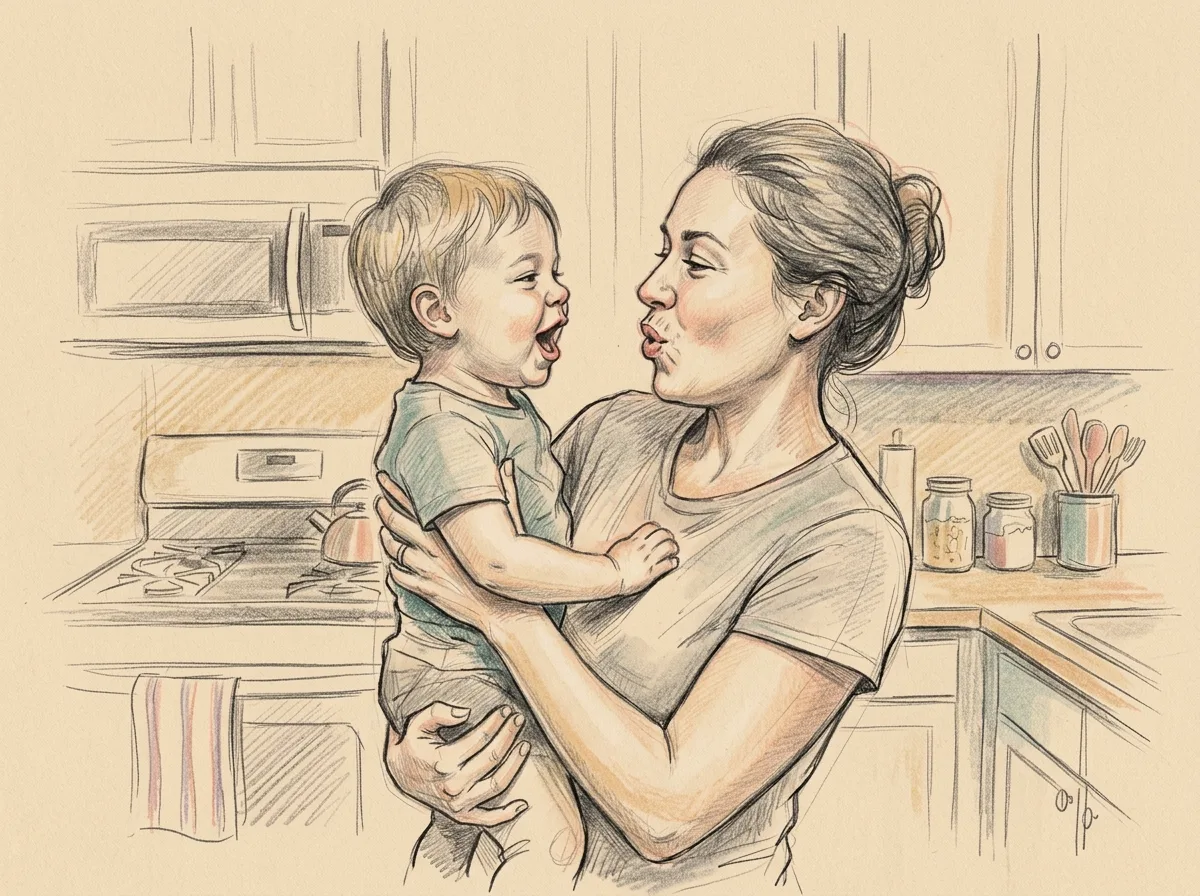
Children may need agreed adjustments while building confidence. A teacher might allow a talk to one adult, then a small group, before whole-class speaking. A child might answer a prepared question instead of unexpected ones. Agree on each step beforehand. Public teasing, sudden questioning, and embarrassment as motivation can damage trust.
Seek professional advice when fear repeatedly disrupts school attendance, sleep, friendships, lessons, or ordinary family activities; causes intense physical distress; or spreads beyond public speaking. A school counsellor, paediatrician, or licensed mental health professional can assess broader anxiety. The American Academy of Pediatrics also provides parent resources for understanding children’s health and finding appropriate support.
During LearnLink one-to-one lessons, our tutors can make English speaking turns predictable, rehearse openings and recovery phrases, and adjust the pace without exposing each mistake to a group. This controlled setting can support overcoming stage fright in public speaking for kids, but should remain part of a wider ladder that includes safe speaking with relatives, classmates, and other listeners.
- Notice stage fright lasting four weeks and affecting school, sleep, or friendships.
- Ask your child’s teacher to record patterns across three speaking activities.
- Practice box breathing with children ages seven and older before presentations.
- Use a feelings scale from one to ten after each rehearsal.
- Contact a pediatrician or therapist when fear causes avoidance or physical symptoms.
Frequently Asked Questions
How Early Can a Child Start Practising Public Speaking?
Children can begin around age four with playful speaking instead of formal speeches. They might introduce a toy, describe a picture, finish a familiar story, or tell one person about their day. Keep the turn under a minute and model it first. The practice builds core public-speaking skills: choosing an idea, ordering details, using an audible voice, and addressing a listener.
Should a Nervous Child Memorise the Whole Speech?
Usually not. Full memorisation can make one forgotten word feel disastrous. Help your child learn the opening and closing lines, then use cue cards with keywords or pictures for the middle. Children who understand their message can change the wording and continue. This flexibility supports overcoming stage fright in public speaking for kids.
What Should We Do If Our Child Cries or Refuses to Speak?
Lower the immediate pressure without removing the routine. Say calmly, “This step feels too big today.” Offer two smaller choices, such as saying the first line privately or recording it for the teacher. Do not shame, threaten, bargain in public, or add a surprise audience. If refusal recurs or causes severe distress, consult the school and a qualified health professional.
Can Online English Lessons Help with Stage Fright?
Yes. A one-to-one online lesson provides a controlled place to practise greetings, short explanations, storytelling, and follow-up answers with one listener. Predictable routines may reduce uncertainty for a first-time online learner. Online practice should not be the final step. Once comfortable, the child can gradually speak to familiar people, small groups, and eventually the audience required by school or community activities.
A short one-to-one lesson can show what level and pace fit your child — book a free English lesson.
Stay updated on our latest tips and resources by following us on Instagram LearnLink.