Park Vocabulary for Kids
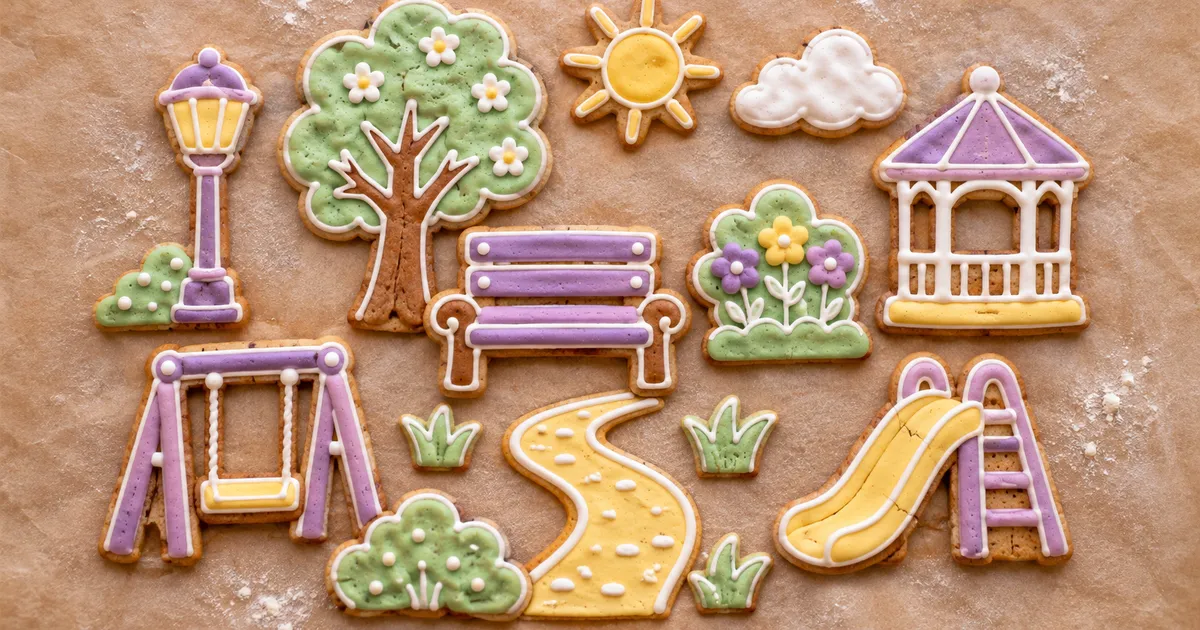
Build a park word set with names such as bench, path, tree, and slide, followed by actions and phrases. Park Vocabulary for Kids: Words and Activities gives your child language to see, hear, and use during a visit. Start with six to eight words, practise through movement and questions, then expand once recall feels easy. Parks differ across countries and neighbourhoods, so match the words to a familiar place. A city square, playground, and green park may require different sets.
Core Words for a Visit to the Park
Begin with concrete nouns your child can point to. The table groups park words by meaning so you can teach one set at a time. Our Park Vocabulary for Kids: Words and Activities approach includes verbs and describing words because children need both for sentences.
Teach regular singular and plural forms together: tree–trees, duck–ducks, and bench–benches. Introduce unfamiliar features, such as a pond or seesaw, only when your child can see one in person or in a picture.
Useful Phrases in Context
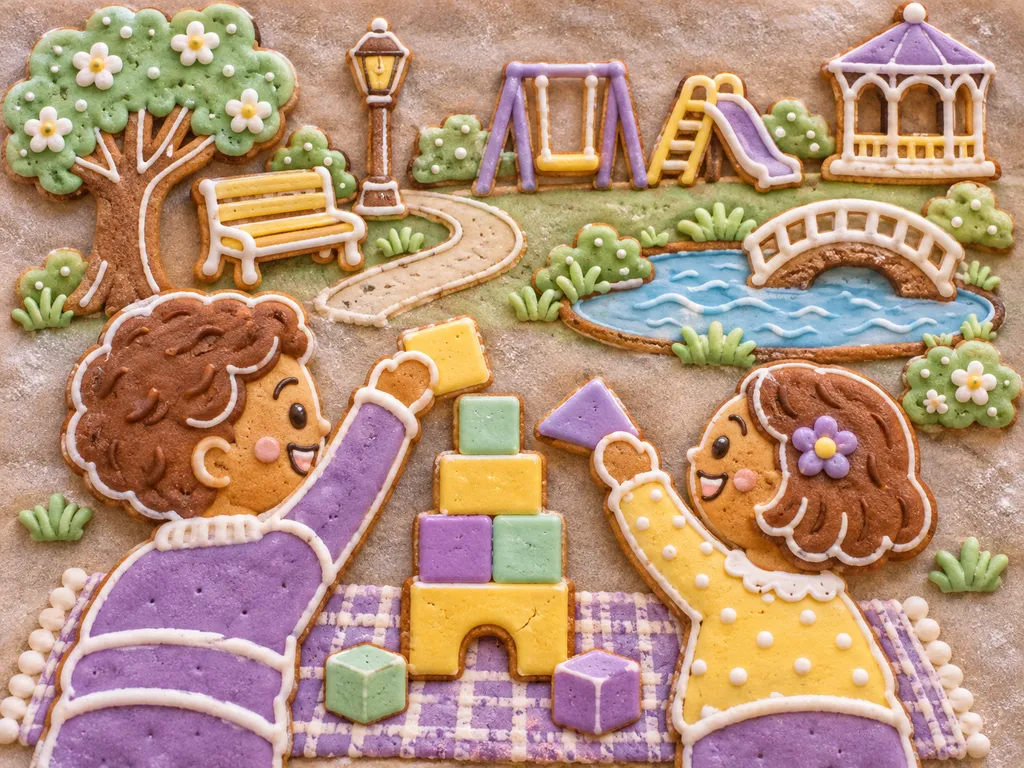
Single words provide a starting point; short patterns make them usable. Practise “I can see a bird,” “There is a bench,” “There are three trees,” and “The dog is under the tree.” Park Vocabulary for Kids: Words and Activities works best when the noun stays familiar and one sentence part changes.
Ask questions inviting short answers: “What can you see?”, “Where is the ball?”, “How many swings are there?”, and “What is the child doing?” Your child might answer, “It is next to the bench” or “The child is climbing.” Accept a correct short answer before requesting a full sentence.
Look, Say, and Change
Say, “I can see a tree.” Your child points, repeats the sentence, and changes one word: “I can see a flower.” Take turns until you have named six things.
Practise polite phrases during shared play: “Can I have the ball, please?”, “Would you like a turn?”, “Let’s play together,” and “Thank you.” These phrases connect park vocabulary with language for speaking to other people.
How to Introduce the Words
Before visiting, choose a small word group and present each item through a photo, toy, drawing, or gesture. Say the word at normal speed, place it in a short sentence, and invite a pointing or acting response. Immediate repetition of every word is unnecessary.
At the park, progress from recognition to recall. First ask, “Where is the slide?” Later ask, “What is this?” Finish with a choice or sentence prompt: “Is the slide high or low?” and “The slide is…” This sequence provides support before independent retrieval.
Afterwards, draw a park map or arrange objects on paper. Ask your child to place the pond next to the path or the ball under the bench. LearnLink tutors can follow the same progression: hear, notice, recall, and use.
Activities for Different Ages
Keep the park theme but vary the task. Younger children need movement and repetition; older learners can describe, compare, plan, and explain.
Match the challenge to your child’s English, not only their age. A multilingual child may grasp the idea quickly but need time to retrieve its English name. Allow pointing, drawing, or another language, then provide the English form and revisit it later.
Practice Ideas and Common Mistakes
Use Park Vocabulary for Kids: Words and Activities in brief sessions across days. Sort picture cards into nature, equipment, people, and actions. Play “What is missing?” with five cards. Give directions on a hand-drawn map, or ask your child to describe a park photo without naming the target object.
A frequent mistake is teaching too many isolated nouns. Pair each set with a verb or place phrase: climb the frame, sit on the bench, walk along the path. Avoid correcting every article or plural ending during a speaking game. Model the correct form naturally and continue the exchange.
Watch prepositions: on the swing, down the slide, in the park, and at the playground. Meaning matters: a playground usually means an area designed for play, whereas a park may include paths, trees, sports areas, or water. Review words your child encounters; skip features absent from the local park.
- Choose five park words and point to each item during your next visit.
- Ask your child to name three objects before using them in sentences.
- Play “I Spy” with bench, swing, slide, path, and tree.
- Correct confusing pairs by contrasting pond and fountain, or path and road.
- Review the same word list, then draw and label a simple park map.
When a word has several meanings or pronunciations, Cambridge Dictionary is a useful check before turning it into child-friendly examples.
Frequently Asked Questions
How Many Park Words Should My Child Learn at One Time?
For a first session, six to eight new words are enough for most children. Include two or three known words so your child succeeds while learning new ones. Add another small group once your child recognises and uses most of the first set without heavy prompting.
Can We Practise Park Vocabulary Without Going to a Park?
Yes. Use a park photo, picture book, toy figures, or a map your child draws. Ask where objects are, what people are doing, and what might happen next. Park Vocabulary for Kids: Words and Activities can become a home movement game: mime climbing, running, swinging, throwing, and catching while naming each action.
Should I Correct Every Mistake My Child Makes?
No. Correct mistakes that block meaning or affect the target word. For a smaller error, repeat the sentence correctly without interrupting the activity. If your child says, “Two bench,” respond, “Yes, two benches.” The response models the form while protecting confidence.
How Can a Multilingual Child Remember the English Words?
Connect each English word directly to an object, picture, action, or place instead of relying on translation. Review it in short contexts: point to a swing, mime swinging, and use “on the swing” in a sentence. Other languages remain a resource; brief language mixing can support understanding until the English form becomes familiar.
A short one-to-one lesson can show what level and pace fit your child — book a trial English lesson.
Stay updated on our latest tips and resources by following us on Instagram LearnLink.