Plural Nouns Ending in Y for Kids
Two patterns govern regular plural nouns ending in y: change consonant plus y to ies, but add s after vowel plus y. A baby becomes babies; a toy becomes toys. English has five vowels—a, e, i, o, and u. Children choose the correct form by checking the letter before the final y. Plural Nouns Ending in Y: A Practical Guide for Kids teaches this routine through examples and short tasks. Children can then discuss families, stories, countries, toys, and everyday subjects accurately.
What Children Need to Understand First
A plural noun names more than one person, animal, place, object, or idea. One puppy is singular; two puppies are plural. Before studying the y rule, your child should find the noun and decide whether the sentence means one or more than one. Pictures and real objects help younger learners see the difference.
Check the character immediately before the final y. Plural Nouns Ending in Y: A Practical Guide for Kids uses this visual check because it reveals the correct spelling. In city, y follows t, a consonant; in key, it follows e, a vowel. This difference determines the plural form.
English has five written vowels: a, e, i, o, and u. Every other alphabetic character is a consonant. Skip lengthy grammar labels. Ask: “What comes immediately before the y?” Then identify the letter as a vowel or consonant.
The Two Spelling Patterns
When a singular noun ends in a consonant plus y, remove the y and add ies: baby–babies, story–stories, family–families, country–countries, and party–parties. Only the spelling changes. The plural still means two or more.
When a noun ends in a vowel plus y, keep the y and add s: boy–boys, day–days, key–keys, toy–toys, and monkey–monkeys. Plural Nouns Ending in Y: A Practical Guide for Kids teaches one decision before changing letters: consonant or vowel?
Plural endings may sound different. In babies, the ending sounds like “eez”; in toys, the final s sounds like “z.” Focus spelling practice on the written pattern. Sound supports reading aloud, but the letter before y guides these regular plurals.
Rules and Examples at a Glance
The table combines both patterns. Read each noun, point to the letter before y, and compare the plural. Cover the final column for a quick oral quiz.
Use the plurals in complete sentences: “The babies are sleeping,” “We read two stories,” and “The keys are on the table.” Sentences connect spelling with communication and help tutors check noun–verb agreement, such as baby is versus babies are.
A Simple Teaching Sequence by Age
For children, begin with pictures or objects: one toy and two toys, one puppy and three puppies. Say the words, count the items, and build each plural together. Limit one short round to two or three examples from each pattern.
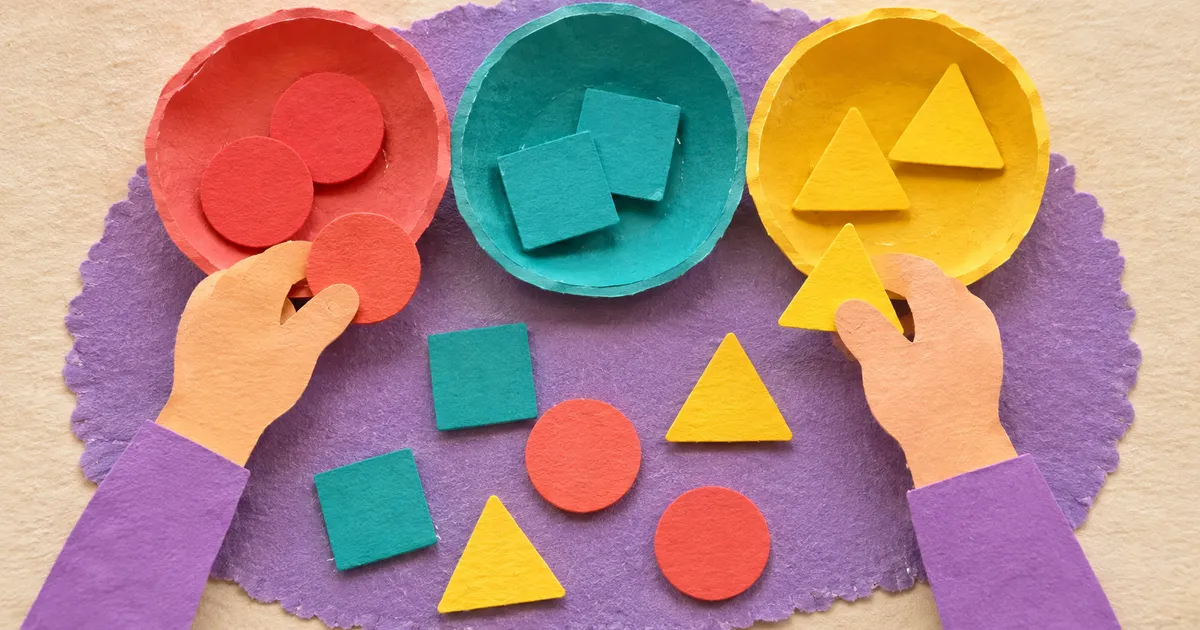
Children can sort word cards into consonant-plus-y and vowel-plus-y groups before writing plurals. Plural Nouns Ending in Y: A Practical Guide for Kids supports three steps: underline the final y, circle the preceding letter, and apply the matching rule. Sorting replaces guessing with pattern recognition.
Older children can use the nouns in longer sentences, messages, or paragraph editing. Ask why families changes but days does not. Explaining the reason tests their understanding and gives multilingual learners a dependable English spelling process without treating another language’s plural system as an error.
Common Mistakes and How to Correct Them
A frequent mistake is adding s to every noun: babys, citys, and storys. Return to the letter before y. Because b, t, and r are consonants, change the final y to ies. Have the child say: “Consonant before y, remove y, add ies.”
The opposite error changes every final y: boies, keies, or toies. In boy, key, and toy, a vowel precedes y, so the y stays. Plural Nouns Ending in Y: A Practical Guide for Kids places both forms side by side, showing when spelling changes.
Some children spell the plural correctly but pair it with a singular determiner or verb: “one puppies” or “the babies is.” Correct the whole phrase: one puppy, two puppies; the baby is, the babies are. This links spelling, number, and grammar. Reread the full sentence after each correction.
Practice Activities at Home or in Lessons
Short practice works best when children choose instead of copying. Mix both patterns so learners inspect the letter before y each time. Plural Nouns Ending in Y: A Practical Guide for Kids can remain visible until the routine becomes automatic.
Change Each Noun to Its Plural Form
Write the plural of each word: 1. baby, 2. toy, 3. city, 4. key, 5. puppy, 6. day, 7. family, 8. monkey. Answers: babies, toys, cities, keys, puppies, days, families, monkeys.
After checking answers, ask your child to explain two choices: one word changed to ies and one kept y. An accurate explanation proves the child can apply the rule to a new noun.
Complete the Sentences
Fill each gap with the correct plural: 1. The ___ are in the box. (toy) 2. We visited two ___. (city) 3. The ___ are open. (library) 4. Put the ___ on the desk. (key) 5. Three ___ came to the garden. (butterfly) Answers: toys, cities, libraries, keys, butterflies.
For a spoken game, say a singular noun and request its plural within five seconds. Mix story, boy, lady, holiday, country, and tray. After an error, ask the checking question before giving the answer: “Which letter comes before y?”
For the rule wording, Wikipedia — English Grammar is a useful reference while the practice examples here stay adapted for children.
Frequently Asked Questions
These questions address y-ending plurals in independent writing. Keep the rule visible during early practice, then remove it once your child can explain each choice.
Accuracy and confidence matter. Correct one pattern at a time, request the reason, and finish with a natural sentence.
When Does Y Change to Ies in a Plural Noun?
Change y to ies when a singular noun ends in a consonant followed by y. Baby becomes babies, city becomes cities, and story becomes stories. Ask your child to inspect the letter before y. If it is a consonant, remove y and add ies. This rule applies to regular countable nouns with this ending.
Why Do We Write Toys Instead of Toies?
Toy ends in a vowel followed by y: o comes before y. With vowel plus y, the y stays and the noun takes s. This produces toys, boys, days, keys, and monkeys. Children may overuse ies, so circle the vowel before adding the plural ending.
How Can I Help My Child Remember the Rule?
Ask one checking question: “What letter comes before y?” After a consonant, change y to ies. After a vowel, keep y and add s. Plural Nouns Ending in Y: A Practical Guide for Kids reinforces this routine with paired examples. Sort cards, state the reason aloud, and write one sentence.
Should My Child Learn the Spelling Rule or Memorise Each Word?
Teach the rule first, then revisit frequent words until they become familiar. The rule helps your child handle a new noun such as butterfly or chimney without memorising every plural separately. Memory improves speed; understanding supports self-correction. Butterflies changes because l is a consonant, while chimneys keeps y because e is a vowel.
What Should I Do If My Child Knows the Rule but Still Makes Mistakes?
Slow the task and add visible steps. Ask your child to underline y, circle the preceding letter, label it vowel or consonant, and form the plural. Practise four to six mixed words instead of a long list. For free writing, add an editing check: “Did every plural noun ending in y follow the right pattern?”
A short one-to-one lesson can show what level and pace fit your child — book a trial English lesson.
Stay updated on our latest tips and resources by following us on Instagram LearnLink.