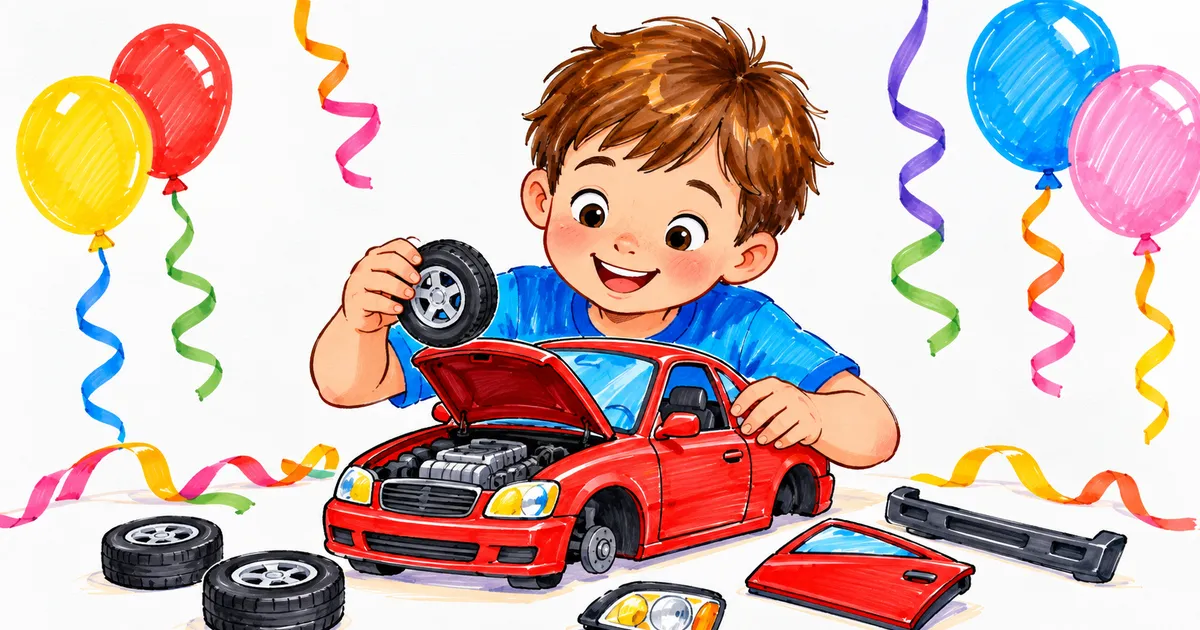
Should for Advice in English for Kids
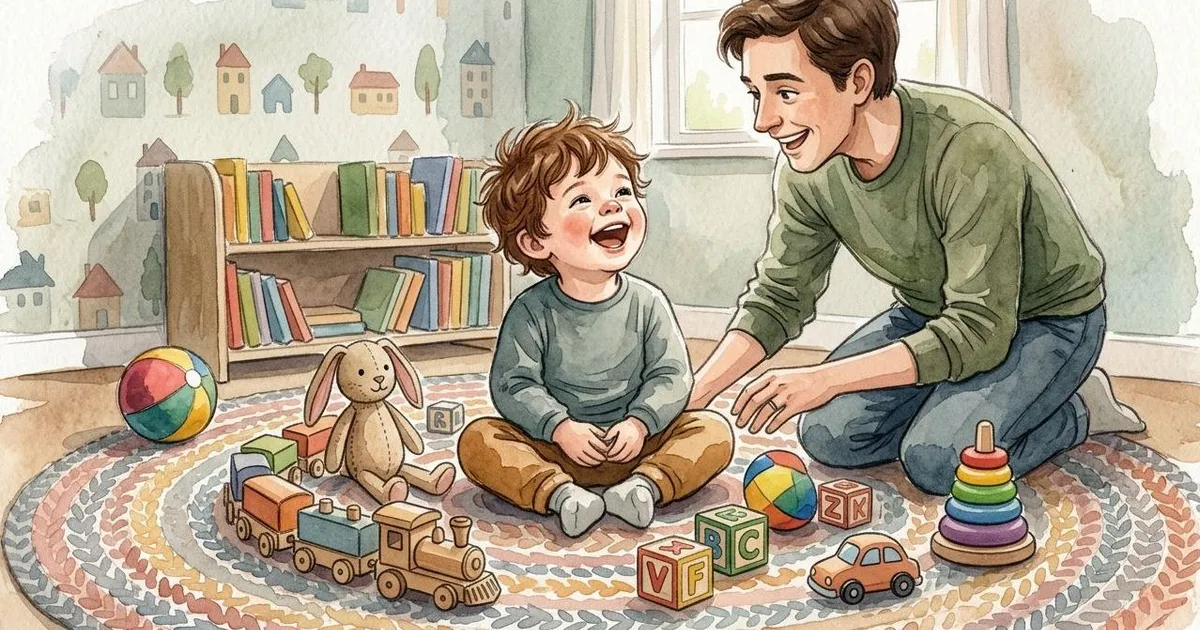
English speakers use “should” for advice without orders. Children learn one steady pattern: person + should + base verb. “You should wear a coat,” “He should say sorry,” and “We should read for ten minutes” all match. Ages 4-15 need should for advice in English for kids because advice comes up at home, class, games, friendships, and online lessons.
Why This Grammar Point Matters
Children often learn rules before tone. They may know “Eat your lunch” or “Do your homework,” yet those lines can sound direct in English. “You should eat something before football” keeps the message softer and more helpful.
That makes should for advice in English for kids worth careful teaching. Children can suggest, help, warn, and show care without sounding bossy. A young child can say, “You should sit down.” An older learner can say, “You should check your answer again.”
For multilingual children, “should” links home languages and English. Some languages use one form for advice, duty, and rules. English separates them, so children need repeated examples before that difference feels natural.
What “Should” Means, and What It Does Not Mean
“Should” means “I think this is a good idea.” It gives advice, not strict orders. The pattern stays simple: person + should + base verb. Say “You should drink water,” not “You should to drink water” or “You should drinks water.”
The negative form is “should not” or “shouldn’t.” Children hear “shouldn’t” in daily speech: “You shouldn’t run near the road,” “You shouldn’t shout in the library,” or “You shouldn’t share your password.” The next verb stays plain: run, shout, share.
Questions with “should” help children request advice: “Should I bring my jacket?” “Should we start now?” “What should I do?” These frames support shy learners and give parents simple practice lines for should for advice in English for kids.
A Step-by-step Way to Teach “Should”
Start with real needs, not grammar charts. Show a picture or act out a small problem: a cold child, a heavy bag, a sad friend, a broken pencil. Ask, “What is a good idea?” Then model: “She should wear a coat.” “He should ask for help.”
Next, keep verb form steady. Many children add “to” after “should” because they know “want to” and “need to.” Compare: “I want to play,” “I need to rest,” “I should rest.” The child hears that “should” takes the plain verb.
Then add choice. Give two advice options and ask which fits. “The room is messy. Should he clean it or eat ice cream?” Now should for advice in English for kids feels practical because grammar links with real situations.
Practice: Choose the Best Advice
Complete each sentence with one verb: rest, listen, share, ask. 1. Your friend does not understand the game. You should ____ the rules again. 2. Your sister is tired. She should ____. 3. You have one cookie and your friend has none. You should ____. 4. You do not know the word. You should ____ your tutor.
Practical Examples Children Can Use
Young children need short, concrete sentences. For school-age kids, connect advice with body, toys, food, and safety: “You should wash your hands,” “You should hold the cup with two hands,” “You shouldn’t put crayons in your mouth.” Repeat the pattern often.
Children can handle school and friendship examples: “You should write the date,” “You should say thank you,” “You shouldn’t laugh when someone makes a mistake,” and “What should we do first?” These sentences teach grammar and social English together.
Older learners can use “should” for study skills and opinions: “You should give a reason for your answer,” “We should compare both ideas,” or “People shouldn’t post private photos online.” The grammar stays fixed; thinking grows deeper. This keeps should for advice in English for kids useful from early speaking practice through teenage discussion.
Common Mistakes and How to Fix Them
The most common mistake adds “to”: “You should to sleep.” Correct gently by repeating the full sentence: “Yes, you should sleep.” Skip long explanations during conversation. A clear model works better than a lecture, especially for younger children.
Another error changes the verb: “He should goes.” Children know “he goes,” so they copy the ending. Show that “should” carries the grammar job, so the next verb stays plain: “He goes” but “He should go.” “She eats” but “She should eat.”
Some children overuse “should” and sound too certain. Teach soft openers for older learners: “Maybe you should…,” “I think you should…,” and “You could also….” This keeps should for advice in English for kids polite in real conversation.
Practice: Fix the Sentence
Rewrite each sentence correctly. 1. You should to drink water. 2. He should wears a helmet. 3. We should not to shout. 4. What I should do? 5. She should asks her dad.
Tips for Parents and Teachers
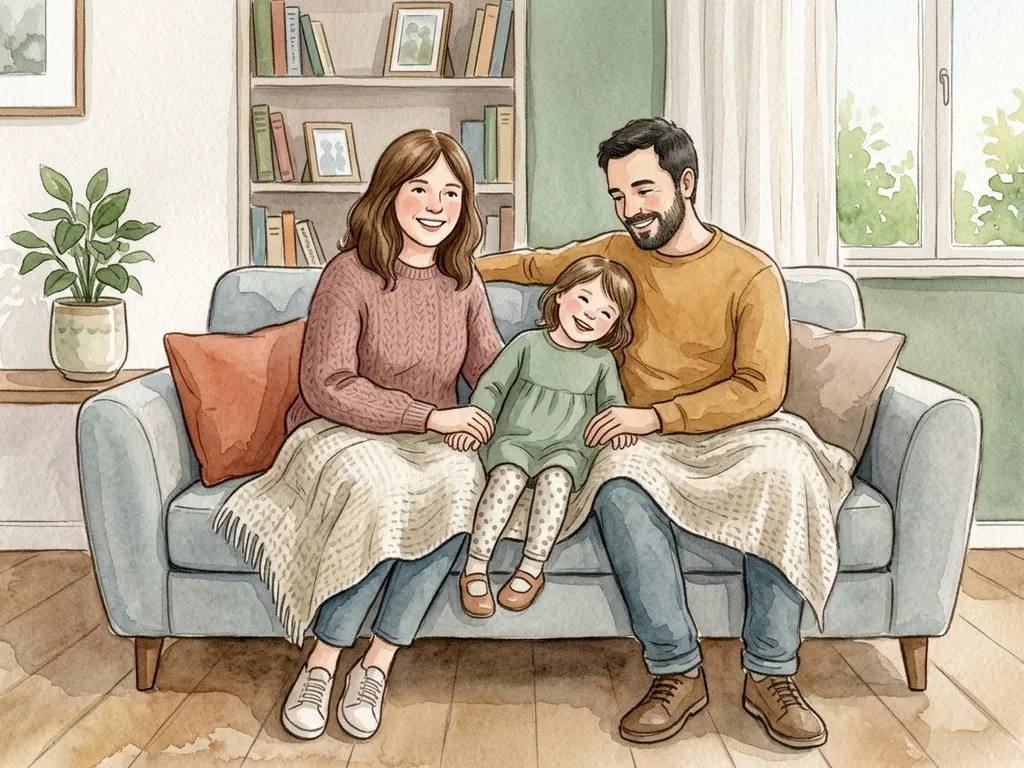
Use “should” during small family moments. At breakfast, say, “You should take your water bottle.” Before a call, say, “We should check the sound.” During reading, ask, “What should the person do now?” Short uses make grammar feel normal.
Across LearnLink lessons, online English tutors for children build this grammar into speaking tasks, stories, games, and correction. The aim is not rule recitation. The child learns to choose the right phrase at the right time.
If your child is new to online learning, keep practice short. Five clear sentences beat twenty rushed ones. End with one answerable question: “What should you do before bed?” or “What should we bring to the park?” This makes should for advice in English for kids easy to repeat without pressure.
Practice: Give Advice
Read each problem and say one sentence with “should” or “shouldn’t.” 1. A child forgot a pencil. 2. A friend is sad. 3. Someone is running by the pool. 4. Your room is dark and you want to read. 5. You have a test tomorrow.
Quick Recap and Next Steps
Teach “should” as a kind advice word. The form stays stable: should + base verb. The meaning stays gentle: a good idea, not a command. Strong practice starts with real situations children understand.
For a young learner, start with home and body examples. For a school-age child, add class, friends, and hobbies. For a teenager, use study choices, online safety, and opinions. This keeps should for advice in English for kids age-appropriate without changing the rule.
1. Start with one real problem and model one sentence with “should.” 2. Practice the base verb after “should” until it sounds automatic. 3. Try one advice question each day, such as “What should I do?” 4. Correct “should to” and “should goes” with a calm model, then let the child try again. LearnLink supports English learners aged 4-15 and has worked with 4,000+ families on speaking skills that help children use grammar in real conversations.
Data current as of July 2026.
When a word has several meanings or pronunciations, Cambridge Dictionary is a useful check before turning it into child-friendly examples.
Frequently Asked Questions
At What Age Can a Child Learn “Should” for Advice?
Many children can start using “should” in short phrases from age 5 or 6, especially with clear situations such as being cold, tired, hungry, or late. Older children can use it for study habits, friendship problems, and opinions. The example must feel real.
How Is “Should” Different from “Must”?
“Should” gives advice: “You should wear a coat” means it is a good idea. “Must” gives a strong rule or need: “You must wear a seat belt” means it is required. Children need both, but they should not use “must” for every suggestion because it can sound forceful.
What Is the Easiest Way to Practise at Home?
Use quick problem-and-advice games. Say, “The pencil is broken,” and let your child answer, “You should get a new pencil.” Say, “Someone is sleeping,” and expect, “We shouldn’t shout.” This practises should for advice in English for kids without worksheets or long drills.
Should I Correct Every Mistake When My Child Speaks?
No. Correct the pattern when it blocks meaning or repeats often. If your child says “You should to go,” answer with the correct form: “Yes, you should go.” Then ask one more natural question. Too much correction can stop speech; a clear model keeps the conversation moving.
Start your child's English journey today — book a trial lesson with LearnLink.
Stay updated on our latest tips and resources by following us on Instagram LearnLink.