Words to the Bingo Song for Kids
The words to bingo song for kids are: “There was a farmer who had a dog, and Bingo was his name-o,” followed by B-I-N-G-O. Children hear English rhythm, practise five alphabet names, and join in with little vocabulary. For a 5-year-old, it becomes clap-and-sing play. For an older learner, it becomes spelling, memory, or pronunciation practice. Used well, the song gives parents a warm five-minute English routine at home.
Why This Song Works for English Learners
Short, steady, repeatable songs help children join before every word makes sense. They clap, spot missing sounds, and say “Bingo” with growing control.
That matters when children try online English lessons for the first time. Songs lower pressure. In LearnLink lessons, tutors use short chants and songs because children can speak before longer answers feel ready.
The words to bingo song for kids teach English alphabet names. A learner may know /b/ in “ball” but not the character name “bee.” The song links symbol name, spelling, rhythm, and memory.
The Full Word List in the Song
The song uses a small core vocabulary. Teach meaning first, then sound, then use. Children need no grammar lecture; parents can still make each word visible.
Here are 15 words and chunks from the song. Keep them on cards, a whiteboard, or in a notebook.
Do not teach all 15 words at once to a young learner. Start with three or four: “dog,” “farmer,” “name,” and “Bingo.” Older children can practise “There was,” “who had,” and “his name” as storytelling chunks.
Lyrics Parents Can Teach Step by Step
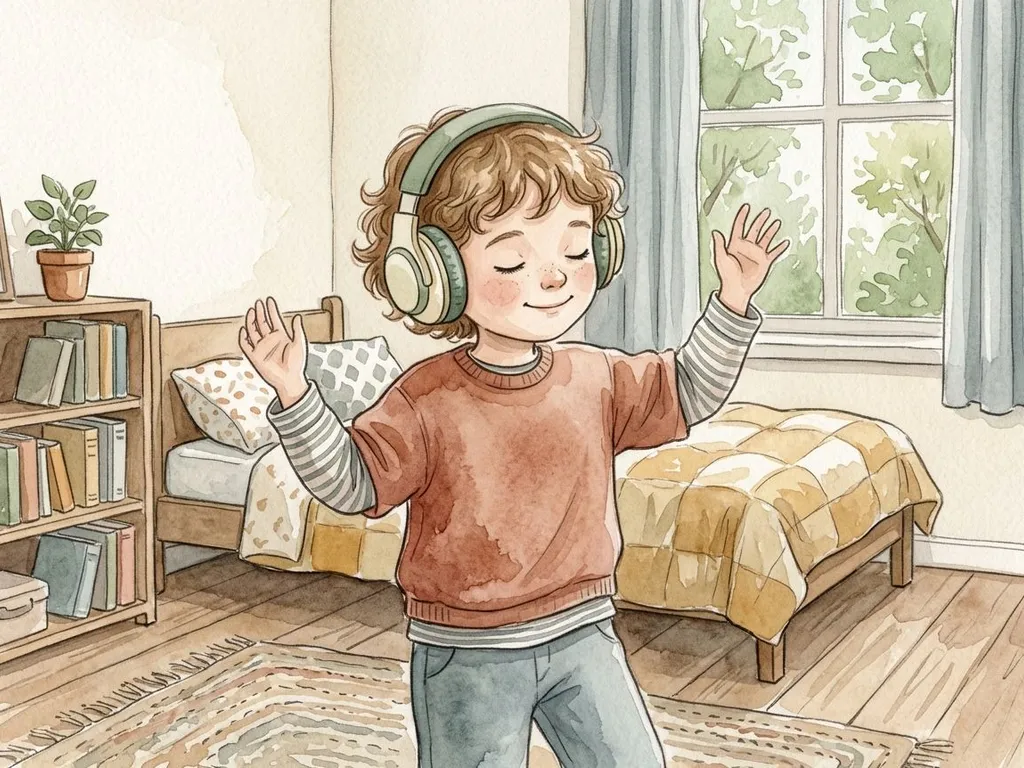
Start with a clean version. Sing slowly; performance does not matter. Aim for speech, rhythm, and confidence.
Here is the main verse:
There was a farmer who had a dog,
And Bingo was his name-o.
B-I-N-G-O,
B-I-N-G-O,
B-I-N-G-O,
And Bingo was his name-o.
After the first verse, replace one character with a clap. Next, replace two characters, then three, until all five symbols become claps. This builds listening and attention.
The words to bingo song for kids work best with movement. Point to each character while singing. When a sound disappears, cover it with your hand and clap. The young learner sees the word stay stable while part of the sound changes.
How to Introduce the Song by Age
A 4- or 5-year-old needs action first. Show a dog picture, say “dog,” and let the young learner bark, point, or clap. Sing only the first two lines. Add spelling after the tune feels familiar.
Children aged 6 to 9 can handle the full song. Give five alphabet cards: B, I, N, G, O. Children hold each card while singing, then turn one card face down when that character becomes a clap.
Older children, from about 10 to 15, may find the song childish when presented only as a nursery rhyme. Treat it as a quick pronunciation and spelling warm-up. Ask them to compare “Bingo” with other five-letter words such as “tiger,” “green,” or “music.”
Pronunciation and Spelling Points to Notice
The alphabet names matter most: B, I, N, G, O. Some children mix up “I” and “E,” especially when their first language uses different vowel names. Slow the song and say each symbol as one beat.
The word “farmer” may be hard because of the /r/ sound. In international English learning, one accent is not the goal. The learner needs clear speech. A two-beat “far-mer” works for this song.
The phrase “his name-o” is playful song language. In normal speech we say, “His name was Bingo.” Tell older children that songs sometimes bend words for rhythm. This keeps “name-o” out of ordinary sentences.
Practice Ideas for Home and Online Lessons
Short practice beats one long session. Sing once, play one game, then stop while the student still feels successful. The words to bingo song for kids can return next day with one small change.
For example, replace “Bingo” with a child’s toy name if it has five letters: “Lego,” “tiger,” or “robot” can work with small changes. Keep rhythm; avoid awkward words.
In an online lesson, a tutor can show alphabet tiles, mute one sound, or ask the learner to type the missing character. Parents can use paper at home. The task stays short while training listening, spelling, and turn-taking.
Five-minute Practice Block
Write B I N G O on five small cards. Sing the first verse once. Turn over B and clap instead of saying it. Sing again. Turn over I and clap twice. Continue until all five letters are hidden. At the end, ask your child to put the letters back in order and read the word aloud.
Common Mistakes and How to Fix Them
One mistake is starting with the full song too fast. If a learner cannot follow the first two lines, remove the spelling part for now. Build the routine in steps: dog picture, name, Bingo, then alphabet sounds.
Another mistake is correcting every sound. Too much correction can make a young learner go quiet. Choose one focus. Today: “B.” Tomorrow: clapping in time.
Parents sometimes ask for perfect memorisation. That is not needed. The words to bingo song for kids work because children repeat them warmly, with low stress. Memory grows through return, not pressure.
- Sing the words to bingo song for kids slowly with ages three to five.
- Clap once for each missing sound during three short practice rounds.
- Use alphabet cards to show B, I, N, G, and O clearly.
- Pause after each verse and ask your child which sound disappeared.
- Practice with one picture book about dogs before singing again.
When a word has several meanings or pronunciations, Cambridge Dictionary is a useful check before turning it into kid-friendly examples.
Frequently Asked Questions
What Are the Words to the Bingo Song?
Families usually need practical words to bingo song for kids lyrics, clear examples, and short exercises children can use right away.
Is the Bingo Song Good for a New English Learner?
Yes, if you use it gently. A beginner can clap, point, and say only “dog” or “Bingo” at first. The song gives a pattern, so the learner can join before speaking in full sentences. Keep pace slow and repeat the same version over several days.
Should I Explain Every Word in the Song?
No. Young children do better with a few focused words than a long explanation. Start with “dog,” “farmer,” “name,” and the sequence B-I-N-G-O. Older children can learn the full sentence pattern: “There was a farmer who had a dog.” Meaning should support the song, not interrupt it.
How Can I Make the Song Less Babyish for an Older Learner?
Turn it into a spelling challenge. Ask your student to choose a five-character English word, write the symbols, and create a new clap pattern. You can time how fast they rebuild the hidden word after singing. This keeps the task age-appropriate without treating the learner like a preschooler.
Start your child's English journey today — book a trial lesson with LearnLink.
Stay updated on our latest tips and resources by following us on Instagram LearnLink.