Adjective Definition for Kids
An adjective adds information about a noun or pronoun. The simplest adjective definition for kids is “a describing word”: small tells us about a dog, blue identifies a cup’s colour, and proud shows how a child feels. Adjectives describe colour, size, shape, sound, taste, texture, feelings, origin, and opinion. They appear before a noun, as in a quiet room, or after a linking verb, as in The room seems quiet. Children can start with objects and pictures, then learn comparisons, word order, punctuation, and sentence editing.
📥 Adjective Definition for Kids
A practical guide to describing, comparing, and editing
Leave your email — we'll send the PDF to your inbox.No spam — the PDF plus one short reminder. Unsubscribe anytime.
What an Adjective Means for Children
A practical adjective definition for kids starts with names and details. In The rabbit has soft fur, rabbit and fur name things, while soft adds detail about the fur. Ask, “Which word tells us more about the person, place, animal, or thing?” Children can apply this question more easily than a long rule.
Begin with details a child can see, hear, taste, or touch: a red block, a loud drum, sweet fruit, and a rough stone. Next, introduce feelings and qualities: a nervous swimmer, a patient friend, or The children feel proud. This shows that adjectives describe more than appearance.
Adjectives make meaning exact. Compare I found a shell with I found a smooth, pink shell. The first reports an event; the second creates a picture. A precise adjective definition for kids teaches restraint too. One or two specific details beat a chain of broad words such as nice, good, and amazing.
Where Adjectives Go in a Sentence
The first position is before a noun: a green apple, a careful driver, or three small bags. Teach adjective + noun first. An article, number, or possessive may come earlier: a warm coat, two warm coats, and her warm coat. This pattern anchors the adjective definition for kids.
An adjective can follow a linking verb such as be, look, feel, sound, smell, taste, seem, or become. In The soup smells fresh, fresh gives information about the soup. In They are tired, tired characterises the pronoun they. The verb connects the description to its subject.
Position offers a clue, but meaning confirms the answer. Hungry describes the dog in both the hungry dog and The dog is hungry. Ask which noun or pronoun receives the detail. This test keeps the adjective definition for kids accurate without requiring the formal terms attributive and predicative.
Useful Kinds of Adjectives
Children can group adjectives by the questions they answer. “What colour?” leads to green, golden, or purple. “How big?” leads to tiny, wide, or tall. Words such as round, square, and curved describe shape; soft, rough, and smooth describe texture. These groups make the adjective definition for kids memorable.
Other adjectives describe feelings, qualities, and opinions. A person may feel happy, worried, calm, or lonely. A friend may be honest, brave, or helpful. Words such as funny, difficult, and boring express opinions. Ask for a reason: The puzzle was difficult because pieces looked alike. Reasons help children choose accurate words.
Quantity requires care. Traditional school grammar may call number words adjectives because they add information, as in two white cats. Modern grammar systems often classify two, each, and similar words as determiners. Beginners need not settle the debate: white gives the cats’ colour, while two gives their number. The practical adjective definition for kids focuses on each word’s job.
A bright star shone.
The gentle horse waited.
This suitcase feels heavy.
The hungry bird chirped.
The drums sound noisy.
The moon looks round.
Feel this soft blanket.
We flew a colourful kite.
How to Form Comparatives with Adjectives
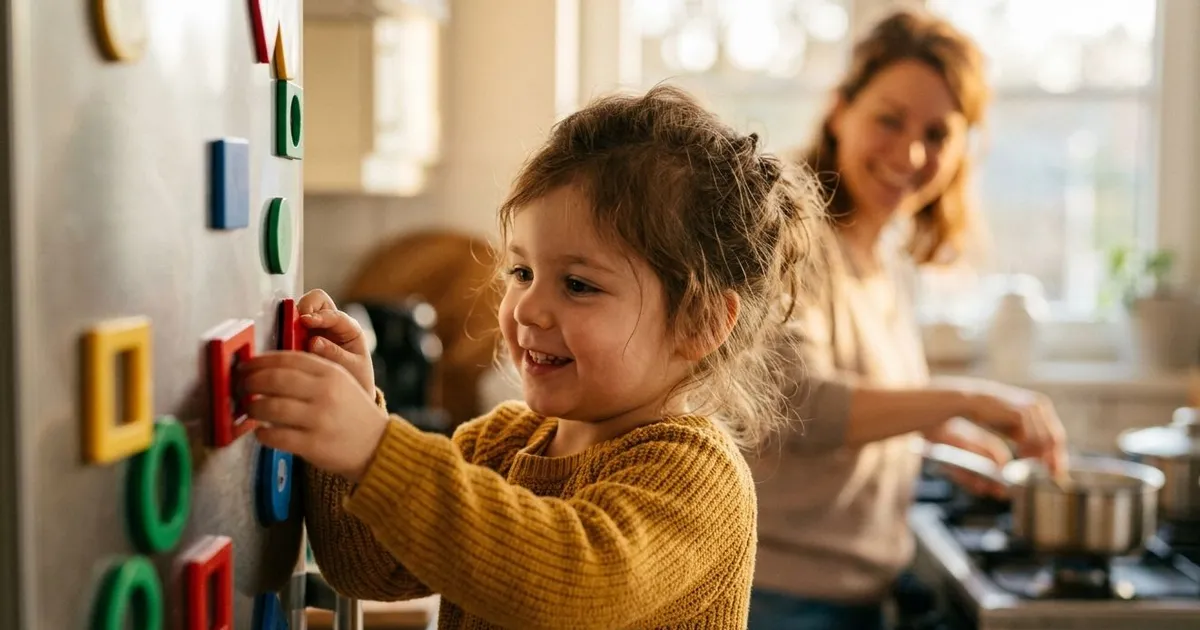
As children progress, the adjective definition for kids expands to comparison. Short adjectives often take -er and -est: small, smaller, smallest. A final y often changes to i, as in happy, happier, happiest. A short word ending in one vowel and one consonant may double its last letter: big, bigger, biggest.
Longer adjectives often use more and most: more careful and most interesting. Use than to compare two people or things: This path is shorter than that path. Use the with a group superlative: This is the shortest path in the park. Irregular sets include good, better, best and bad, worse, worst.
Children may combine two comparison patterns. Correct more easier to easier, and change the most fastest to the fastest. Sort examples into families and say each set aloud instead of reciting every rule. This extension of the adjective definition for kids works when children can see the comparison: two pencils, three books, or pictures of animals.
Word Order, Capitals, and Commas
When adjectives come before one noun, English follows a familiar adjective order: opinion, size, age, shape, colour, origin, material, purpose, then the noun. Thus, a lovely small wooden boat sounds more natural than a wooden small lovely boat. Start younger children with pairs such as a big red ball. Long chains obscure meaning.
Equal descriptions often take a comma: a cold, windy morning or a kind, patient tutor. Place and between the words as a test. If a cold and windy morning keeps the meaning, the comma fits. Omit it when words have different roles: three yellow balloons and a small wooden box.
Proper adjectives formed from names begin with capital letters: Italian food, Arabic writing, and Brazilian music. Other adjectives start with lower-case letters unless they begin a sentence. These details broaden the adjective definition for kids, while the core test remains: find the noun or pronoun and identify the added information.
How to Tell an Adjective from Another Word
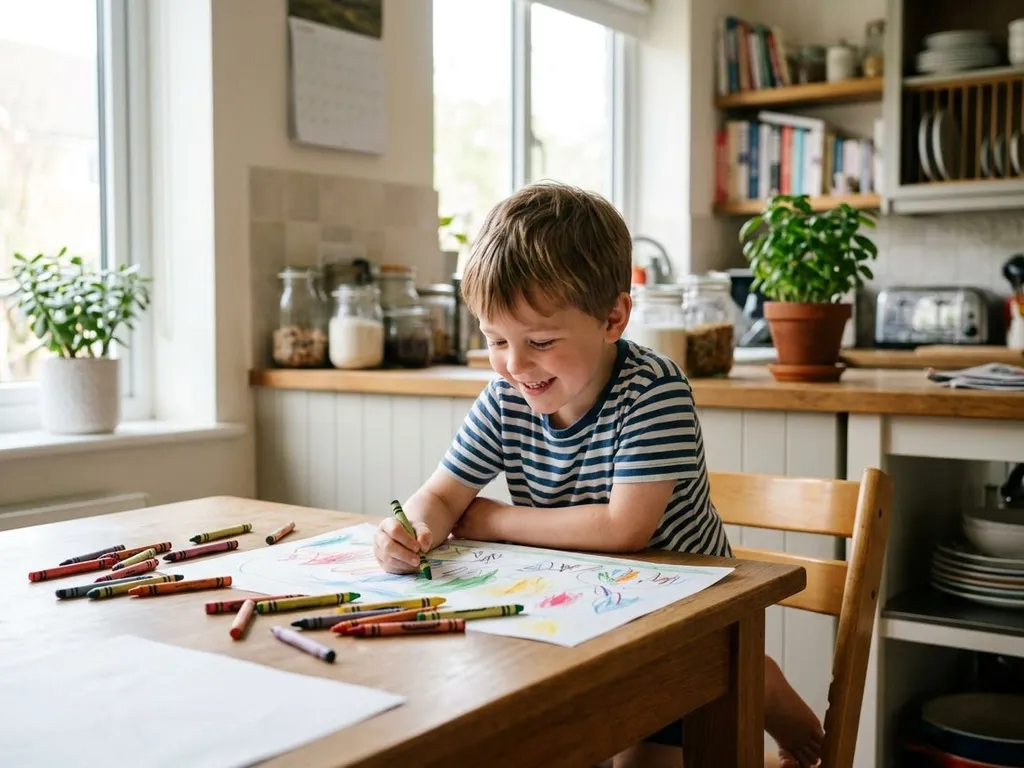
A word’s job matters more than its spelling. In The tired boy runs, boy names a person, runs shows an action, and tired tells us about the boy. The test still works after the adjective moves: The boy seems tired. This job-based adjective definition for kids is stronger than memorising endings.
Adjectives and adverbs can cause confusion. An adjective describes a person or thing: The quick runner smiled or The runner is quick. An adverb often tells how an action verb happens: The runner moved quickly. The ending -ly is only a clue: friendly is an adjective, while fast is an adverb in The runner moved fast.
Some words have different jobs across sentences. In an orange bag, orange gives the bag’s colour. In I ate an orange, it names a fruit. In We painted the wall orange, it indicates the wall’s colour after the verb. Ask, “What is this word doing here?” This question strengthens the adjective definition for kids and shows that flexible words can belong to different word classes.
Common Mistakes and Clear Corrections
Children who speak two or more languages may put an adjective after a noun because another language uses that order. A child might say the car red. The description is correct, but English requires adjustment. Model the red car, then contrast it with The car is red. This respectful correction values existing knowledge while reinforcing the adjective definition for kids.
Most English adjectives do not change for number or gender. Say one green cup and three green cups, not three greens cups. The plural noun changes; the adjective does not. Check words after linking and action verbs: The music sounds beautiful adds detail about the music, while The child sings beautifully explains how the child sings.
Pairs ending in -ed and -ing need direct comparison. The child is bored names the child’s feeling; The film is boring identifies the cause. The contrast appears in excited/exciting, interested/interesting, and tired/tiring. A sound adjective definition for kids discourages crowded phrases too: the shiny red bike is easier to understand than the big red new shiny fast bike.
Practice That Builds Real Language Skills
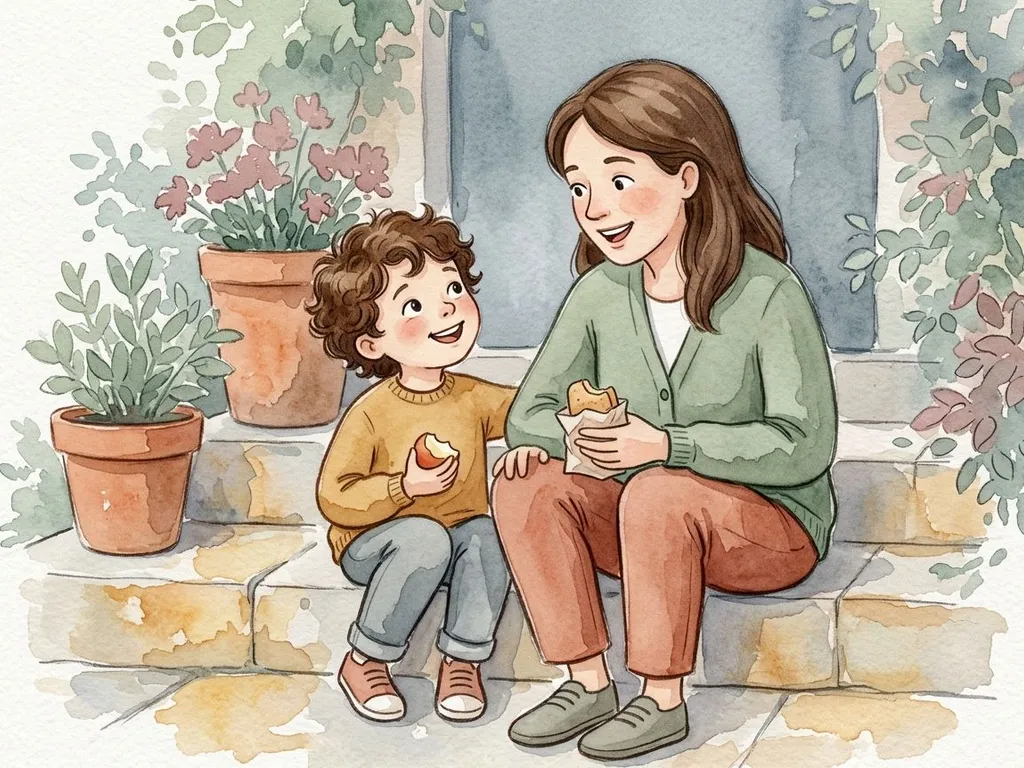
Effective practice asks children to notice, choose, and use adjectives. This sequence turns the adjective definition for kids into working language. At meals, describe food by colour, taste, smell, or texture. During walks, describe one building, animal, vehicle, or sound. While reading, find an adjective and ask what picture or feeling it adds.
Pre-school-age children can point, sort, draw, and answer with one word. Those aged 7 to 10 can build sentences and compare visible objects. Learners aged 11 to 15 can replace broad adjectives, explain word order, and edit crowded descriptions. Stop while the child remains attentive; a brief successful round helps the correct form stick.
Speaking needs separate practice because children must recall words while building messages. Accept one adjective, model a complete sentence, and request one changed detail. Across LearnLink lessons, our tutors use pictures, stories, choices, and follow-up questions to turn single words into precise descriptions. The goal is enough detail for understanding, not the longest sentence.
Find the Adjective
Find the adjective and name the noun or pronoun it describes.
1. The brown dog barked.
2. My sister is sleepy.
3. We found a round stone.
4. The soup tastes salty.
5. He wore clean shoes.
Answers: 1. brown modifies dog; 2. sleepy adds detail to sister; 3. round tells us about stone; 4. salty describes soup; 5. clean describes shoes.
Choose the Missing Adjective
Use each word once: cold, noisy, gentle, heavy, hungry, round.
1. The empty suitcase is not ______.
2. The baby bird is ______ and needs food.
3. We drank ______ water after the walk.
4. The drum is too ______ for the library.
5. The moon looks ______ tonight.
6. The horse was calm and ______.
Answers: 1. heavy; 2. hungry; 3. cold; 4. noisy; 5. round; 6. gentle.
Build the Correct Comparison
Put the adjective in the correct form.
1. A train is ______ than a bicycle. (fast)
2. This is the ______ puzzle in the box. (easy)
3. The blue blanket is ______ than the grey one. (soft)
4. That was the ______ part of the story. (exciting)
5. Today’s weather is ______ than yesterday’s. (good)
Answers: 1. faster; 2. easiest; 3. softer; 4. most exciting; 5. better.
For the rule wording, Wikipedia — English Grammar is a useful reference while the practice examples here stay adapted for children.
Frequently Asked Questions
What Is the Easiest Way to Define an Adjective?
The easiest adjective definition for kids is “a word that describes a person or thing.” Show a familiar object and say a soft toy, a blue sock, or The apple is green. Ask which word adds detail. When your child can point to it, introduce the label adjective. Examples should precede formal grammar terms.
How Can I Explain an Adjective to a 5-year-old?
Place two familiar objects side by side and ask how they differ. Your child might answer big, small, red, or soft. Repeat the answer in the soft toy, then model the second pattern: The toy is soft. Allow pointing, sorting, and drawing before requiring a full sentence.
At What Age Should Children Learn About Adjectives?
Children use describing words before learning the term adjective. A 4- or 5-year-old can sort objects by colour, size, shape, or texture. School-age learners can identify adjectives and compare things. Older children can study word order, commas, irregular comparisons, and adjective-adverb differences. Follow the child’s speaking and reading skills instead of imposing a fixed deadline.
Are Colours and Numbers Adjectives?
Colour words are adjectives when they describe nouns, as in a purple hat or two white cats. Grammar systems classify numbers differently. Traditional school grammar may call numbers adjectives; modern systems often call words such as two determiners. For beginners, the distinction is simple: white gives the colour, and two gives the number.
Why Can My Child Find Adjectives but Not Use Them in Speech?
Finding an adjective on a worksheet and recalling one in conversation require different skills. Speech requires children to choose a precise detail quickly while building a sentence. Ask focused questions such as “What colour?”, “How does it feel?”, or “What kind?” Accept one word, model a full sentence, and reuse the adjective elsewhere.
If your child needs steady speaking practice, start small — choose a trial lesson.
Stay updated on our latest tips and resources by following us on Instagram LearnLink.