Basic English Animal Words for Kids
Children can start with about 30 animal words in English, grouped by pets, farm creatures, wild creatures, sea animals, and small creatures. Basic English Animal Words for Kids: A Practical the child for Families gives parents a practical way to teach vocabulary without turning home practice into a test. Animal vocabulary suits ages 4-15 because it is concrete: children can point, act, draw, sort, compare, and tell short stories. The goal is not speed through a long list. The goal is word recognition, meaning, pronunciation, and one confident sentence.
📥 Animal Words Practice Pack
A printable vocabulary set with animal names, simple prompts, and a weekly practice tracker for young English learners.
Leave your email — we'll send the PDF to your inbox.No spam — the PDF plus one short reminder. Unsubscribe anytime.
What Families Need to Know First
Animal words are often among the first English nouns children remember because they link sound, movement, and image. A 5-year-old may remember “cat” because the family has one at home. An 8-year-old may remember “shark” because it feels exciting. An older child may enjoy “eagle,” “whale,” or “lizard” because these words lead to facts and short reading texts.
For home learning, start with groups, not random words. Pets often come first: dog, cat, fish, bird, rabbit. Farm animals follow: cow, horse, sheep, goat, chicken, duck. Add wildlife words and sea-life vocabulary when your child is ready. Basic English Animal Words for Kids: A Practical the child for Families works best when words connect to real speech, not only flashcards.
Children who already speak two or three languages may mix words at first. That is normal. If your child says “the perro is small,” answer with the full English sentence: “Yes, the dog is small.” You are giving a model, not stopping the conversation.
A Practical Starter List
This balanced first set includes words children meet in books, cartoons, school topics, and everyday talk. Do not teach them in one sitting. Choose five to eight words, practise them for a few days, then add more.
Use “a” and “an” from the start: a dog, a cat, an elephant, an ant. Young children do not need a grammar lecture, but they can hear the pattern often. Older children can notice that “an” comes before a vowel sound.
How to Use Animal Words at Home
Start with these core words and short examples before adding more specific vocabulary.
The dog runs in the park.
The cat sleeps on the chair.
The rabbit eats a carrot.
The bird sings in the tree.
The fish swims fast.
The horse lives on a farm.
The cow eats grass.
The duck walks near the pond.
Keep practice short. Ten focused minutes can beat a long tired session. Show a picture, say the word, let your child repeat it, then ask: “Is it big?” “Can it fly?” “Where does it live?” A noun becomes communication.
Basic English Animal Words for Kids: A Practical the child for Families works best when parents move from naming to describing. First: “It is a cat.” Next: “The cat is black.” Then: “The black cat is sleeping.” With older children, add reasons and contrasts: “A shark is a fish, but a dolphin is a mammal.” Keep each sentence true, short, and easy to say aloud.
Across LearnLink lessons, our tutors often build from familiar words to fuller speech: animal, color, size, action, place. A child can say “turtle,” then “green turtle,” then “The green turtle is in the water.” That chain supports speaking, reading, and writing.
Examples by Age
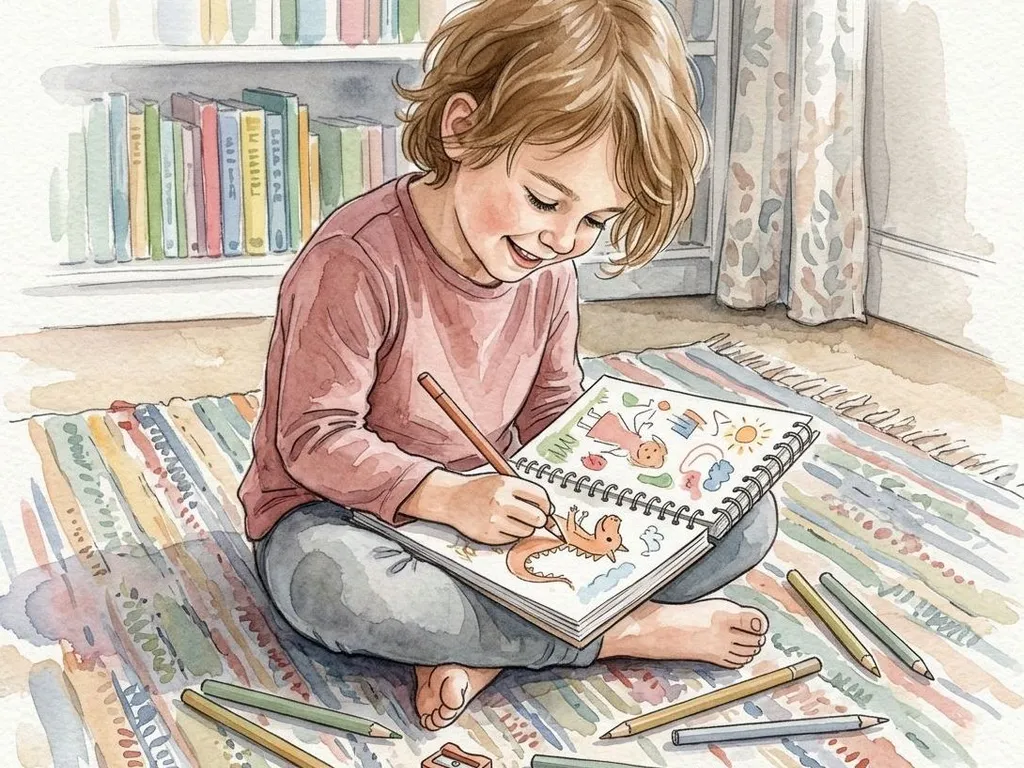
For school-age kids, use movement, sound, and choice. Ask your child to “jump like a frog,” “walk like a bear,” or “fly like a bird.” Keep questions short: “Is it a cat or a dog?” “Show me the horse.” Children need repetition, but it should feel like play.
For school-age kids, add sorting and short answers. Your child can sort animals by home: farm, forest, ocean, house. They can sort by action: fly, swim, run, climb. Ask, “Which creatures can swim?” A strong answer might be “Fish, whales, sharks, and dolphins can swim.”
For school-age kids, use animal words for mature language. Ask for comparisons: “An elephant is bigger than a horse.” Add opinion: “I think dolphins are clever because they work together.” Animal vocabulary can support short reports, science reading, and precise adjectives.
Practice Activities That Do Not Feel Like Homework
Use objects you already have: toy animals, picture books, stickers, family photos, and safe online images. Choose one daily focus: animal names, animal sounds, animal homes, or animal actions. Mixing too much at once can make practice harder.
Basic English Animal Words for Kids: A Practical the child for Families should lead to speech your child can use. Try “I see a…” while reading, “Where is the…?” with toys, or “My animal is…” as a guessing game. If your child forgets a word, give two choices instead of waiting in silence.
Five-minute Animal Sorting Game
Put 12 animal pictures or toys on the table. Make three spaces: pets, farm animals, and wild species. Your child says each word and moves it to a group. Then ask three questions: “Which animal is small?” “Which animal can fly?” “Which animal do you like?” Older children can answer in full sentences.
Another game is “Guess the animal.” One person gives three clues: “It is big. It is grey. It has a long nose.” The answer is “elephant.” For older children, ban the easiest clue for one round. They cannot say the color, or they cannot say where it lives. This pushes richer language.
Common Mistakes and Gentle Fixes
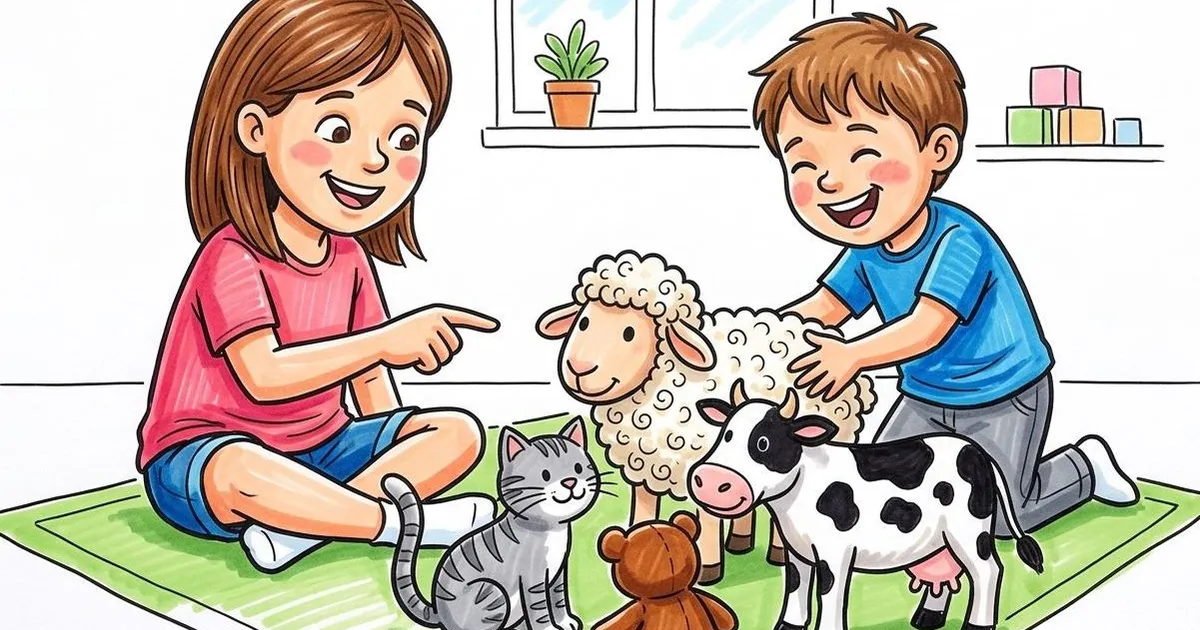
One common mistake is teaching too many animal words too soon. A child may repeat “crocodile,” “kangaroo,” and “penguin,” but still avoid “dog” or “bird” in a sentence. Keep a small core set active. Add unusual animals after the basic words feel easy.
Another mistake is treating pronunciation as a test. Some animal words are hard because English spelling is not always clear. “Bird,” “bear,” “sheep,” and “goat” may need extra listening. Say the word naturally, then use it in a phrase: “a brown bear,” “three sheep,” “a little bird.” The phrase often helps more than repeating the word alone.
Basic English Animal Words for Kids: A Practical the child for Families needs room for grammar growth. Children may say “two sheeps” or “a elephant.” Give the correct form inside a warm reply: “Yes, two sheep are in the field,” or “Yes, an elephant is big.” The child hears the right pattern without losing the wish to speak.
- Try three animal words during breakfast with a 4-year-old today.
- Practice five sounds after reading one farm animal picture book.
- Use toy animals to model short phrases like “big dog.”
- Repeat missed words gently, then praise one clear attempt.
- Play a two-minute guessing game with cat, dog, and bird.
When a word has several meanings or pronunciations, Cambridge Dictionary is a useful check before turning it into child-friendly examples.
Frequently Asked Questions
How Many Animal Words Should My Child Learn First?
Start with 10-15 words if your child is new to English. Pets and farm animals are easiest because they appear in books and songs. Once your child understands and uses those words in short sentences, add wild and sea animal vocabulary. Basic English Animal Words for Kids: A Practical the child for Families is about steady use, not a long list learned once and forgotten.
Should We Translate Animal Words into Our Home Language?
Yes, when translation helps understanding. A quick translation can prevent confusion, especially for younger children or multilingual families. Then return to English: “Yes, in English we say rabbit. The rabbit is white.” The goal is not to ban the home language. The goal is a bridge to English words and sentences.
What If My Child Knows the Word but Will Not Say It?
Some children understand new words before they are ready to speak. Offer low-pressure choices: “Is it a lion or a tiger?” Let your child point first, then repeat one word if they can. You can speak together: “It is a… dog.” Confidence grows when the child is not put on the spot.
How Can Older Children Practise Animal Vocabulary Without Feeling Babyish?
Use facts, comparisons, and short projects. Ask your child to choose five species and write one sentence about each: habitat, size, diet, or a surprising fact. They can compare two creatures or make a short slide with pictures and captions. Animal vocabulary is not only for small children; it becomes mature when the task asks for clearer thinking.
Start your child's English journey today — book a trial lesson with LearnLink.
Stay updated on our latest tips and resources by following us on Instagram LearnLink.