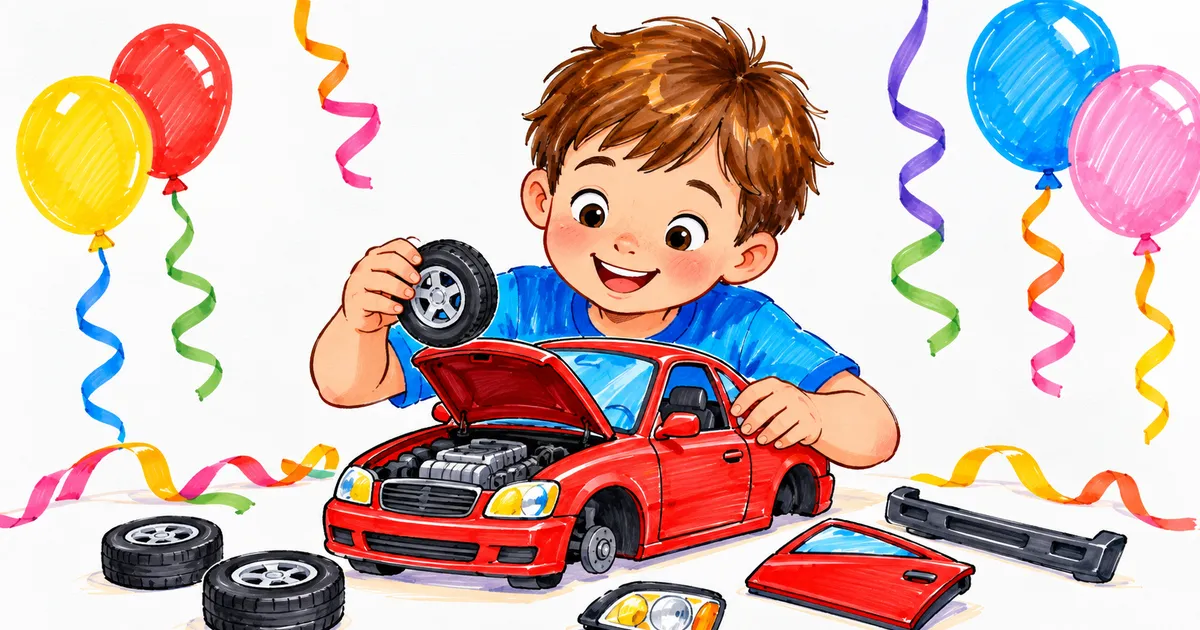
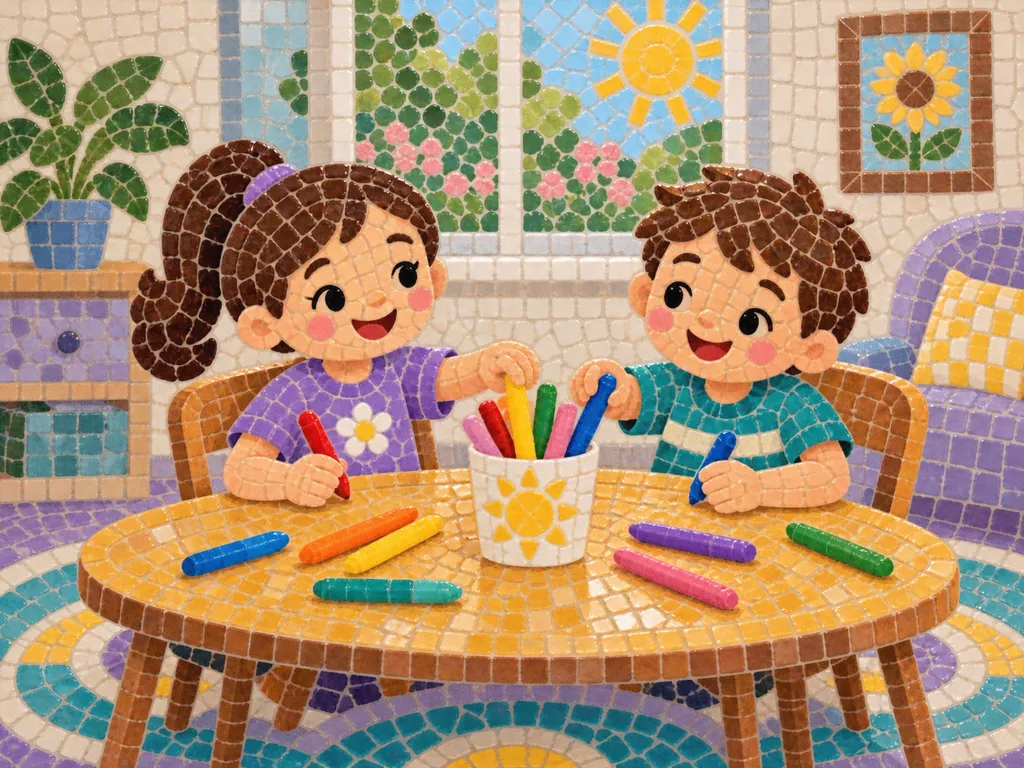
English Cartoons for Kids at Home
english animation for kids means brief, age-fit cartoons or animated clips that build listening, vocabulary, sentence patterns, and confidence through story. Treat it as planned learning, not extra screen time: 5 to 20 minutes, one language goal, plus a small speaking task afterward. A 5-year-old may name colours and actions. A 12-year-old may retell the plot in past simple. Families can use english animation for kids at home, while tutors connect clips with reading, speaking, and vocabulary practice across lessons.
Why Animation Helps Children Hear English Clearly
Animation gives children sound plus faces, actions, objects, and mood. When a child hears “The cat is hiding under the bed,” pictures help them guess meaning before adult explanation. First-time online learners benefit because pressure drops and meaning stays concrete.
For younger children, english animation for kids works best when stories repeat phrases: “Where are you?”, “I can see it,” “Let’s go.” Repetition trains the ear to catch patterns. Older children can handle faster speech, jokes, and compact cause-and-effect scenes, though pauses still help meaning checks.
The goal is not every word. Aim for action, three to six phrases, and one spoken response. That speaking step turns watching into learning.
How to Choose the Right Level
Choose by language load, not age alone. A 7-year-old who has heard English since preschool may need a different clip from a 10-year-old beginner. Check speed, sentence length, picture support, and new vocabulary per minute.
For ages 4 to 6, choose routines, songs, animals, toys, food, weather, and family words. For ages 7 to 9, story episodes work well because children can answer “Who?”, “Where?”, and “What happened?” For ages 10 to 15, animation still works with stronger plots, science themes, school problems, humour, or quick documentary-style explanations.
If your child looks lost after one minute, independent watching needs an easier clip. If your child laughs, predicts, copies phrases, and can explain the story in any language, the level sits within reach. English animation for kids should stretch the child without making them silent.
A Simple Viewing Routine That Works
Use three steps: before, during, after. Before watching, show the title image and ask your child to guess three words they may hear. During watching, pause once or twice. After watching, ask for a quick response: draw the scene, choose the word, finish a sentence, or retell the story.
With english animation for kids, one focused active clip beats one long passive episode. For most children, 8 to 12 minutes is enough. If tiredness appears, stop after the strongest part and return another day. English grows through repeated contact, not one heavy session.
Across LearnLink lessons, our tutors may use story, picture talk, and guided questions in the same spirit: make meaning concrete, then build speech. In online lessons with LearnLink tutors, animation-style tasks can support general English, but they are not a promise of exam preparation or a fixed level outcome.
Subtitles, Dubbing, and Rewatching
Subtitles can help or distract. For young beginners, English subtitles may pull attention from the picture before reading is ready. Stronger readers can notice chunks such as “I don’t know,” “Can I have one?”, and “What are you doing?”
Try this order: first watch without subtitles for story meaning, then replay one brief part with English subtitles, then say two or three lines aloud. Avoid home-language subtitles as default. They can support a hard story, but they often pull attention away from English listening.
Rewatching is not wasted time. First viewing builds meaning. Second viewing catches words. Third viewing gives enough safety for speech. English animation for kids works best when children meet the same phrase across several scenes, then use it in play, drawing, or conversation.
What Parents Can Say Before and After a Clip
Parent questions should be simple and kind. Try “What do you see?”, “Who is happy?”, “What is the problem?”, “Show me the big door,” or “Say one sentence about the dog.” If your child answers in another language, accept meaning first, then model one English line.
For example, if your child says, “He is scared” in the family language, say, “Yes, he is scared. He is hiding.” Then ask your child to repeat only the target part: “He is hiding.” This keeps tone calm and makes the sentence reachable.
For older children, ask opinion questions: “Was that fair?”, “What would you do?”, “Which word showed the feeling?” English animation for kids can then move from object naming toward reasons, a step toward stronger speaking and writing.
Practice: Watch and Say
Choose a bite-size animated scene. After watching, ask your child to complete these sentences aloud: “I can see ___.” “The character is ___.” “The character wants ___.” “At the end, ___.” For younger children, one-word answers are fine. For older children, ask for a full sentence.
How to Connect Animation to CEFR-Style Progress
Parents often hear level labels such as pre-A1, A1, A2, or B1. For children, these labels help only when tied to tasks. A beginner may understand names, colours, toys, and classroom commands. A child moving toward A1 can answer personal questions and use short sentences about daily life.
English animation for kids can support these steps, but level shows through post-viewing action. Can they point to the right object? Can they repeat a phrase? Can they ask a question? Can they retell the problem in three sentences? These actions tell more than any video title.
If a family is thinking about a future exam such as a young learner test, animation can build listening comfort and story sense. It should sit beside reading, speaking practice, and regular feedback. LearnLink helps your child build confident, everyday English that supports them at every stage.
Common Mistakes to Avoid

The first mistake is choosing clips that look “educational” but run too hard. Fast speech, culture-based jokes, and several side characters may leave a beginner watching without learning much English. Start with concrete scenes, then build up. English animation for kids needs clarity before challenge.
The second mistake is testing too much. When every clip ends with a quiz, children may stop taking risks. Use light checks: one drawing, one sentence, one favourite word, one acted-out phrase. Keep correction brief and practical.
The third mistake is letting animation replace talk. English animation for kids should open a door to speech. Even two minutes of parent-child talk after a clip can make language stick: “The bear is hungry,” “The girl is running,” “I like the red car because it is fast.”
Practice: Retell in Three Steps
After a clip, help your child retell the story with three prompts: “First, ___.” “Then, ___.” “Finally, ___.” A younger child may draw each step and say one word. An older child can add feelings, reasons, or a new ending.
- Choose one English animation for kids episode under 10 minutes today.
- Pause twice and ask your child to name three familiar objects.
- Repeat five useful phrases together after watching the episode.
- Act out one small scene using toys or picture cards.
- Watch the same episode again tomorrow to strengthen memory.
When a word has several meanings or pronunciations, Cambridge Dictionary is a useful check before turning it into child-friendly examples.
Frequently Asked Questions
How Much Animation Should My Child Watch in English?
For most children, 5 to 20 minutes is enough when viewing has a purpose. A 5-year-old may do better with one quick song or scene. A 10-year-old may manage a fuller episode if a speaking task follows. The useful measure: your child listens, understands the story, and uses a few words afterward. English animation for kids should leave room for speech, not crowd it out.
Should My Child Watch with English Subtitles?
Use English subtitles when your child can read enough to benefit from them. Strong readers can notice chunks and copy spelling. For preschool children or early readers, subtitles may distract from listening and pictures. A practical compromise is to watch once without subtitles, then replay a brief part with subtitles and practise one or two lines aloud.
Can Animation Help with Speaking, or Only Listening?
It can help speaking if you add an output step. Ask your child to repeat a phrase, answer a question, act out a scene, or retell the ending. Without that step, english animation for kids mainly builds listening and word recognition. With a focused speaking task, the child turns heard language into usable language.
What If My Child Understands the Story but Answers in Another Language?
That is common in multilingual families. Understanding often comes before speech. Accept the idea first, then model a simple English version: “Yes, the boy is angry.” Ask your child to repeat only the target phrase, not the whole explanation. This keeps confidence high and gives the child an English sentence for next time.
Can Animation Prepare My Child for English Exams?
Animation can support exam-related skills such as listening for detail, following a brief story, and describing pictures. It should not be the whole plan. Children also need reading, guided speaking, vocabulary review, and feedback on accuracy. If an exam is a future goal, use animation as one practice tool while building wider general English step by step.
Start your child's English journey today — book a trial lesson with LearnLink.
Stay updated on our latest tips and resources by following us on Instagram LearnLink.