Four-Letter Words for Kids
A four-letter word set for children starts with concrete words: hand, jump, blue, milk, book, and home. Four-Letter Words for Kids: Vocabulary-Building Words and Activities helps families build reading, spelling, speaking, and early writing without overload. Four-letter words show patterns yet stay compact for young memory. For children aged 4-15, avoid racing through lists; link each word to sound, meaning, movement, and speech.
📥 Four-Letter Words for Kids
A printable word bank, age-friendly practice, and a one-week home routine for building useful four-letter vocabulary.
Leave your email — we'll send the PDF to your inbox.No spam — the PDF plus one short reminder. Unsubscribe anytime.
Core Words to Start With
Begin with words your child can see, touch, or act out: book, door, hand, milk, rain, shoe, nose, frog, cake, and ball. They fit daily life. A 5-year-old can point and say them; an older child can spell, describe, and use each in a sentence.
Add action words early: jump, look, read, wash, help, sing, play, and draw. Four-Letter Words for Kids: Vocabulary-Building Words and Activities should include verbs because children need words for actions, not only labels.
Then add describing words: blue, cold, fast, kind, full, soft, loud, dark, and warm. Adjectives move children from one-word answers to fuller thoughts: “The milk is cold,” “My bag is full,” or “The frog is green.”
I read a book.
The milk is cold.
The frog can jump.
I see a blue bag.
She is kind.
Wash your hand.
The rain is loud.
We go home.
Word Groups That Make Sense to Children
Sort four-letter words by meaning before spelling. Children remember words that sit in a concrete group. Try home words: room, bed, lamp, sink, door, and wall. Then add food words: milk, rice, soup, corn, pear, plum, cake, and fish.
Animal and nature words work well: bird, frog, duck, bear, lion, wolf, tree, leaf, rain, snow, wind, and moon. They support drawing, stories, and science talk for multilingual families.
For school-age learners, add feeling and social words: kind, glad, calm, fair, rude, safe, and hurt. Four-Letter Words for Kids: Vocabulary-Building Words and Activities gets stronger when children can use the words with friends, siblings, and tutors, not only classroom objects.
Examples in Context
Do not leave four-letter words as dry spelling lists. Put each word into a sentence that sounds like real talk: “Wash your hand,” “The bird can fly,” “I feel glad,” and “This soup is hot.”
Use small changes to stretch understanding. Start with “The frog jumps.” Then try “The frog jumps fast,” “The green frog jumps,” and “Can the frog jump?” Children see grammar, word order, and questions while target vocabulary stays familiar.
Across LearnLink tutors and lessons, four-letter words become speaking prompts. A child can answer, choose, compare, or explain: “Which word is an animal?” “Which food do you like?” “Tell me one soft thing.” Four-Letter Words for Kids: Vocabulary-Building Words and Activities should lead to short speaking turns.
Activities by Age
For school-age kids, keep practice physical and quick. Ask your child to touch a door, find a book, jump once, draw a fish, or show a hand. Say the word aloud, then let the child repeat it in a phrase: “red ball,” “cold milk,” “open door.”
For school-age kids, add sorting and spelling. Put words into groups: food, animals, home, actions, and feelings. Ask your child to read each word, clap its sounds, then write one sentence. This builds reading and meaning together.
For school-age kids, four-letter words still have value, but tasks need maturity. Use riddles, brief poems, mini-dialogues, and word-family work: cold, fold, hold; make, take, cake; sing, ring, wing. Older learners need patterns and real use, not babyish tasks.
Practice Ideas for Home
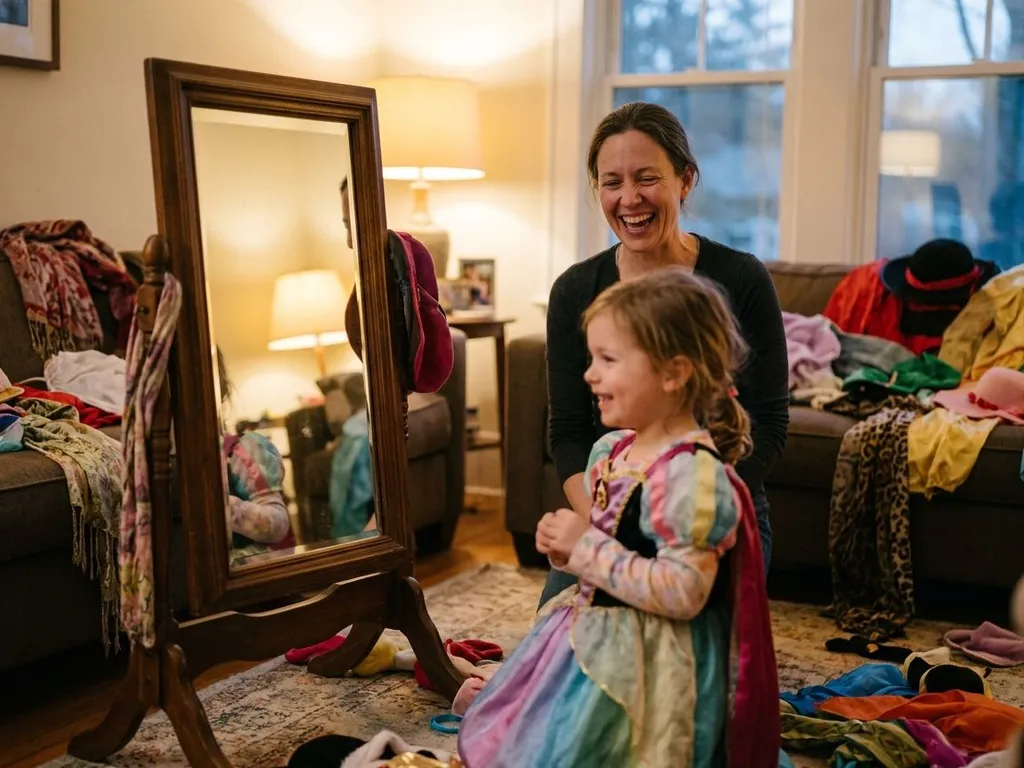
Use five-minute practice instead of long lessons. Choose six to eight four-letter words and repeat them across the day. At breakfast, read milk, bowl, fork, and food. After school, use bag, book, door, and coat. At bedtime, use lamp, moon, dark, and warm.
Keep a small word box. Write each word on a card, with a quick drawing when it helps. Once a week, ask your child to choose three cards and make a sentence, a question, or a tiny story. The sentence can stay short: “The duck is wet.” Aim for accurate use, not length.
Four-Letter Words for Kids: Vocabulary-Building Words and Activities fits online lessons because the words show easily on screen. A tutor can ask a child to match, read, spell, move, answer, and speak with the same set.
Quick Practice: Build Three Sentences
Choose one noun, one action word, and one describing word: bird, frog, book; jump, read, sing; blue, fast, soft. Help your child make three sentences, then change one word each time. Example: “The bird can sing.” “The frog can jump.” “The book is blue.”
Common Mistakes to Avoid
The first mistake is teaching spelling before meaning. If a child can spell duck but cannot pick out a duck in a picture or use the word in speech, the word is not secure. Teach meaning first, then sound, then letters.
The second mistake is word overload. A long list may look productive, but children need fewer words used in varied ways. Six well-practised words beat thirty words read once.
The third mistake is ignoring pronunciation. Four-letter words can be tricky: ship and chip, tree and three, warm and worm, full and fall. Say the word, place it in a phrase, and let your child hear the contrast before expecting perfect spelling.
- Try five easy four-letter words with school-age kids during breakfast today.
- Practice one sound change at a time: cat, bat, hat, mat.
- Use picture cards for four minutes, then ask your child to explain each word.
- Read one rhyming book aloud, pausing for your child to spot four-letter words.
- Review three words before bedtime, praising effort instead of correcting every mistake.
When a word has several meanings or pronunciations, Cambridge Dictionary is a useful check before turning it into child-friendly examples.
Frequently Asked Questions
How Many Four-letter Words Should My Child Learn at One Time?
For most children, six to eight words is enough for one quick practice cycle. Older children can handle more, especially when the words share a pattern such as cake, make, take, and lake. Four-Letter Words for Kids: Vocabulary-Building Words and Activities works best when each word supports reading, speaking, and one short sentence.
Are Four-letter Words Only for Young Children?
No. Young children use four-letter words to build basic vocabulary, while older learners use them for spelling patterns, pronunciation, grammar, and creative writing. A 12-year-old may not need bird as a new word, but can study word families, silent letters, rhymes, and sentence style with four-letter words.
Should My Child Memorise Word Lists?
Some repetition helps, but memorising lists should not drive practice. Children learn deeply when they hear the word, see it, say it, act it out, and place it in a real sentence. Keep lists manageable and revisit them in games, reading, and daily routines.
What Should I Do If My Child Mixes up Similar Words?
Use contrast pairs and slow practice. Put ship and chip, tree and three, or cold and gold side by side. Say each word in a phrase, show a picture when possible, and ask your child to choose the word they hear. Correct one pair at a time until the contrast feels secure.
- Start with six concrete, visible words.
- Practice sound, meaning, spelling, and one sentence.
- Reuse words through groups, pairs, and cards.
If your child needs steady speaking practice, start small — choose a trial lesson.
Stay updated on our latest tips and resources by following us on Instagram LearnLink.