Slogans for Kids in English by Age
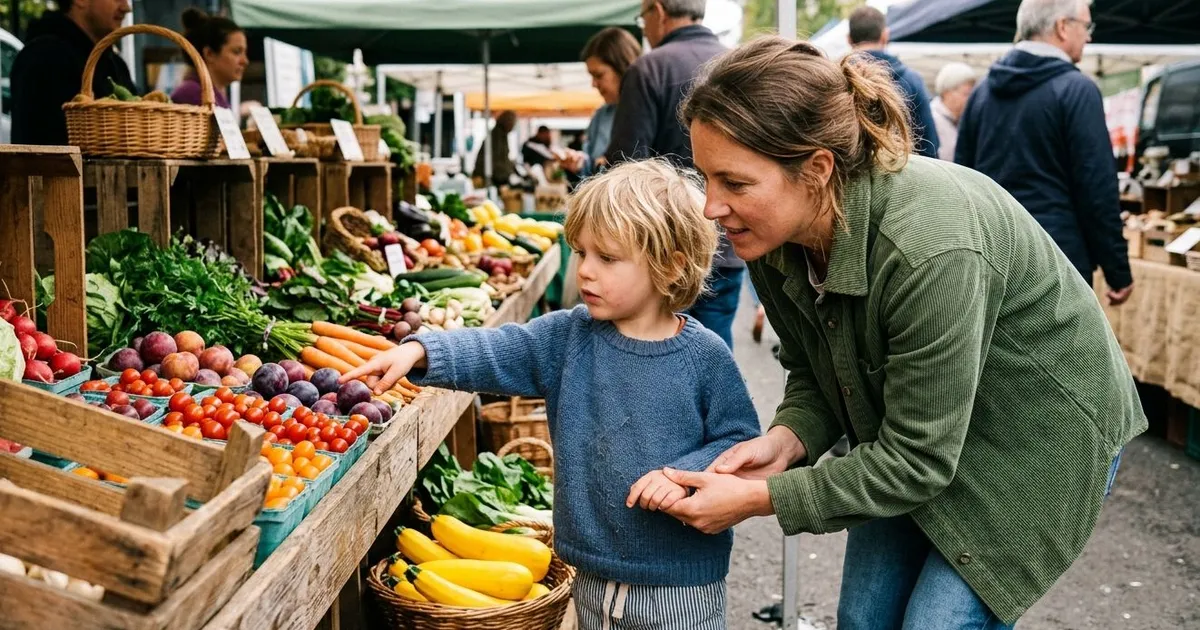
A child-friendly slogan is a short, repeatable sentence linking English with an action, habit, or value. Slogans for Kids in English by Age should match a child’s language level and independence. A 4-year-old needs concrete words such as “Kind hands, kind words.” A teenager can discuss “Check the source before you share.” The goal is not memorising clever quotes, but giving children language they can understand, say, and apply at home, school, or with friends.
📥 Slogan Practice for Kids by Age
Read, match, choose, and create memorable English slogans
Leave your email — we'll send the PDF to your inbox.No spam — the PDF plus one short reminder. Unsubscribe anytime.
Why Short Phrases Stay in a Child’s Memory
Long sentences require children to hold vocabulary, grammar, and meaning in mind together. A short slogan reduces this load. Rhythm, repeated sounds, and an action aid recall: “Pause, think, speak” is easier to retrieve than a long rule about respectful conversation.
A collection labelled Slogans for Kids in English by Age works only when children understand each phrase. Saying “Small steps count” after completing a difficult task gives the words context. Empty repetition teaches sounds, not when to use the message.
Match the Language to the Child
When choosing Slogans for Kids in English by Age, consider reading ability, sentence length, emotional maturity, and daily situations. Younger children need visible actions. Older learners can handle fairness, online care, effort, and responsibility.
The slogan should be explainable in plain words. Children may first discuss its meaning in another home language. This supports English practice by connecting a new phrase with a familiar idea.
Simple Slogans for School-age Kids
Preschool and early primary learners respond to phrases linked to immediate actions. Add gestures: open hands for kindness, a slow breath for calm, or alternating hands for taking turns. Keep grammar regular and meaning concrete.
- “Kind hands, kind words.”
- “Try, then ask.”
- “We can take turns.”
- “Stop, breathe, choose.”
- “Small steps count.”
Choose one phrase for a familiar moment. “Try, then ask” fits a puzzle, coat zip, or new English word. Never use it to deny support. A child can attempt the task before relying on a trusted adult.
Encouraging Slogans for School-age Kids
Children in this group can connect a short statement with a reason. They are learning how effort, mistakes, and cooperation affect tasks. A slogan should guide behaviour without labelling a child clever, lazy, good, or bad.
- “Practice makes progress.”
- “Mistakes help us learn.”
- “Be curious, not afraid.”
- “Listen first, speak kindly.”
- “Together, we can solve it.”
Request an example after introducing a phrase. For “Mistakes help us learn,” a child might describe a misspelled word later corrected. The example turns the slogan into language practice grounded in experience.
Thoughtful Slogans for Ages 10–12
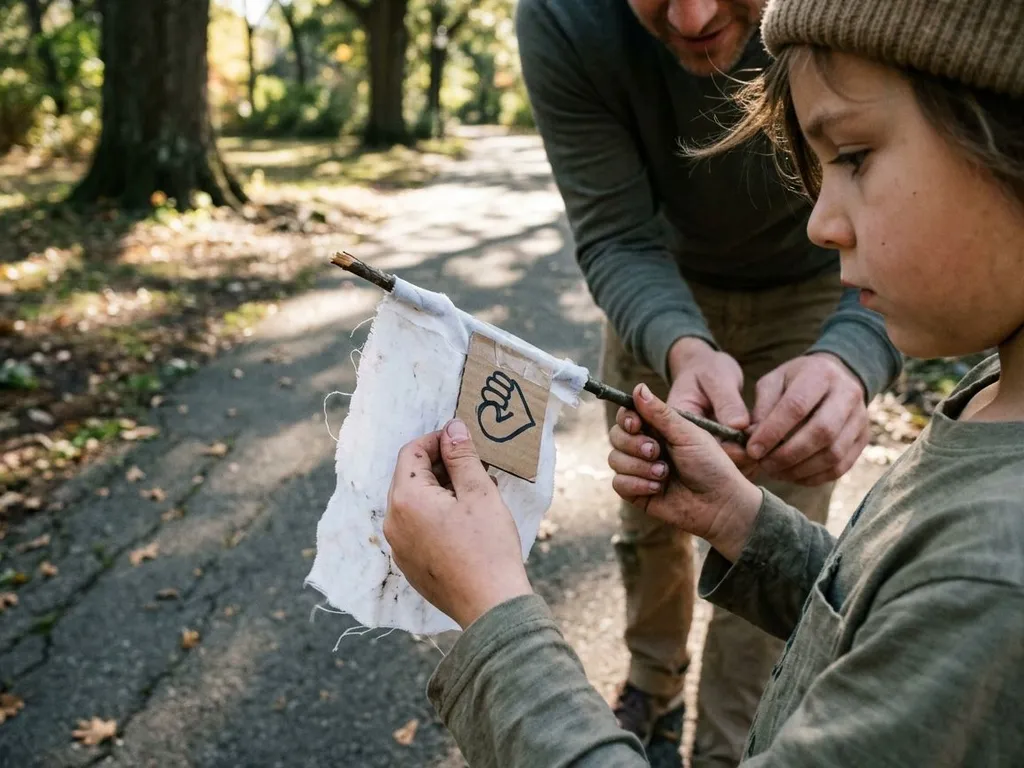
Older primary learners can examine whether a slogan is always true, making discussion stronger than recitation. Ask where “Together, we can solve it” applies and when someone needs quiet time, expert help, or adult support.
- “Ask why. Check twice.”
- “Different minds, shared respect.”
- “Effort builds skill.”
- “Pause before you post.”
- “Leave things better than you found them.”
At this age, slogans can support digital judgement and spoken English. “Pause before you post” starts a practical conversation about privacy, tone, and permanence. Focus on services your child uses.
Respectful Slogans for School-age Kids
Teenagers reject wording that sounds childish or controlling. Offer phrases as debate prompts, not unquestioned rules. Let learners challenge the wording, suggest exceptions, and rewrite a line to reflect a value they can defend.
- “Think clearly. Speak fairly.”
- “Your choices shape your habits.”
- “Check the source before you share.”
- “Confidence grows through practice.”
- “Respect needs no translation.”
Avoid slogans demanding constant confidence, happiness, or success. “Confidence grows through practice” allows nerves and slow progress. “Respect needs no translation” can prompt multilingual families to compare courtesy through words, tone, distance, and gestures across cultures.
Turn a Slogan into Useful English
Select a phrase for a current need, explain it, and model it in context. Invite your child to use it in a choice, role-play, drawing, or short story. Across LearnLink lessons, our tutors can adapt speaking prompts to a learner’s age without requiring a native accent.
Make, Test, and Revise a Slogan
Choose a daily situation, such as starting homework or sharing a game. Write a slogan with no more than two short clauses. Ask what it means and when it might help. Use it for a week, then replace wording that feels unclear, harsh, or difficult to say.
The value of Slogans for Kids in English by Age comes from careful use, not walls covered with phrases. Keep one or two active. Retire a slogan when its purpose ends, and restore it if the situation returns.
- Choose one slogan with your six-year-old and explain its meaning together.
- Practice saying the slogan three times, changing volume, speed, and emotion.
- Write each word on cards, then let your child rebuild the slogan.
- Find the slogan’s main verb and use it in two new sentences.
- Create a matching slogan for a favorite book, toy, or family routine.
For the child-development context behind this advice, American Academy of Pediatrics gives a broader reference point for parents.
Frequently Asked Questions
How Many Slogans Should a Child Learn at Once?
Begin with one slogan tied to a routine. A younger child may repeat it for several days; an older learner may compare two related phrases. Add another when your child can explain and use the first without constant prompting. Memorising long lists adds little practical language.
Should Children Translate a Slogan First?
Translation can help with a new or abstract idea. Let your child discuss the meaning in a shared home language, then return to the English wording and its use. For a short phrase, a gesture, picture, or example may suffice. Understanding matters more than an English-only rule.
What Makes a Slogan Suitable for a Child’s Age?
Use Slogans for Kids in English by Age that match the learner’s vocabulary, experiences, and freedom to act. “We can take turns” suits a young child because the action is visible. “Check the source before you share” suits an older learner who can compare information and make online choices.
Can Slogans Help a Child Who Is Shy About Speaking English?
Yes, when offered without pressure. A rehearsed line gives the child predictable speech for a familiar moment. Say it together, use toys, or include it in role-play. Never demand a public performance or treat silence as failure; confidence may grow gradually.
How Often Should a Family Change Its Chosen Slogan?
Change it when the phrase becomes familiar, the situation passes, or the child finds better wording. There is no fixed schedule. Some routine slogans last months; a phrase for one school challenge may last a week. Ask what still works instead of changing it for novelty.
If your child needs steady speaking practice, start small — choose a trial lesson.
Stay updated on our latest tips and resources by following us on Instagram LearnLink.