Practice Makes Perfect for Kids Learning English
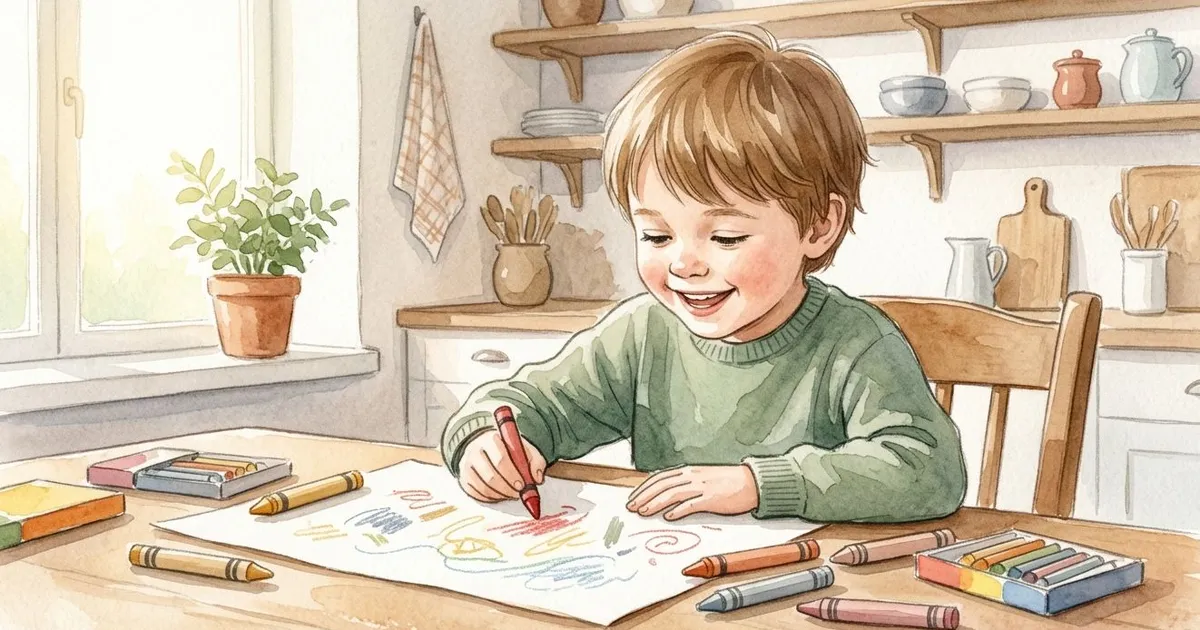
Repetition moves English from “I heard it once” to “I can use it without stopping,” so Practice makes perfect: why repetition is important for kids learning English is more than a saying. For a child, repeated contact with a word, sound, phrase, or grammar pattern builds memory, speed, and confidence. The goal is not long drilling. It is meeting the same English in short, varied ways: hearing it, saying it, reading it, writing it, and using it in a real exchange. Families can support this at home without turning the kitchen table into a classroom.
📥 Repeat It, Use It, Keep It
A weekly word-and-phrase practice sheet for building English through short, useful repetition
Leave your email — we'll send the PDF to your inbox.No spam — the PDF plus one short reminder. Unsubscribe anytime.
What Families Need to Know
Children do not learn English in a straight line. A 6-year-old may sing “I like apples” clearly on Monday and forget “like” on Wednesday. That is normal. Memory grows through return. Each return makes the brain path easier to find.
Practice makes perfect: why repetition is important for kids learning English works when “practice” is defined well. Strong practice is short, calm, and meaningful. It asks a child to do something almost within reach, with enough support to succeed. Ten focused minutes often helps more than forty minutes of tired correction.
Repetition protects confidence. When a child has heard “Can I have…?” in a lesson, a game, and snack time, the phrase feels familiar. Familiar language feels less frightening. That matters for shy children, multilingual children, and first-time online learners still learning how lessons work.
Why Repetition Works in a Child’s Brain
Young learners need repeated meetings with new language before it becomes active. First they may only recognise a word. Later they can choose it from two options. After more practice, they can say it in a sentence. The final step is using it in a new situation, such as asking for a blue pencil after learning colours in a game.
Repetition lowers the load on working memory. If a child must think hard about every word, little space remains for meaning. When phrases become automatic, the child can focus on the message: the story, the joke, the answer, or the question.
Across LearnLink lessons, tutors repeat language in different forms: a warm-up question, a picture task, a short reading, a speaking turn, and a review game. The child is not doing the same page again and again. They meet the same English from different angles.
Helpful and Unhelpful Repetition
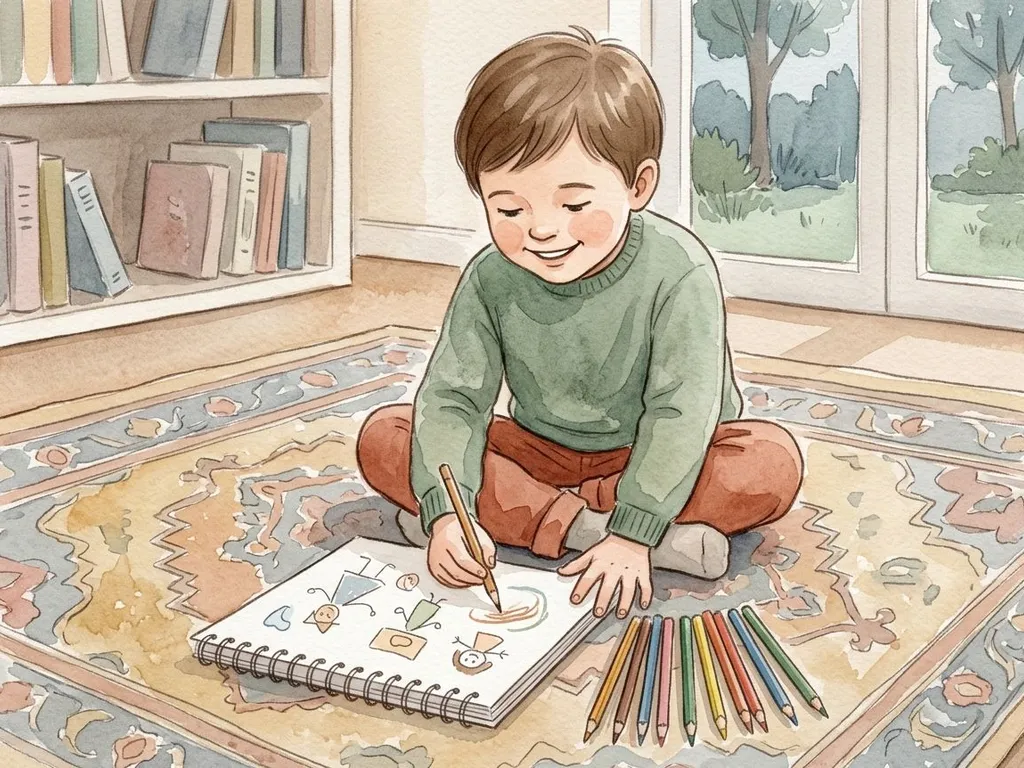
Not every repeat helps. Copying a sentence twenty times may keep a child busy, but it rarely builds flexible speech. Strong repetition asks the child to make small choices: choose the right word, change one part of a sentence, answer with their own idea, or use the phrase in a game.
Practice makes perfect: why repetition is important for kids learning English should not mean “repeat until the child is bored.” It means repeat with purpose. The table below shows what families can watch for at home.
How to Use This at Home
Home practice works best when it is predictable. Choose one small language target from the lesson: five animal words, one question form, or one sound such as “th.” Use it for a few minutes during a normal part of the day. A child can practise “Can I have…?” while setting the table, not only with a workbook.
Keep the steps simple. First, model the phrase. Then let your child choose from two answers. Next, ask them to say the phrase with a new word. Finally, invite a tiny free answer. For example: “I like bananas. Do you like bananas? Do you like apples? What fruit do you like?”
Practice makes perfect: why repetition is important for kids learning English is about timing. Return to the same English before it disappears fully. A practical rhythm is same day, next day, later in the week, and the following week. Review can be a car question, a two-minute drawing game, or a quick voice message to a grandparent.
Five-minute Home Review
Choose one phrase from the lesson, such as “I can see…” Ask your child to name three things in the room: “I can see a chair,” “I can see a bag,” “I can see a book.” Then swap roles. Make one funny mistake, such as “I can see a pizza” when there is no pizza, and let your child correct you.
Examples by Age
For school-age kids, repetition should feel like play. Use songs, actions, picture cards, toys, and short choices. A young child may repeat “jump,” “run,” and “sleep” several times if a toy performs the actions. Keep turns short and stop while the child still has energy.
For school-age kids, children can handle simple patterns and early reading. They may enjoy word hunts, sentence frames, memory games, and drawing tasks. A 7-year-old can practise “There is…” by drawing a silly room and saying, “There is a bed. There is a snake. There is a cake on the bed.”
For school-age kids, repetition should respect growing independence. Older children can use spaced flashcards, short summaries, role-play, and self-check lists. They may prepare for school tests or external exams, but general English still needs broad practice: listening, speaking, reading, writing, and clear feedback over time.
Practical Activities That Do Not Feel Like Drills
Use “same frame, new idea.” Keep one sentence frame and change the content. With younger children, try “I want…” plus food, toys, or colours. With older learners, try “I agree because…” or “I would choose…” The grammar repeats, but the child still has something real to say.
Use “listen, find, say.” Say a word or phrase, ask your child to find a matching object or picture, and then ask them to say the word in a short sentence. This works for household items, clothes, animals, school objects, and feelings.
Practice makes perfect: why repetition is important for kids learning English becomes easier when families vary the channel. A child can hear a phrase in a song, say it in a game, read it on a card, and write it in one sentence. Variety keeps attention alive while the language repeats.
Change One Word
Start with this sentence: “I go to school on Monday.” Ask your child to change one word each time: “I go to school on Tuesday,” “I go to the park on Tuesday,” “We go to the park on Tuesday.” Older children can write three new versions and say which one is true for them.
How Much Repetition Is Enough?
There is no single number for every child. Age, attention, sleep, stress, home language, and lesson frequency matter. A child who already speaks two languages may grasp grammar quickly but still need repeated chances to pronounce new sounds with ease.
A practical sign is transfer. If your child can use a word only on the worksheet, more practice is needed. If they can use it while playing, answering a new question, or talking about their own life, the English is becoming stronger.
Watch for fatigue. If answers slow down, posture drops, or small mistakes increase, end the practice or change the task. Repetition should build fluency, not a fight. A calm two-minute review after dinner beats a long session that ends with tears.
How Online Lessons Can Support Repetition
In one-to-one online lessons, repetition can be adjusted closely. A tutor can see whether a child needs another listening model, a visual prompt, a slower question, or a harder challenge. This matters because children of the same age can be at different English levels.
Across LearnLink lessons for ages 4-15, tutors can bring target language back in warm-ups, games, reading, speaking tasks, and review. The child hears familiar English from a steady adult, then uses it in new contexts. That balance helps repetition feel safe rather than dull.
Families can share what feels hard after a lesson: a sound, a question form, reading speed, or speaking confidence. Then home practice and lesson practice point in the same direction. Practice makes perfect: why repetition is important for kids learning English works best when school, lesson, and home review do not compete.
For the rule wording, Wikipedia — English Grammar is a useful reference while the practice examples here stay adapted for children.
Frequently Asked Questions
How Often Should My Child Repeat New English Words?
Short review several times a week usually beats one long session. Try the same day as the lesson, the next day, later in the week, and once more the following week. Keep it light: three to ten minutes, depending on age and mood. The goal is confident recall, not perfect performance every time.
What If My Child Gets Bored with Repetition?
Change the task, not the language target. If the target is “I can…,” use actions first, then pictures, then a guessing game, then a short written sentence. Children often resist repetition when it looks identical each time. They usually accept it when the setting, role, or challenge changes.
Should I Correct Every Mistake?
No. Choose the mistake that matters most for the task. If your child is practising “Can I have…?” and says “Can I has…,” give a clear model: “Can I have a pencil?” Then let them try again. If you stop every sentence, children often speak less. Fluency and accuracy need turns to grow.
Does Repetition Help with Cambridge or School Exam Preparation?
Yes, but it should not be narrow drilling only. Exams often test whether a child can recognise, understand, and use English across tasks. Repetition can help with instructions, question types, vocabulary, and sentence patterns. LearnLink teaches general English for children ages 4-15; families thinking about exams should treat exam practice as one part of a wider language plan.
Why Is Practice Makes Perfect: Why Repetition Is Important for Kids Learning English Relevant for Multilingual Children?
Multilingual children may already have strong language-learning skills, but English still needs repeated contact. They may understand a new word quickly because they can compare it with another language, yet pronunciation, spelling, and natural word order still need practice. Repetition gives them enough chances to make English feel usable, not just understood.
Want to see how these ideas work in a real lesson — try a free LearnLink lesson.
Stay updated on our latest tips and resources by following us on Instagram LearnLink.