Words to Skip to My Lou for Kids
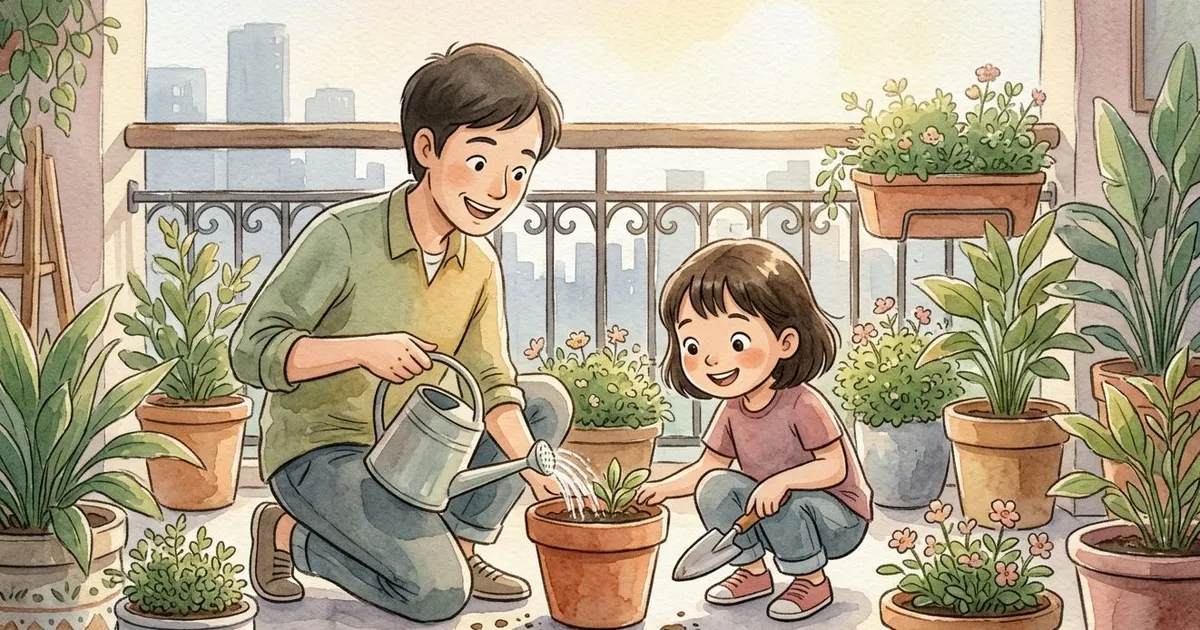
Teach 30 practical song words in three groups: actions, people, turn-taking phrases. “Skip to My Lou” is a traditional children’s song and dance game, so words to skip to my lou for kids need movement, partner choice, line repetition, playful speaking. Start with verbs: skip, clap, turn. Add phrases: your turn, come with me. Repeated rhythm makes meaning visible through action.
Why This Song Vocabulary Helps Children
Song vocabulary works because learners hear repeated words without worksheet pressure. In “Skip to My Lou,” one repeated line gives young learners a safe joining point. A child may sing only “loo, loo, skip to my loo” first. That still builds listening and pronunciation practice.
School-age kids can handle fuller language work. They notice verbs such as skip, clap, dance, turn, and choose. They learn social phrases such as my partner, your turn, and come with me. So words to skip to my lou for kids become more than a song list: they become a speaking routine.
Across LearnLink lessons, tutors use songs as quick warm-ups or memory anchors. In online English lessons for kids, a familiar song can ease pressure before speaking, especially for learners new to online study.
A Kid-Friendly Word List
Start with words your child can act out. Movement gives each word a body, helping memory. Say the word, show the action, then invite copying. Three well-taught words beat twenty rushed ones.
Here are 30 words and phrases connected to the song:
When teaching words to skip to my lou for kids, do not worry if your child says only part of a phrase. “My turn” may come before “It is my turn.” Short, correct chunks give children ready-made language for games, lessons, daily routines.
What the Song Phrases Mean
Adults may pause at “lou” because it does not look like normal classroom English. Children need no history lesson before movement. Treat “lou” as a repeated song sound. Practical meaning: move with the song and join the game.
“Skip to my lou” can mean “skip with me” or “come and dance in the game.” With young children, use action: point to yourself, skip two steps, invite copying. With an older learner, add that old songs can keep words or sounds people no longer use in daily speech.
Older learners can compare song language with normal speech. We do not say “Skip to my lou” when inviting someone to play. We might say, “Come with me,” “Join us,” or “It’s your turn.” Children can respect the song while learning English they can use today.
How to Teach the Words by Age
A pre-school age learner needs sound, action, repetition. Choose five words: skip, clap, turn, friend, and again. Say each word with movement, then sing one short song part. Stop before tiredness arrives.
A school-age child can handle short phrases. Use “skip with me,” “your turn,” “choose a partner,” and “go around.” Ask questions: “Who is your partner?” “Do we go fast or slow?” Children often enjoy leading one round.
An older school-age learner may dislike acting like a small child, so add structure. Ask for vocabulary sorting: verbs, nouns, phrases. They can rewrite the song as a modern playground chant. Words to skip to my lou for kids still work when the task respects their age.
Simple Practice Games at Home
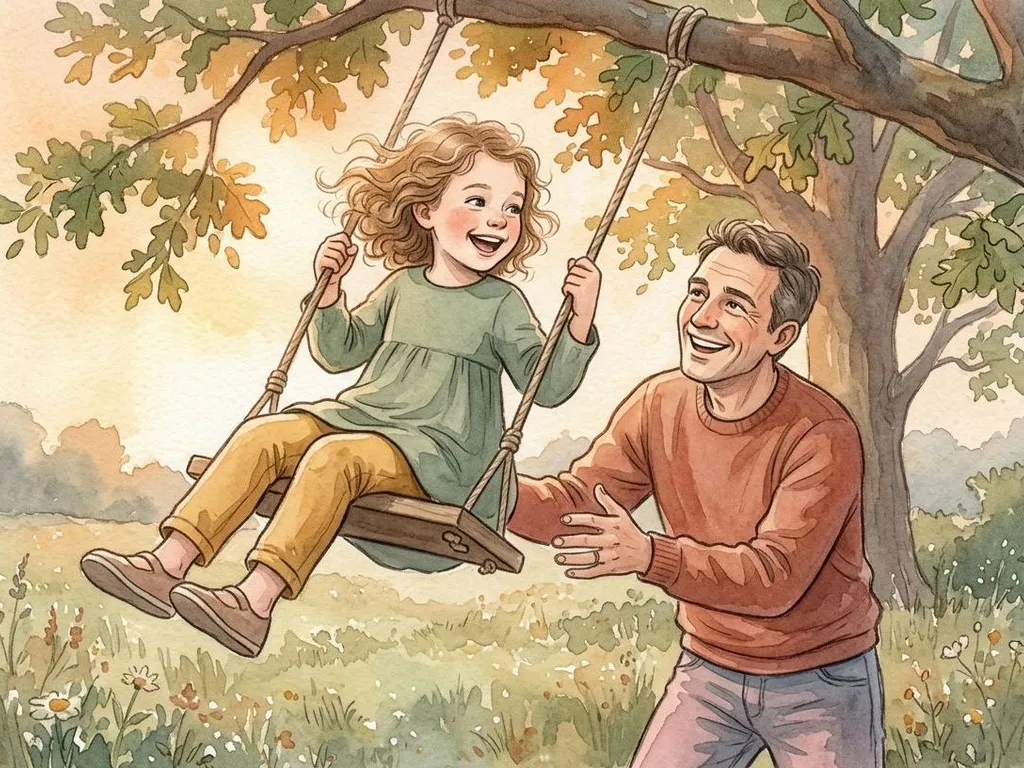
Home practice should stay short and repeatable. You need no full lesson plan. Use two minutes before dinner or five minutes after school. Repeat the same words for several days, then add one or two new ones.
Try a “say and move” round. Say, “skip,” and your child skips. Say, “turn,” and your child turns. Then switch roles. Commands make your child speak with purpose, not just listen.
Practice: Build a Song Round
Choose four words from the list: one movement, one person word, one speed word, and one turn-taking phrase. For example: “skip,” “friend,” “slow,” and “my turn.” Sing or chant one line, then act it out. Change one word each round so your child hears the same frame with new vocabulary.
For children who like drawing, make small action cards. One card says clap, another says jump, another says turn. Your child picks a card and makes a sentence: “I can clap,” “We can jump,” or “My friend can turn.” This turns words to skip to my lou for kids into sentence practice.
Common Mistakes to Avoid
Do not start with long song history. Most children need room-level meaning first: movement, people, turn-taking, repeated sound. History can wait until your child asks.
Do not correct every pronunciation slip during singing. Songs need flow. If your child says “ship” for “skip,” model next round: “Yes, skip. Let’s skip slowly.” Correction works better when the game stays alive.
Avoid turning the song into a performance. Some children love loud singing. Others prefer whispering, tapping the beat, or saying words without music. A quiet child may still learn well. Watch attention, recall, willingness to try again.
How to Build Speaking from the Song
After your child knows the core words, move from song lines into daily English. “Your turn” works in board games. “Come here” works when setting the table. “Go around” works with toys, chairs, or a ball. Vocabulary becomes practical here.
Use small sentence frames. For younger children, try “I can skip,” “I can clap,” and “I can turn.” For older children, try “I choose my partner,” “We go around the circle,” and “The music is fast.” These sentences build grammar through use.
If your child already speaks two or three languages, connect the idea lightly. Ask, “How do we say ‘your turn’ in our other language?” Then return to English. This respects the child’s full language world and keeps English direct.
- Sing words to skip to my lou for kids twice with clear gestures.
- Pause after each line and let your child complete one missing word.
- Use three picture cards to practice friend, partner, and goodbye phrases.
- Ask one simple question after singing, then model a full answer.
- Repeat the song tomorrow, adding one new speaking sentence each time.
When a word has several meanings or pronunciations, Cambridge Dictionary is a useful check before turning it into child-friendly examples.
Frequently Asked Questions
What Does “Skip to My Lou” Mean for Children Learning English?
For English learners, it is a playful song line used in a movement game. Children do not need this phrase in normal conversation. They can learn practical words around it: skip, turn, partner, your turn, and again. These words act out easily and can move into daily speech.
How Many Words Should Our Tutors Teach from the Song at One Time?
For a young beginner, teach three to five words in one sitting. For a school-age child, eight to ten words can work when grouped by action or meaning. Older children can handle a longer list, but they still need examples. Words to skip to my lou for kids become easier to remember when each word is spoken, heard, and used in a small task.
Is This Song Too Old-fashioned for Modern English Lessons?
No, when used with care. Some song language sounds old-fashioned, but the actions and classroom phrases still help. Treat unusual words as song parts, then teach modern phrases beside them. After singing “skip to my lou,” practise “come with me,” “join us,” and “it’s your turn.”
What If My Child Does Not Like Singing?
Use the vocabulary without music. Your child can tap the beat, read action cards, give commands, or move small toys around a circle. Some children need time before singing in another language. The aim is not a perfect song. The aim is listening, confident speaking, steady word recall.
Use the song as a short teaching tool, not a full lesson. 1. Start with five action words and practise them with movement. 2. Add two social phrases, such as “your turn” and “come with me.” 3. Practise one sentence after the song so words to skip to my lou for kids move into real speech.
If your child needs steady speaking practice, start small — choose a trial lesson.
Stay updated on our latest tips and resources by following us on Instagram LearnLink.