
 blog
blog
Storytelling in English for Kids
Help your child tell stories in English without mistakes. Learn past-tense rules, sequence words, common errors and 3 practice exercises for kids.
Wh-Questions for Kids: A Step-by-Step Guide
Teach kids 5 Wh-words (who, what, where, when, why) plus yes/no questions with simple rules, real examples, and practice activities for ages 6-12.
How to Compare: Teaching Kids -er and -est Words
Teach kids to compare objects! 🚀 Learn how to use -er and -est endings for words like bigger, faster, and best. Fun examples for all ages! ✨🧠

Relative Clauses for Teens: Who, Which, That
Combine two sentences using who, which, that, and whose. When commas are needed, when you can drop the pronoun, plus 15 example pairs.

Action Verbs for Kids: 12 Movement Games
Teach kids action verbs through 12 movement games: run, jump, climb, dance, throw, catch. Vocabulary lists and lesson plans for ages 4-10.
Colons, Semicolons, and Dashes for Young Writers
Colons for lists, semicolons for related ideas, dashes for emphasis: 3 punctuation marks with 15 example sentences and edit-it exercises for ages 9-14.
Parallel Structure for Families
Parallel structure for families helps children write clearer lists, reasons, and school answers with simple at-home grammar practice.
Boost Your Bio: Use Relative Clauses for Stronger Descriptions
The boy who won the race shows relative pronoun who for people. Get 12 bio examples, comma rules, and a free printable for ages 12-16.
Digital ESL Escape Room Guide
Use the digital ESL escape room guide to help children solve mysteries and learn English — covering all ages, levels, and four core language skills.

Multimodal Literacy for Kids
Multimodal literacy helps children build English through books, images, sound, movement, and digital tasks with simple guided practice at home.

Daily Routines as English Lessons
Daily routines can become English lessons for kids with simple phrases, repetition, real actions, and age-friendly grammar practice at home.
Transforming English Learning With Stories
Learn how transforming English learning through playful stories helps children ages 4–15 retain vocabulary faster. Practical tips for parents and teachers.

Unlock Adjective Power Comparisons Superlatives
Help your child unlock adjective power comparisons superlatives with our easy guide. Find clear rules, examples, and interactive exercises for kids.

Sentence Building Games for Kids
Six hands-on sentence building games for kids, a subject-verb-object table, compound sentences with and/but, common mistakes, and age milestones.
Lost in Words? Master English Prepositions!
Teach kids prepositions like in, on, at, under, into, through. Spatial diagrams, time prepositions, and 30 practice sentences for ages 6-12.
Modal Verbs for Kids: Easy Guide
Teach kids modal verbs (can, must, should, may) with clear rules, simple examples, common mistakes to avoid, and fun practice activities for home.

How to Tell Time in English for Kids
A clear guide for parents on how to tell time in English for kids. Step-by-step methods, real examples, common mistakes, and simple tips to teach your child.

How to Teach Irregular Verbs
How to teach irregular verbs with simple patterns, short practice, games, and gentle correction so children use past forms confidently.

Adjectives for Kids
Adjectives for Kids made simple: 7 categories, clear examples, and a free printable word-card PDF to build vocabulary and writing confidence.

Question Types in English for Kids: A Guide
Yes/no, wh-, tag, alternative, indirect: 5 question types kids need with example sentences, word order rules, and exercises for ages 6-12.
Possessive Adjectives and Pronouns for Kids
Teach kids my/mine, your/yours, his, her, its, our/ours, their/theirs. Side-by-side table, 18 example sentences, and a practice quiz.

Present Continuous Tense for Kids
Teach the present continuous to kids 4-15: the am, is, are + -ing rule, clear examples, common mistakes, and three exercises that make it stick.

Verb To Be In English for Kids A Parent's Guide
A complete guide for parents on teaching the verb to be in English (am, is, are, was, were) to kids. Includes rules, examples, and common mistakes.
Teaching Irregular Plural Nouns
Teaching irregular plural nouns to kids with simple rules, common examples, age-based tips, and quick games parents can use at home.

Top 12 English Podcasts to Learn English for kids in 2025
Explore 12 English podcasts for kids ages 4-12. Get details on episode lengths, US/UK accents, age ranges, topics, and free listening options for 2025.
Present Simple vs. Present Continuous: Key Differences
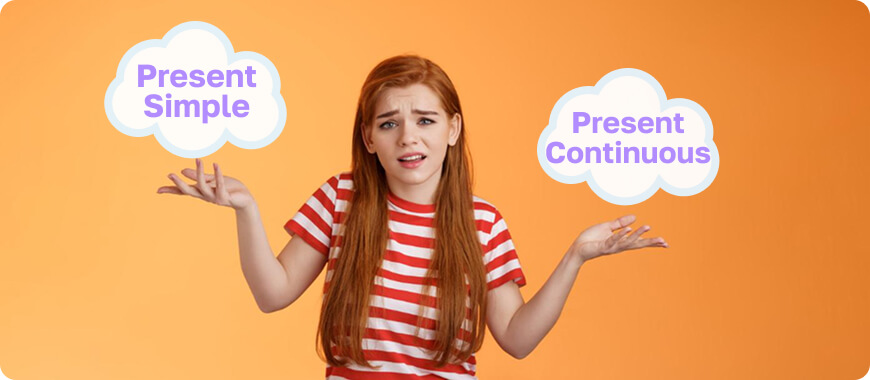
Present Simple vs. Present Continuous: Key Differences for kids, with rules, signal words, and 20 clear examples parents can practice at home.

Articles in English a an the Easy Rules For
Master articles in english a an the easy rules for children. Learn simple, kid-friendly grammar tips, practical examples, and fun activities for home learning.

Past Simple Tense for Kids: A Teacher's Step-by-Step Guide (Ages 5-12)
How to teach the past simple to kids: a clear 4-step method, the 10 verbs to learn first, 5 games that actually work, and the mistakes every ESL parent makes.

10 Active Listening Activities for Kids
10 active listening activities for kids ages 4-12: story dictation, audio scavenger hunts, podcast tasks, and call-and-response games with audio prompts.

How to Raise a Bilingual Child: Tips for Expat Parents
8 strategies expat parents use to raise bilingual kids in Spain: home language rules, weekend schools, English books, screen-time mix, and play groups.



