How to Use Into in Sentences for Kids
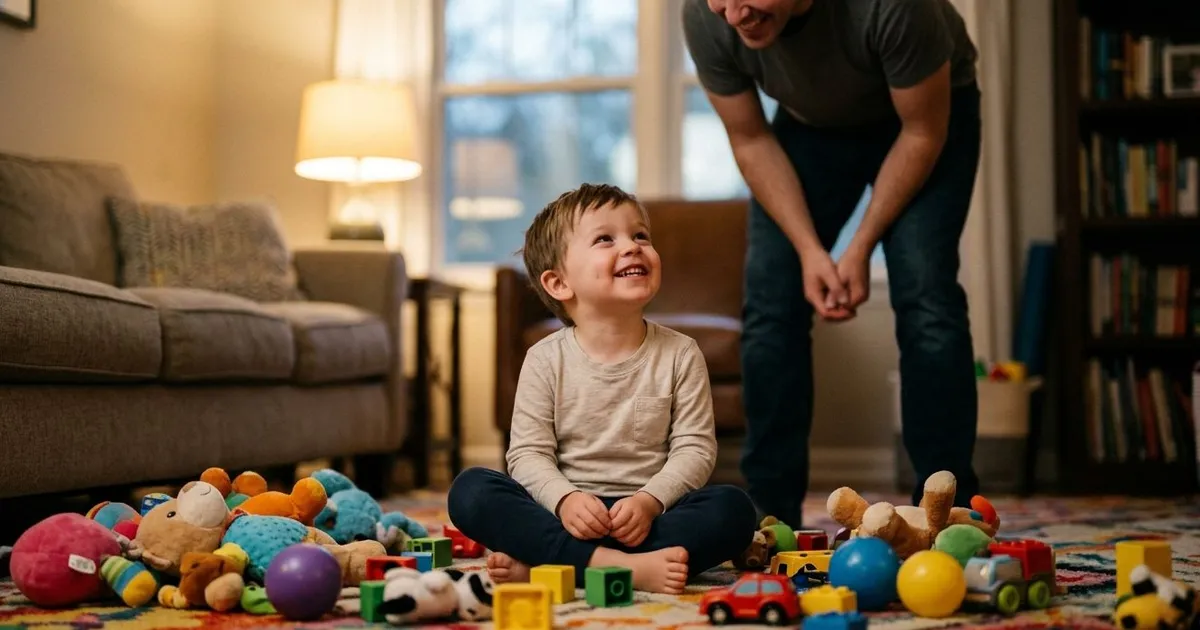
Sentences using into for kids teach two meanings: movement from outside to inside, and change from one state to another. “The cat jumps into the box” shows entry. “Water turns into ice” shows change. Children meet this word during play, stories, classroom routines, cooking, sport, and family life. Into answers “where to?” or “what does it become?” For younger children, it starts with toys and actions. For older children, it supports writing about change, feelings, science, and stories.
📥 Into Action Practice Cards
Movement phrases and sentence starters for learning how to use “into” correctly.
Leave your email — we'll send the PDF to your inbox.No spam — the PDF plus one short reminder. Unsubscribe anytime.
Why Children Need “Into”
Children use “into” for movement. A ball rolls into the goal. A child puts crayons into a box. A bird flies into a tree. These visible actions make the word easy to teach with home objects or an online lesson. For parents, sentences using into for kids work best in short, visual practice: three objects, five examples, one quick repeat.
They also need “into” for change. Snow melts into water. A quiet idea grows into a story. A small seed turns into a plant. This meaning helps older children write stronger science, story, and school sentences.
For parents searching for sentences using into for kids, skip the long grammar rule. Start with five or six real actions your child can see, say, and repeat.
Simple Rule for Using “Into”
Use “into” when something moves from outside to inside a place. The hand goes into the bag. The spoon goes into the cup. The children walk into the classroom. The word shows direction, not location.
Compare: “The toy is in the box” and “Put the toy into the box.” “In” tells where the toy sits now. “Into” tells where the toy goes. This difference matters because children often learn “in” first and overuse it.
In LearnLink lessons, tutors keep the rule short, then move straight to examples. Children learn faster when the word connects to a hand action, picture, short story, or choice game.
Word List: 30 Sentences Using “Into”
This list gives parents ready sentences using into for kids, from daily actions to school-age ideas. Read them aloud first. Then ask your child to act, draw, or change one word in each sentence.
For younger kids, choose toys, food, and animals. For school-age kids, add classroom and story sentences. For older kids, use “into” for change, projects, feelings, and cause-effect writing.
- The ball rolls into the box.
- The cat jumps into the basket.
- Put the blocks into the bag.
- The fish swims into the cave.
- The bird flies into the tree.
- Pour the milk into the cup.
- Drop the coin into the jar.
- The rabbit hops into the garden.
- The children walk into the room.
- She puts her book into her backpack.
- He throws the paper into the bin.
- The dog runs into the kitchen.
- The car drives into the garage.
- The baby crawls into the tent.
- The spoon falls into the bowl.
- The boy dives into the pool.
- The girl steps into her boots.
- The teacher comes into the classroom.
- The sun goes down into the sea in the picture.
- The snow turns into water.
- The seed grows into a plant.
- The caterpillar turns into a butterfly.
- The dough bakes into bread.
- The quiet class turns into a noisy one.
- The small idea grows into a long story.
- The rain changes into snow.
- The team gets into the final game.
- He looks into the box to find his toy.
- She changes the notes into a song.
- The old shirt turns into a cleaning cloth.
How to Teach “Into” at Home
Start with three objects: a box, a cup, and a bag. Give the child one sentence and do the action: “I put the spoon into the cup.” Then hand over the object for your child to copy. Keep the pace quick. Children need use before grammar labels.
Next, ask choice questions. “Does the pencil go into the bag or under the bag?” “Did the toy fall into the box or next to the box?” Your child hears “into” beside “in,” “on,” “under,” and “behind.”
For older children, ask for longer answers. “The seed grows into a plant because it gets water and light.” “The small problem turns into a big problem when no one talks about it.” These sentences using into for kids build grammar and thinking together.
Practice: Move It, Say It, Change It
Choose five small items. Ask your child to put each item into a different place and say the sentence aloud: “I put the car into the box.” Then change the sentence: “The car goes into the box,” “The red car goes into the big box,” or “The car fell into the box by accident.”
Common Mistakes with “In” and “Into”
The main mistake is using “in” for movement. “She walked in the room” can mean she walked around inside it. “She walked into the room” means she entered. Clear pairs help the difference feel natural.
Another mistake is using “into” when nothing moves or changes. “The apple is into the bowl” is wrong. Say, “The apple is in the bowl.” If the child places it there, say, “She puts the apple into the bowl.”
Keep correction short. Repeat the child’s sentence correctly, then add one example: “Yes, the toy is in the box. You put it into the box.” This protects confidence and gives the ear a clean model.
Games and Lesson Ideas by Age
For younger kids, use action games. Say, “Jump into the circle,” “Put the bear into bed,” or “Drop the button into the cup.” Young children learn through touch, sight, and movement, so each sentence should match an action.
For school-age kids, use picture cards and story chains. Show a picture and ask, “What goes into the school bag?” or “Who runs into the shop?” Then add a reason: “The boy runs into the shop because it starts raining.”
For older kids, connect “into” to change and school subjects. In science, “water freezes into ice.” In writing, “a clue turns into an idea.” In daily life, “practice turns into skill over time.” Sentences using into for kids should grow with the child.
How LearnLink Tutors Practise It During Lessons
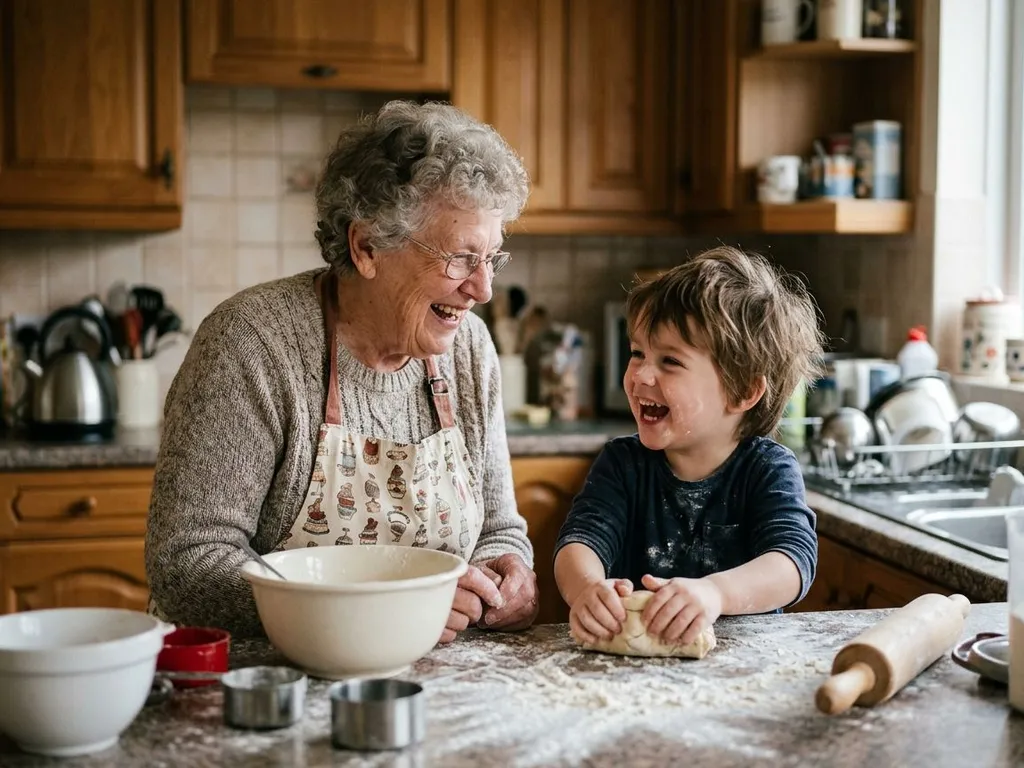
Across LearnLink lessons, tutors move from listening to speaking, then to short writing. A younger child may hear “Put the star into the bag” and act it out. An older child may write three sentences about how one thing changes into another.
Tutors check nearby words too. “In,” “inside,” “to,” and “into” look small, but they change meaning. A child who can choose between them gains control in stories, instructions, and school answers.
For a parent, the useful measure is fresh use, not rule naming: “The rain turned into snow,” “I put my homework into my folder,” or “The joke turned into a story.”
- Try five toy-box sentences using into with your child today.
- Practice moving three objects into cups, bags, and boxes.
- Read one picture book and spot every into sentence.
- Use into in bedtime questions for ages five to eight.
- Repeat each sentence twice, then let your child change it.
When a word has several meanings or pronunciations, Cambridge Dictionary is a useful check before turning it into child-friendly examples.
Frequently Asked Questions
What Is the Easiest Way to Explain “Into” to a Child?
Tell the child that “into” means something goes from outside to inside, or changes and becomes something new. Use real objects first: “Put the toy into the box.” Then use change sentences: “Ice turns into water.” Keep the rule short and repeat it through action, pictures, and choices.
At What Age Should Children Learn Sentences with “Into”?
Children can understand basic “into” sentences from early childhood, especially with actions like “jump into the pool” or “put it into the bag.” Older children can use it for change, such as “the seed grows into a plant.” LearnLink teaches English for ages 4-15, so examples match each child’s level.
How Many Examples Should We Practise in One Sitting?
For younger children, five to eight examples are enough when they include movement and play. For school-age children, ten short sentences work with drawing or picture cards. Older children can practise fewer sentences and make them longer. Quality matters more than copying a long list.
Why Does My Child Say “In” Instead of “Into”?
“In” often comes first because it names a place: “The toy is in the box.” “Into” adds movement: “Put the toy into the box.” If your child uses “in,” answer with the correct model instead of a long correction. A steady set of sentences using into for kids helps the difference become natural. Keep sentences using into for kids playful, short, and tied to real action.
A short one-to-one lesson can show what level and pace fit your child — book a free English lesson.
Stay updated on our latest tips and resources by following us on Instagram LearnLink.